How Personalization Is Changing Routine Facial Waxing
Customized hair removal treats facial waxing as an individual service shaped by skin condition, hair-growth patterns, grooming goals, and personal comfort.
This approach reflects a wider change in service businesses. People increasingly expect professionals to adapt an experience to their needs instead of applying the same process to every client. In facial waxing, thoughtful customization can influence which areas are treated, how brows are shaped, whether the skin is ready, and what aftercare makes sense.
The result is a more informed beauty service in which consultation and communication matter as much as the wax itself.
What Can Be Customized in Facial Waxing?
Facial hair grows differently across the brows, upper lip, chin, and cheeks. Density, coarseness, direction, and visibility can vary significantly, even across a single area.
Customization may involve:
- Selecting one facial area or combining multiple areas
- Preserving or refining the natural brow shape
- Adjusting the service around sensitive sections of skin
- Considering medications and active skincare products
- Planning around recent sun exposure or cosmetic treatments
- Discussing previous reactions to wax or aftercare products
- Choosing aftercare according to the client’s routine
These are practical decisions rather than unnecessary extras. They help the professional understand the client’s desired result while identifying factors that may make waxing unsuitable on a particular day.
The Consultation Functions as a Safety Screen
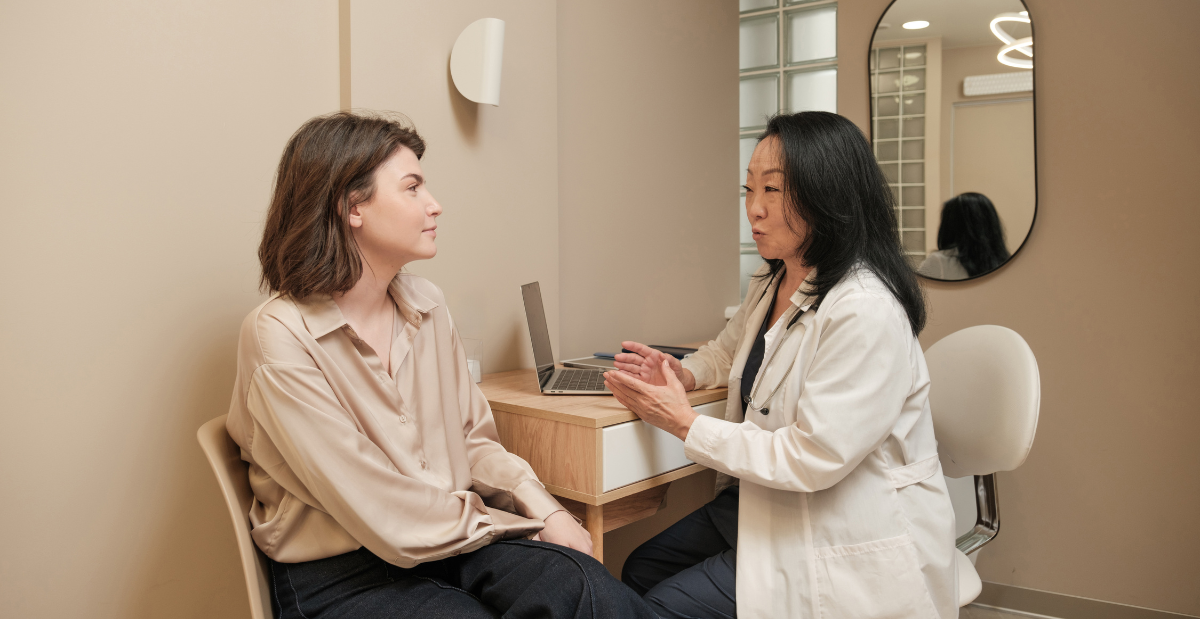
A brief conversation before waxing can reveal information that is not visible from the surface. A client may use a retinoid, have recently completed a peel, or be taking medication that affects skin sensitivity.
The American Academy of Dermatology’s waxing guidance advises against waxing sunburned or highly sensitive skin. It also warns that people taking isotretinoin, or those who have taken it within the previous six months, should not wax. Retinoid creams should generally be avoided for several days before facial waxing, although questions about prescribed products should be directed to the prescribing healthcare professional.
Information Worth Sharing With the Provider
- Prescription acne or skin treatments
- Retinol and other vitamin A products
- Exfoliating acids, scrubs, or resurfacing products
- Recent facials, peels, or similar cosmetic treatments
- Sunburn, irritation, cuts, or inflamed blemishes
- Known allergies to fragrances, preservatives, or adhesives
- A history of prolonged redness or ingrown hairs
Clients sometimes omit this information because a product feels unrelated to hair removal. In reality, skincare that changes surface-cell turnover or increases sensitivity can affect how the skin responds to waxing.
Brow Waxing Is a Design Service
Brow trends can provide inspiration, but they should not replace an assessment of the client’s natural features. A shape that looks balanced on one person may appear too thin, angular, or rounded on another.
A personalized brow service can consider the natural starting point, facial proportions, hair density, preferred makeup routine, and how frequently the client wants maintenance. The professional can then remove selected hairs while preserving enough fullness to support the intended shape.
This measured approach is particularly helpful when brows are uneven or recovering from previous over-removal. Creating balance does not always require making both brows identical. Natural differences in the brow bone and hair growth may call for subtle adjustments rather than aggressive removal.
Why Hard Wax May Be Used on the Face
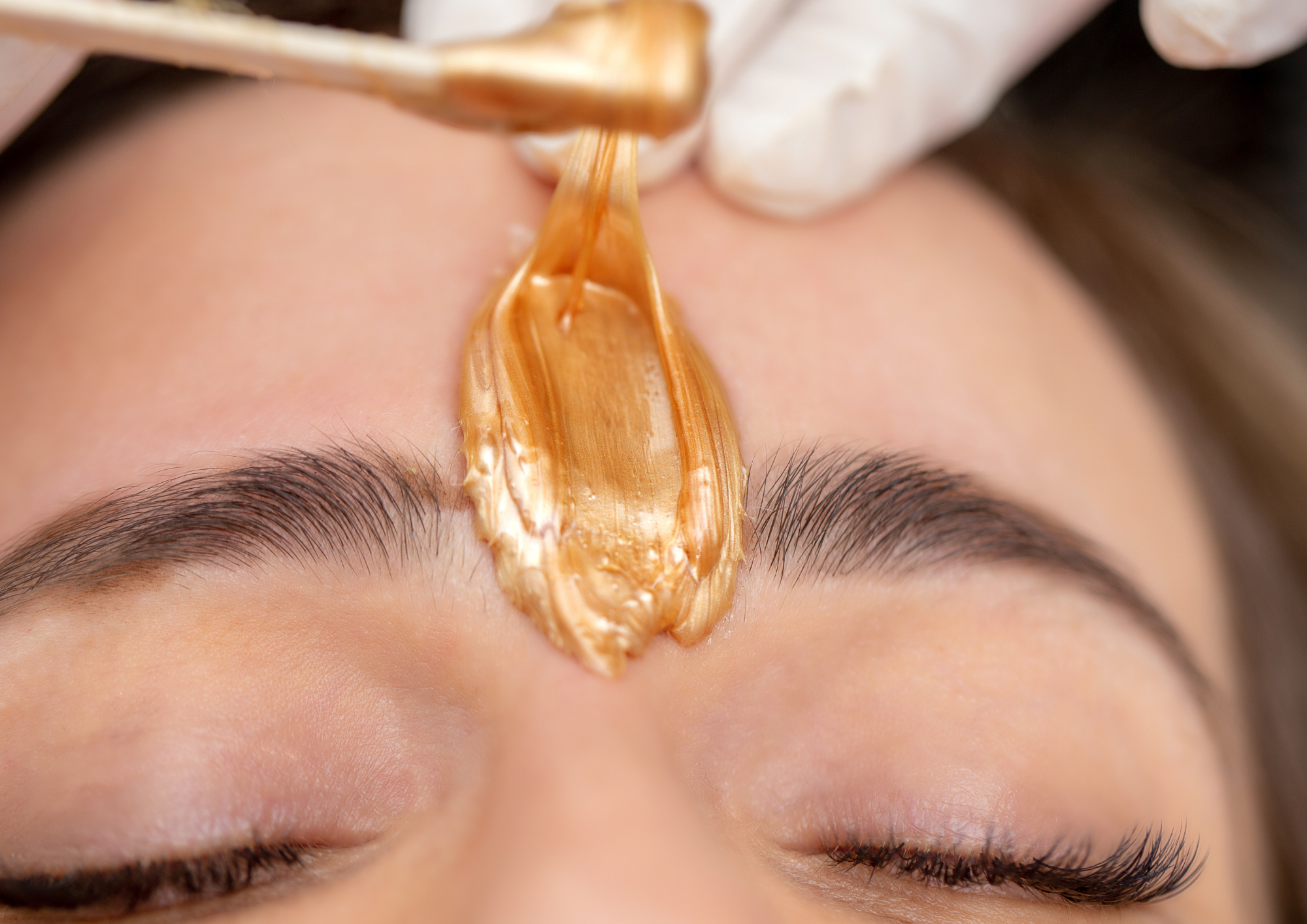
Wax products and techniques vary. Hard wax is applied to the treatment area and removed after it sets, without a separate fabric strip. A provider may choose it for targeted facial areas, but the product alone does not determine the quality of the service.
Temperature, application direction, section size, skin support, and the condition of the treatment area all matter. The provider should also avoid repeatedly waxing the same sensitive section simply to capture every fine hair.
Clients should not assume that “gentle” means a reaction is impossible. Skin sensitivity varies, and even a familiar product can occasionally cause irritation.
Product Transparency Supports Better Decisions
Waxing often involves more than wax. Cleansers, powders, oils, soothing products, and moisturizers may also touch the skin. Clients with allergies or a history of contact dermatitis should ask what products will be used.
The U.S. Food and Drug Administration identifies fragrances, preservatives, dyes, metals, and natural rubber among common classes of cosmetic allergens. The agency also explains that terms such as “hypoallergenic” do not have a standardized federal definition that guarantees a product will not cause a reaction.
Ingredient awareness is therefore a more useful strategy than relying on marketing language. A client who knows a specific ingredient has caused trouble before should disclose it before the service begins.
Preparing for Facial Waxing
Good preparation reduces avoidable variables and gives the provider a clear view of the skin.
- Review your skincare. Identify retinoids, acids, scrubs, and prescription products before the visit.
- Inspect the area. Postpone waxing if the skin is sunburned, broken, or actively irritated.
- Avoid last-minute experimentation. Do not introduce an aggressive exfoliant immediately before waxing.
- Arrive with clean skin. Unless the salon provides different instructions, avoid heavy oils or layers of makeup over the treatment area.
- Plan for possible redness. First-time clients may prefer not to wax immediately before photographs or an important event.
- Communicate the desired result. Explain whether you want a minor cleanup, visible reshaping, or treatment of several facial areas.
Waxing should not be treated as a test of endurance. If the application feels excessively hot or the skin becomes unusually painful, the client should speak up immediately.
Aftercare Should Be Simple and Specific
Temporary pinkness or mild sensitivity can occur after facial waxing. The goal of aftercare is to minimize unnecessary heat, friction, and irritation while the skin settles.
- Use a cool compress if recommended by the provider
- Avoid picking or repeatedly touching the area
- Choose simple, non-comedogenic skincare
- Follow professional guidance before restarting exfoliation
- Protect exposed skin from excessive sun
- Keep makeup tools and pillowcases clean
The American Academy of Dermatology recommends avoiding hot baths or showers immediately after waxing and using a non-comedogenic moisturizer. Clients should follow the salon’s instructions for the specific area and contact a healthcare professional if they experience a concerning reaction.
Understanding Bumps and Ingrown Hairs
Waxing removes hair from the follicle, but that does not guarantee freedom from ingrown hairs. According to the Mayo Clinic, an ingrown hair develops when a removed hair grows back and curves into the skin. Waxing, shaving, and tweezing can all contribute.
Symptoms may include raised bumps, itching, burning, discoloration, or pus-filled spots. People with tightly curled hair can be more susceptible. Aggressive picking may increase irritation and the likelihood of marks, so recurring or persistent ingrown hairs deserve professional guidance.
Hair removal can also damage follicles and contribute to folliculitis. The American Academy of Dermatology describes folliculitis as inflammation or infection involving hair follicles. It may resemble an acne breakout and can feel itchy or painful. A dermatologist can determine the cause when symptoms persist, spread, or repeatedly return.
Hygiene and Professional Oversight Matter
Personalization should operate within consistent hygiene standards. Clean hands, sanitary tools, fresh applicators, and an orderly treatment space help protect clients regardless of the area being waxed.
The Centers for Disease Control and Prevention explains that workplace hand hygiene helps reduce the spread of germs. In Nevada, the Nevada State Board of Cosmetology provides licensing, inspection, education, and consumer-protection resources for cosmetology-related services.
Clients can ask how tools and work areas are prepared. A knowledgeable professional should be comfortable explaining the process and responding to reasonable hygiene or product questions.
A Practical Facial Waxing Menu
A Perfect Hue in Las Vegas offers facial waxing with gentle hard wax for areas such as the brows, upper lip, chin, or cheeks. Clients may choose one area or add another facial area to the service. The salon also offers brow staining and a bundle that combines staining with brow shaping.
This menu structure supports personalization without making the process confusing. A client can address one specific area, combine services for convenience, or coordinate brow color and shape as part of a broader beauty plan.
Customization Creates Better Service
Modern service innovation is not always about automation or new machinery. Sometimes it means improving how professionals gather information, explain options, and adapt a familiar service.
Facial waxing becomes more useful when it begins with the client’s actual skin, hair, preferences, and routine. That individualized approach creates clearer expectations and supports more responsible decisions before, during, and after the service. The objective is not simply removing hair. It is delivering a result that looks intentional and fits comfortably into everyday life.