Why the Right Contact Lenses Are About Fit, Not Hype
Contact lens fittings determine whether a lens works with your eye shape, prescription, tear film, visual priorities, and daily routine.
That may sound less glamorous than choosing a lens based on packaging or a trending color, but fit is what separates a contact you can comfortably wear from one you cannot wait to remove. Even two lenses with the same prescription power can feel and perform differently because of their material, diameter, base curve, design, and replacement schedule.
If I were reviewing contact lenses like beauty products, I would still put professional fit above every other feature. A lens may promise crisp vision, moisture, or a barely-there feel, but the best option is the one that behaves properly on your actual eyes.
Your Glasses Prescription Is Not Enough
Glasses sit in front of the eyes, while contact lenses rest directly on the cornea. That difference changes the measurements and clinical evaluation required.
A contact lens prescription may include:
- Lens power
- Base curve
- Diameter
- Material or manufacturer
- Brand or specific lens design
- Additional parameters for astigmatism or multifocal correction
- Issue and expiration dates
The U.S. Food and Drug Administration explains that a contact lens prescription contains details needed for a seller to fill it accurately. A glasses prescription cannot simply be entered into a website and converted into safe contact lenses without an appropriate examination and fitting.
What Happens During a Fitting?
A contact lens fitting usually begins with a comprehensive examination to assess vision and eye health. The eye doctor then considers which lens characteristics are most likely to suit the patient.
Depending on the type of lens, the process may include:
- Measuring the curvature of the cornea
- Evaluating the tear film and ocular surface
- Placing diagnostic lenses on the eyes
- Checking lens movement and position
- Testing vision while the lenses are worn
- Assessing comfort after the lenses have settled
- Teaching insertion, removal, cleaning, and storage
- Rechecking the eyes during follow-up
The National Eye Institute describes contact lenses as medical devices and notes that an eye doctor may place trial lenses on the eyes to evaluate fit and vision. The fitting is complete when the doctor is satisfied that the selected lenses provide an appropriate combination of eye health, vision, and comfort.
Daily or Monthly Is a Lifestyle Decision
Daily Disposable Lenses
Daily disposable contacts are worn once and discarded. There is no case to clean and no lens solution required for overnight storage. They can be convenient for occasional wear, travel, sports, or anyone who prefers a fresh pair each day.
The convenience comes with a firm rule: a daily disposable should not be saved for another day. Once removed, it belongs in the trash.
Reusable Lenses
Reusable contacts are removed, cleaned, disinfected, and stored before being worn again. Depending on the prescribed product, replacement may occur on a scheduled weekly or monthly basis.
These lenses can be practical for consistent wearers, but only if the cleaning routine fits their habits. Someone who knows they will skip steps should be honest during the fitting. A lens is not a good lifestyle match if its care requirements are unlikely to be followed.
Soft, Rigid, Scleral, or Hybrid?
Contact lens categories are more varied than the standard soft lenses displayed in most advertising.
Soft Contact Lenses
Soft contacts are flexible and are commonly used for nearsightedness, farsightedness, astigmatism, and presbyopia. Many people adapt to them quickly, and they are available in daily and reusable schedules.
Rigid Gas Permeable Lenses
Rigid gas permeable lenses hold their shape on the eye. They may provide particularly clear optics for some prescriptions or corneal conditions, although adaptation and care differ from those of soft lenses.
Scleral Lenses
Scleral lenses are larger gas permeable lenses that rest on the white part of the eye and vault over the cornea. They can be considered for keratoconus, irregular corneas, severe dry eye, corneal scarring, or situations in which conventional lenses do not provide adequate vision or comfort.
Because scleral lenses are highly customized, fitting may involve corneal topography, eye-surface mapping, diagnostic lenses, and several detailed measurements.
Hybrid Lenses
Hybrid contacts combine a rigid gas permeable center with a soft outer skirt. The design aims to combine crisp central optics with some of the initial comfort characteristics associated with soft lenses. Suitability still depends on individual findings.
Astigmatism Does Not Automatically Rule Out Contacts
Astigmatism occurs when the eye’s shape causes light to focus unevenly. Toric soft lenses are designed with different powers in different parts of the lens and must remain oriented correctly on the eye.
The fitting therefore involves more than matching a prescription number. The doctor evaluates how the lens rotates, settles, and maintains vision during blinking and normal movement.
People with unusually high or complex prescriptions may have options beyond standard inventory. Custom soft, gas permeable, hybrid, or scleral designs can sometimes address needs that conventional products do not.
Multifocal Contacts Require Priorities
After about age 40, many people begin to experience presbyopia, which makes near tasks more difficult. Multifocal contacts use more than one focusing power to support distance, intermediate, and near vision.
Another approach is monovision, in which one eye is corrected primarily for distance and the other for near. Some patients use a modified system that combines multifocal and monovision concepts.
No design creates a perfect version of every distance for every wearer. A good fitting considers which tasks matter most, such as driving, computer work, reading menus, applying makeup, or viewing a phone. Trial lenses and realistic feedback help refine the choice.
Colored Contacts Are Still Medical Devices
I understand the appeal of changing eye color for a photo, costume, or beauty look. Still, colored lenses should never be treated like false lashes or an over-the-counter accessory.
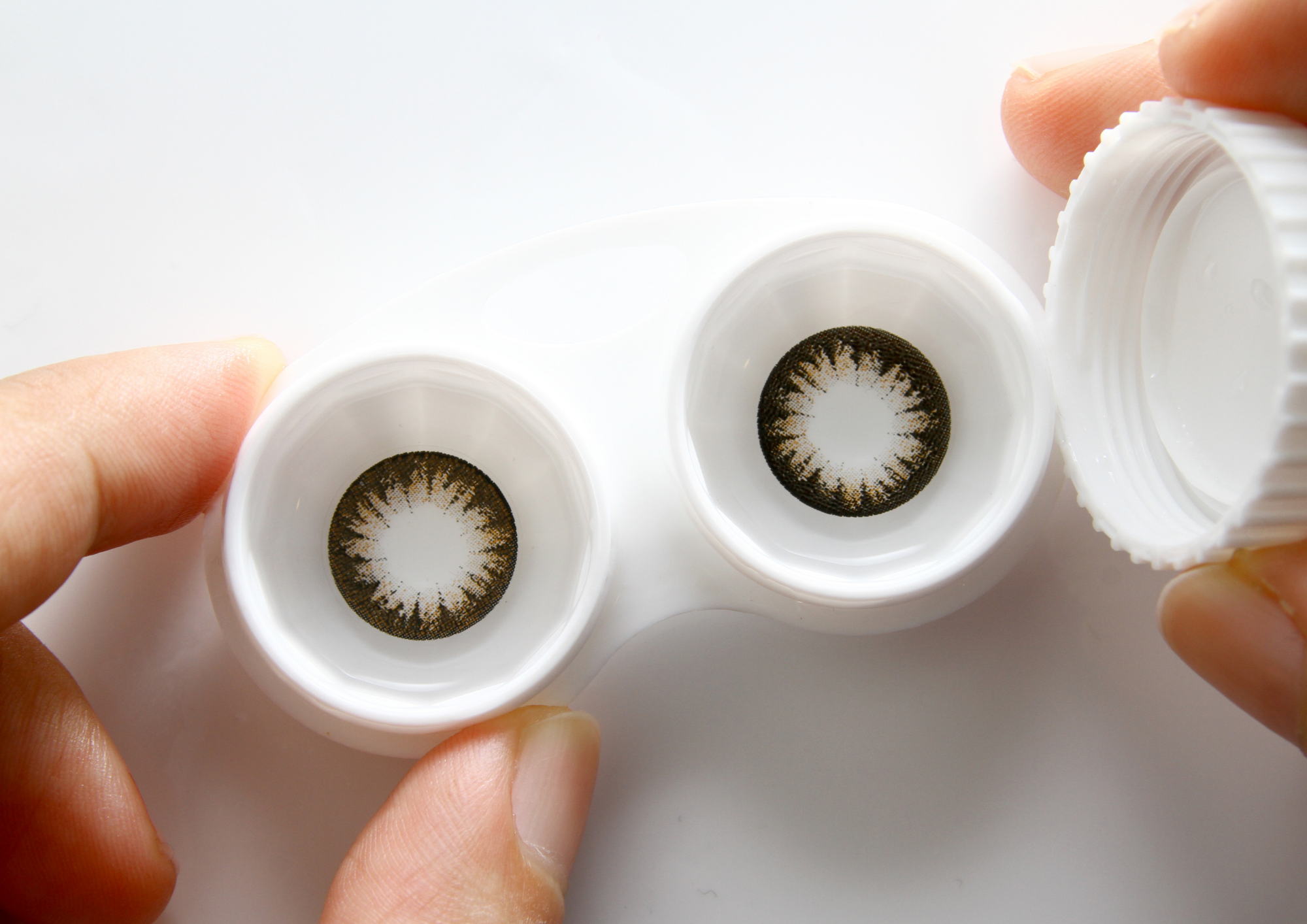
The FDA states that colored and decorative contacts require a prescription, even when they do not correct vision. Poorly fitted decorative lenses can scratch the cornea, contribute to infection, reduce vision, or cause more serious damage.
Buy colored lenses only from a seller that requires a valid prescription. Avoid beauty shops, costume stores, flea markets, and websites that sell lenses without verifying one.
The Care Routine Is Part of the Product
No contact lens review is complete without discussing hygiene. The lens may be excellent, but unsafe handling can undermine the entire experience.
The Centers for Disease Control and Prevention recommends these habits:
- Wash and completely dry hands before touching lenses
- Keep contacts away from tap, pool, shower, and hot-tub water
- Avoid sleeping in lenses unless specifically directed
- Use the prescribed contact lens solution
- Replace lenses according to their schedule
- Carry backup glasses with a current prescription
- Remove lenses and contact the eye-care provider if discomfort develops
For reusable lenses, fresh solution matters. The CDC’s cleaning and storage guidance advises rubbing and rinsing lenses with solution, avoiding water, and never topping off old solution with new.
Saline is not a disinfectant. Hydrogen peroxide systems also require their special neutralizing cases and the complete waiting period stated in the instructions.
Warning Signs Are Not a “Break-In Period”
Normal adaptation can involve awareness of the lenses, particularly with some rigid designs. Pain, pronounced redness, light sensitivity, sudden blurry vision, discharge, or unusual watering should not be dismissed as normal.
The National Eye Institute advises removing contacts when these symptoms occur and contacting the eye doctor if they do not resolve or become worse. Wearing lenses through pain can delay evaluation of an infection or corneal problem.
What I Would Ask Before Choosing a Lens
- What type of lens are you recommending, and why?
- How often should this lens be replaced?
- Can I safely sleep, shower, or swim in it?
- Which solution or care system should I use?
- How many hours should I wear it while adapting?
- What symptoms mean I should remove it?
- When should the fit be rechecked?
- What are my options if vision or comfort is inconsistent?
Those questions reveal more than a brand comparison. They help determine whether the lens fits both the eye and the person’s routine.
Contact Lens Options at Fort Worth Eye Center
Fort Worth Eye Center offers daily and monthly disposable lenses, soft and rigid gas permeable designs, toric options for astigmatism, multifocal correction, colored contacts, and custom lenses for harder-to-fit eyes.
The practice also provides scleral and hybrid lenses, orthokeratology, and MiSight contact lenses for eligible children receiving myopia-management care. Its listed manufacturers include CooperVision, Alcon, Bausch + Lomb, ACUVUE, Paragon, and other specialty brands.
For customized scleral lenses, Dr. Dan Lam uses diagnostic evaluation and eye-surface mapping to assess the cornea, limbus, and sclera. The goal is to design a lens according to the individual eye rather than relying on a standard shape.
Patients can verify Texas optometry credentials and review consumer resources through the Texas Optometry Board.
My Final Take
The most exciting contact lens is not automatically the newest daily disposable, the prettiest colored option, or the lens with the boldest comfort claim. It is the one that delivers useful vision, remains stable on the eye, supports corneal health, and fits into a care routine you can follow consistently.
A thorough fitting may take more effort than ordering a familiar prescription online, but that detail is the point. Contact lenses are personal medical devices. When the design is chosen for your eyes and your lifestyle, the result can feel less like wearing a product and more like simply seeing well.