
Why Local Eye Care Is Essential Community Infrastructure
Why Local Eye Care Is Essential Community Infrastructure An Optometrist does more than correct blurred vision. Local eye care creates a practical system for detecting…

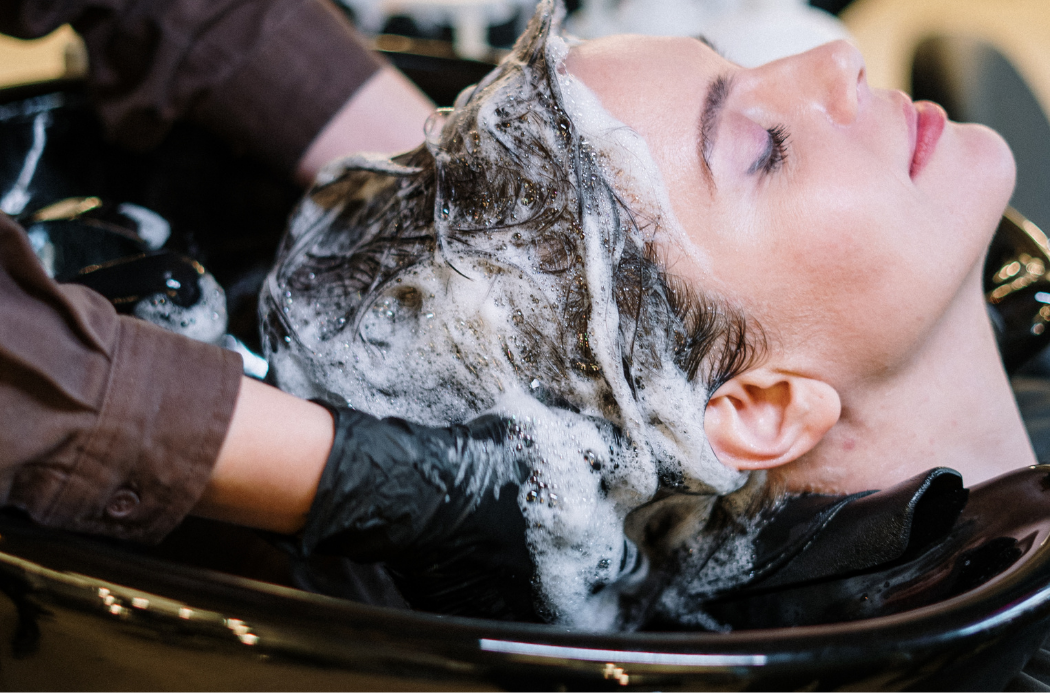
A Hair salon becomes truly innovative when it redesigns the entire client experience, not simply when it adds a new product, device, or booking platform.
Beauty businesses operate in a rapidly changing market. Clients arrive with inspiration photographs, detailed product knowledge, complicated service histories, and increasingly high expectations for personalization. At the same time, salons must manage scheduling, professional development, chemical safety, inventory, sustainability, and consistent service across a diverse team.
The most useful innovations connect these responsibilities. They remove uncertainty for clients, give professionals better information, and create systems that support quality from the initial research stage through home maintenance.
A salon service is not a standardized product pulled from a shelf. The result depends on the client’s starting point, hair or skin condition, previous treatments, desired outcome, maintenance preferences, and the professional performing the work.
This makes the consultation one of the most important forms of business innovation. Instead of treating it as a brief conversation before the service, a salon can use it as a structured decision process.
The U.S. Small Business Administration explains that market research helps businesses understand customer needs and develop a meaningful competitive advantage. Salons can apply that principle at an individual level by listening carefully before recommending a service.
These questions reduce the risk of selecting a service based solely on a trend name or photograph. They also help the professional explain alternatives when the requested outcome does not suit the available time, starting condition, or maintenance commitment.
Traditional salon menus often list broad categories such as haircut, color, facial, or treatment. That may be sufficient for an established client, but it can leave a new visitor unsure which option to select.
An innovative menu explains the purpose of each service. It can clarify the difference between maintenance and transformation, identify when a consultation is recommended, and describe factors that may affect timing or price.
Useful service descriptions answer five questions:
This approach supports transparency without pretending that every service can be predicted from a dropdown menu. It also helps clients choose more accurately before time is reserved.
Client experience includes everything that happens before, during, and after the technical service. The website, booking process, arrival, consultation, checkout, aftercare education, and follow-up communication all shape the final impression.
Harvard Business Review’s discussion of customer-journey design emphasizes the value of examining the complete experience instead of optimizing isolated interactions. For salons, a technically excellent result can still be undermined by unclear preparation instructions, incorrect scheduling, or maintenance expectations that were never discussed.
A connected salon journey might include:
Technology can support these steps, but software should not replace professional judgment. Its purpose is to help the team collect information, communicate consistently, and spend more of the visit focused on the client.
Personalization is sometimes reduced to remembering a favorite beverage or preferred shampoo. Those details may be pleasant, but meaningful personalization goes further.
It means adjusting a haircut to natural texture and styling habits. It means selecting color placement based on the existing canvas rather than applying the same pattern to everyone. In spa services, it means considering the client’s stated concerns, sensitivities, and current routine before choosing products or techniques.
Responsible personalization also includes limits. A professional should distinguish between a service that improves appearance and a medical concern requiring a healthcare provider. Recommendations should be specific enough to help without guaranteeing an outcome that cannot be assured.
The American Academy of Dermatology notes that coloring and perming can leave hair dry or brittle. A customized plan may therefore involve staged lightening, adjusted expectations, conditioning support, or a less intensive option when the hair is already fragile.
Beauty trends move quickly, but professional education involves more than learning the latest finishing technique. Teams must understand consultation, formulation, product instructions, sanitation, client communication, and how different services interact.
The U.S. Bureau of Labor Statistics describes hairstyling and cosmetology as work that combines technical services with communication, creativity, time management, and customer-service skills. A strong development program should address all of those areas.
Licensing provides an essential regulatory foundation. In Washington, clients and professionals can review cosmetology requirements through the Washington State Department of Licensing. Continued education then helps practitioners build beyond that baseline as techniques, products, and client expectations evolve.
Salons can strengthen team development by incorporating:
When education is systematic, clients are more likely to receive clear explanations and consistent care across the organization.
Safety procedures may operate behind the scenes, but they directly affect trust. Professional products require correct storage, handling, application, ventilation, and disposal. Team members also need access to product information and appropriate protective measures.
The U.S. Food and Drug Administration’s salon-professional resources address common questions about products used in hair, skin, nail, and other beauty services. The agency encourages professionals and consumers to understand product directions and report serious adverse events.
Certain smoothing services require especially specific questions. The Occupational Safety and Health Administration warns that some hair-smoothing products may contain or release formaldehyde, including products carrying potentially misleading labels. Product identification, hazard communication, ventilation, training, and protective equipment are therefore operational responsibilities rather than optional extras.
An innovative salon normalizes questions about products and procedures. Clients should feel comfortable asking what is being used, what sensations are expected, and which reactions should be reported immediately.
Sustainability is most credible when it is connected to observable practices. Broad environmental language matters less than clear decisions about purchasing, energy, water, packaging, chemicals, and waste.
The U.S. Environmental Protection Agency defines pollution prevention as reducing, eliminating, or preventing pollution at its source. That principle gives salons a practical framework: avoid unnecessary waste before deciding how to manage it.
Potential improvements include:
Not every improvement will be visible to a guest. Together, however, they can reduce operating waste while giving environmental commitments a concrete foundation.
A salon and spa operating under one roof can create a more connected experience, provided that every service remains supported by qualified professionals and clear consultation.
22 Changes Salon & Spa serves Vancouver, Washington, with a menu that includes haircuts and styling, color, extensions, perms and treatments, skin therapy, hair removal, sugaring, and lash and brow services. Its public information emphasizes personalized consultation, ongoing team training, client well-being, and sustainability.
This range illustrates an important business principle. Innovation does not always require inventing an entirely new service. It can come from making established services easier to understand, coordinate, and personalize within one consistent experience.
A client planning a larger change may benefit from discussing timing, preparation, and maintenance across services. Coordinated planning can help prevent incompatible procedures from being scheduled too closely and give the client a clearer picture of the overall commitment.
A polished website or new device does not automatically indicate a better experience. Clients can look for more practical signs:
The future of the salon industry will involve new products, techniques, and digital tools, but its strongest innovations will remain human-centered. Businesses that listen carefully, educate continuously, operate responsibly, and design services around real client needs can create something more valuable than novelty: an experience people understand, trust, and want to return to.