Beyond 20/20: Eye Doctor in San Juan Capistrano, CA
An eye doctor in San Juan Capistrano, CA can evaluate more than the smallest letters a patient can read by examining eye health, focusing, coordination,…


An Optometrist does more than correct blurred vision. Local eye care creates a practical system for detecting change, managing everyday visual needs, responding to urgent symptoms, and connecting patients with specialized treatment when necessary.
That system has become increasingly important as communities manage aging populations, childhood vision needs, chronic diseases, digital work, contact lens use, and preventable eye injuries. The most meaningful innovation is not a single instrument or online service. It is the ability to combine technology, professional judgment, patient education, and continuity of care.
People often schedule an examination because they want new glasses or notice that fine print has become difficult to read. However, a comprehensive evaluation can also examine the health and function of the eyes.
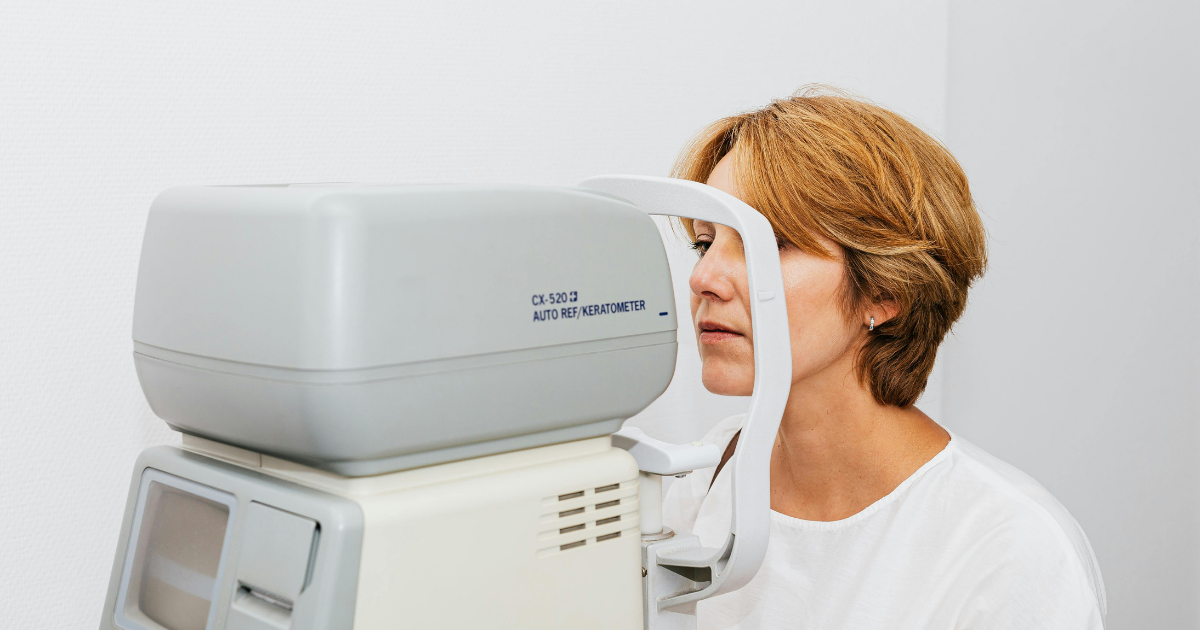
The National Eye Institute explains that many eye diseases can develop before a person notices symptoms. A dilated examination allows an eye doctor to inspect internal structures and look for signs of conditions such as glaucoma, diabetic retinopathy, and age-related macular degeneration.
This creates a feedback loop:
A single measurement rarely tells the whole story. Family history, medications, medical conditions, previous injuries, visual demands, and changes between visits all help place test results in context.
Healthy People 2030 treats vision as a public-health issue because sight influences learning, work, communication, independence, and daily safety. Its Vision Workgroup identifies priorities involving childhood screening, comprehensive examinations, early disease detection, protective eyewear, rehabilitation, and access to community eye-care services.
Diabetes provides a clear example of why eye care cannot be separated from general health. The Centers for Disease Control and Prevention notes that people with diabetes face increased risks of diabetic retinopathy, glaucoma, cataracts, and vision loss. Regular dilated examinations and appropriate treatment can help prevent or delay complications.
Patients can strengthen the connection between eye care and primary care by bringing:
If an examination identifies findings that may relate to a systemic condition, the eye doctor can recommend appropriate follow-up or communicate with another healthcare professional.
Children may not realize that their vision differs from anyone else’s. They can also have difficulty explaining blur, double vision, eye strain, or problems moving between near and distant tasks.
Parents and teachers can pay attention to behaviors such as frequent squinting, closing one eye, holding materials unusually close, losing a place while reading, avoiding detailed work, or reporting recurring headaches. These behaviors do not prove that a child has an eye condition, but they provide useful information for an examination.
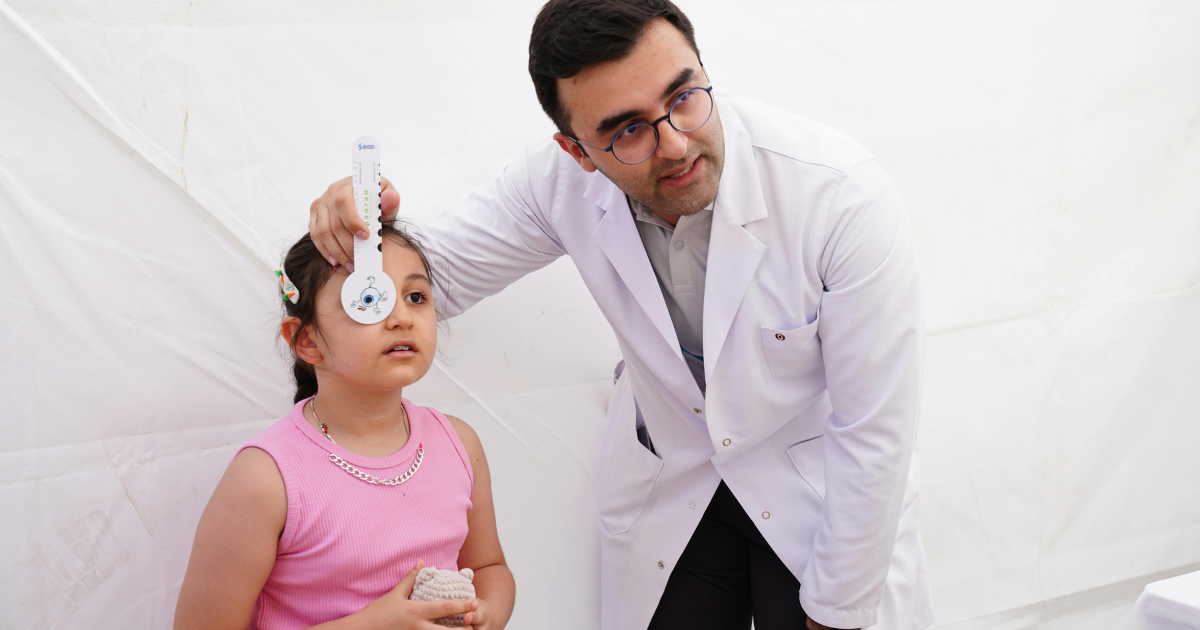
A pediatric eye evaluation does not depend entirely on reading letters or describing subtle visual differences. Age-appropriate pictures, objects, lights, and observation can help assess focusing, alignment, movement, clarity, and how the eyes work together.
The National Eye Institute’s healthy vision guidance for children also recommends practical habits such as reporting vision changes, wearing prescribed glasses, using protective eyewear, washing hands before touching the eyes, and taking regular breaks during prolonged screen use.
Contact lens innovation has expanded the options available for different prescriptions and lifestyles. Yet a lens is a medical device placed directly on the eye, not simply a smaller substitute for eyeglasses.
A contact lens evaluation may consider the eye’s shape, tear film, surface health, prescription, wearing goals, handling ability, and previous lens experience. Material, design, replacement schedule, diameter, and fit can all influence comfort and performance.
The U.S. Food and Drug Administration advises wearers to follow their prescribed replacement and cleaning instructions, wash their hands before handling lenses, avoid using water in place of disinfecting solution, and remove lenses if pain, redness, excessive tearing, or a change in vision occurs.
Convenient reordering works best after a suitable lens has been fitted and prescribed. A different brand with the same printed power may have different dimensions, materials, or performance characteristics.
A resilient community eye-care system distinguishes routine needs from potentially urgent conditions. Mild blur that has changed gradually is different from sudden vision loss, a chemical splash, significant trauma, severe pain, or a rapidly developing shadow in the field of vision.
The National Eye Institute’s retinal detachment guidance identifies a sudden increase in floaters, flashes of light, and a curtain-like shadow as warning signs that require immediate evaluation. Retinal detachment can cause permanent vision loss if treatment is delayed.
Patients should describe symptoms clearly when contacting an eye-care office:
An online scheduling system is useful for routine visits, but it should not replace direct communication when the appropriate timing is uncertain. Severe injuries, chemical exposure, or sudden loss of vision may require emergency medical services or an emergency department.
Many eye injuries occur during work, home maintenance, yard work, sports, and hobbies. Ordinary prescription glasses may not provide suitable protection against flying particles, chemicals, impact, or infectious materials.
The National Institute for Occupational Safety and Health recommends selecting eye protection according to the specific hazard and ensuring that it provides proper coverage, comfort, and peripheral vision.
Households and workplaces can reduce risk by keeping task-appropriate protection available near tools and equipment. People who require prescription correction should ask about protective options that allow them to see the task clearly while maintaining adequate coverage.
A prescription becomes useful only when it is translated into eyewear that fits the person’s face, visual needs, and daily activities. Frame dimensions, lens design, measurements, material, coatings, and final adjustments can all influence the result.
Patients should explain where and how the glasses will be used. Driving, computer work, classroom learning, detailed close work, outdoor activity, and protective applications can create different priorities.
Federal consumer rules also support patient choice. The Federal Trade Commission’s Eyeglass Rule requires eye-care prescribers to provide patients with a copy of their eyeglass prescription after a refractive examination without charging an additional fee.
Receiving the prescription does not eliminate the value of professional frame selection, measurements, verification, fitting, or adjustment. It gives patients ownership of essential information while allowing them to choose where their eyewear is made.
Mogadore Eye Care is an independent, locally owned practice serving patients from Mogadore and surrounding communities in Portage and Summit counties.
The practice’s published services include comprehensive eye examinations, pediatric eye care, contact lens evaluations, care for many common eye emergencies, and assistance with glasses and contact lenses. Dr. Shannon Honeycutt also states that patients who may require eye surgery are referred for an appropriate surgical consultation.
This model demonstrates why local care remains valuable in a technology-driven healthcare environment. Diagnostic tools can produce detailed information, but patients also need someone who understands their history, explains what the findings mean, and identifies a practical next step.
Families can make eye care more effective by creating a basic plan before a problem occurs:
The future of community eye care is not defined by technology alone. It depends on how effectively information, prevention, clinical expertise, patient behavior, and timely access work together. When those elements are connected, a local practice becomes more than a place to obtain a prescription. It becomes part of the community’s long-term health infrastructure.