Beyond 20/20: Eye Doctor in San Juan Capistrano, CA
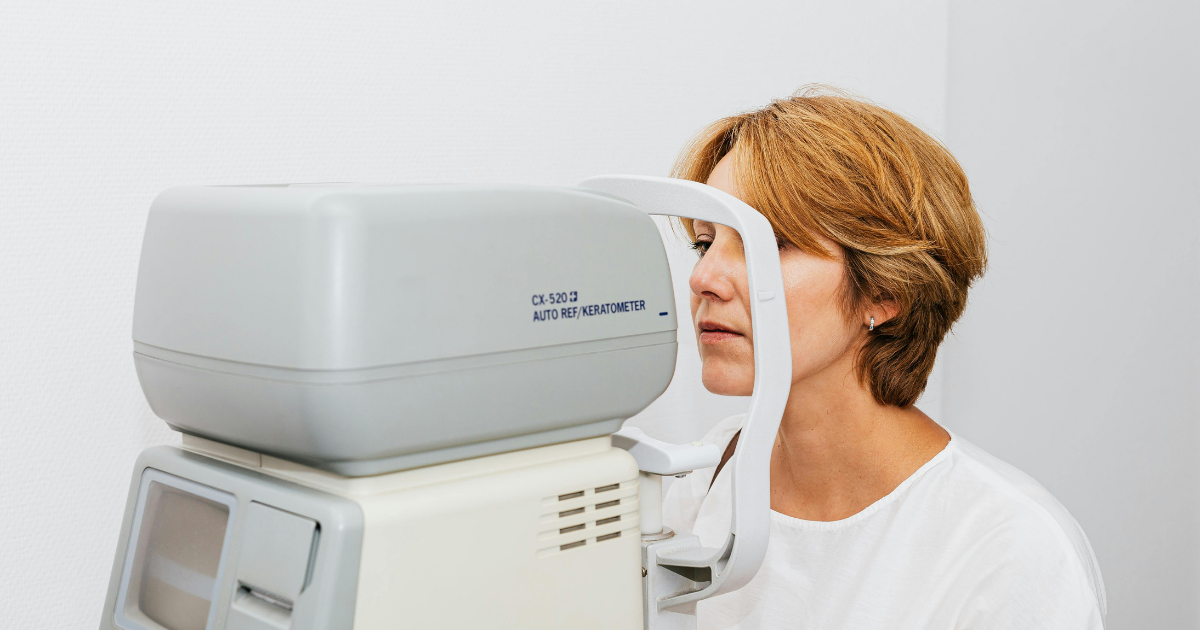
An eye doctor in San Juan Capistrano, CA can evaluate more than the smallest letters a patient can read by examining eye health, focusing, coordination,…

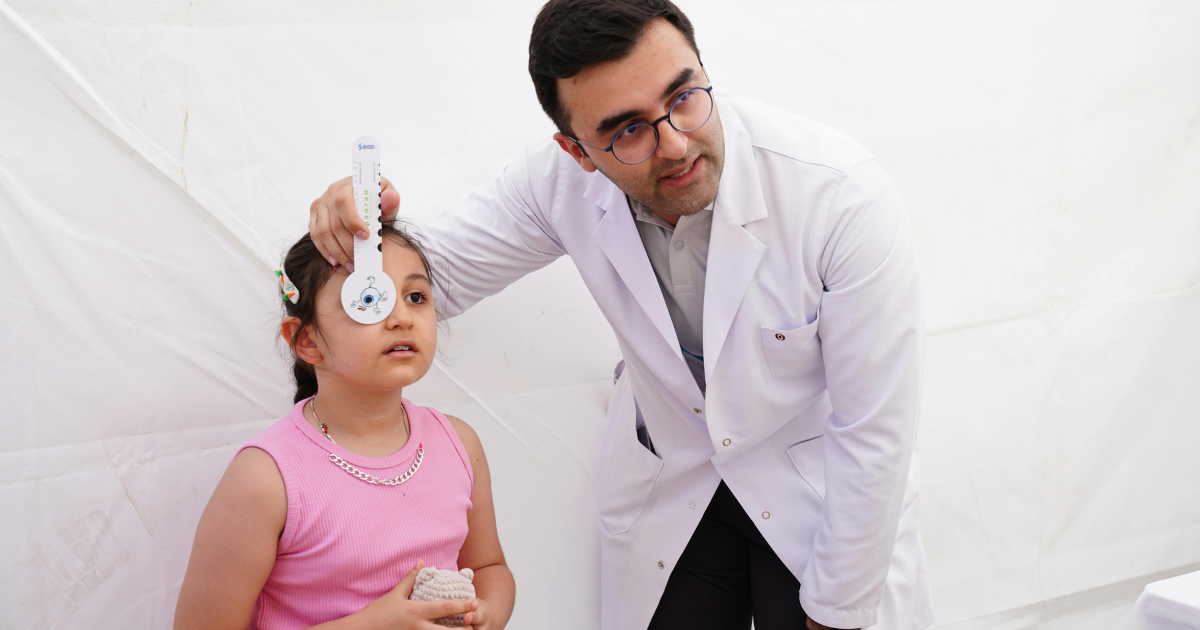
Dry eye treatment in Houston, TX is shifting from temporary, one-size-fits-all relief toward personalized care based on tear quality, eyelid health, inflammation, and the underlying cause of each patient’s symptoms. This more strategic approach matters because dry eye is not a single problem—and repeatedly using artificial tears may not address what is actually disrupting the tear film.
Modern dry eye care combines clinical examination, diagnostic testing, in-office procedures, prescription options, and home maintenance. The result is a treatment model that resembles an ongoing eye-health program rather than a quick response to occasional irritation.
A stable tear film protects the surface of the eye, supports clear vision, reduces friction during blinking, and helps defend against environmental exposure. It contains multiple layers produced by different glands and tissues.
Dry eye develops when the eyes do not produce enough tears or when the tears evaporate too quickly or fail to function correctly. The National Eye Institute explains that dry eye can result from inadequate tear production, excessive evaporation, or poor tear quality.
Symptoms may include:
Excessive tearing can also be a dry eye symptom. When the surface becomes irritated, the eyes may produce reflex tears that are watery but do not provide lasting lubrication.
Over-the-counter artificial tears can be useful for mild symptoms, but there are many formulations. Some provide basic lubrication, while others are designed to support the oily portion of the tear film. Preservatives may also irritate certain patients when drops are used frequently.
More importantly, lubrication alone may not correct blocked eyelid glands, chronic inflammation, poor eyelid hygiene, medication-related dryness, or an underlying health condition. When relief lasts only a few minutes or patients find themselves applying drops throughout the day, a more detailed evaluation may be appropriate.
Modern dry eye management begins by asking why the tear film is unstable instead of simply adding more moisture.
Meibomian glands are located within the eyelids. They release oils that form the outer layer of the tear film and help slow evaporation. When these glands become blocked or their oil changes consistency, tears may evaporate too quickly.
This condition, known as meibomian gland dysfunction, can contribute to burning, redness, fluctuating vision, and discomfort that worsens during screen use or exposure to fans and air conditioning.
Factors associated with dry eye or meibomian gland dysfunction may include:
A patient may have evaporative dry eye, reduced tear production, or a combination of both. That distinction can change the treatment plan considerably.
A dry eye consultation should include more than asking whether the eyes feel dry. The provider may review symptom patterns, medical history, medications, screen habits, contact lens use, environmental exposure, and previous treatments.
The examination may assess:
The American Academy of Ophthalmology notes that eye doctors may evaluate tear production, tear-film stability, and eyelid structure when diagnosing dry eye.
The major innovation in dry eye care is not one device or product. It is the ability to combine treatments around a patient’s specific disease pattern.
A person with mild environmental dryness may need preservative-free artificial tears and changes to airflow or screen habits. Someone with significant gland dysfunction may benefit from eyelid-focused therapy. Another patient with ocular-surface damage may require a biologic treatment intended to support healing.
The treatment plan may also change over time. Initial therapy may focus on stabilizing the eye surface, followed by maintenance designed to reduce future flare-ups.
Platelet-rich plasma eye drops are prepared from a sample of the patient’s blood. After processing, the platelet-rich portion is formulated for ophthalmic use under appropriate clinical protocols.
PRP contains naturally occurring growth factors and proteins that may support the ocular surface. It may be considered for certain patients with more persistent or complex dry eye, particularly when standard lubricating drops have not provided sufficient relief.
The process generally includes a consultation, blood collection, preparation of the plasma, and instructions for storage and application. Because PRP eye drops are derived from the individual patient, preparation and handling requirements differ from ordinary commercial drops.
PRP is not necessary for every case. The eye doctor must determine whether the condition and severity justify this option.
An amniotic membrane is a biologic tissue placed on the surface of the eye to protect the cornea and support healing. It may be used for selected patients with significant ocular-surface inflammation, persistent epithelial defects, or other forms of corneal compromise.
This therapy is different from using a daily lubricating eye drop. The membrane remains on the eye for a period determined by the provider while serving as a protective biological bandage.
Patients should ask what type of membrane is being recommended, how it will be applied, what they may feel during treatment, a