Why Local Eye Care Is Essential Community Infrastructure
Why Local Eye Care Is Essential Community Infrastructure An Optometrist does more than correct blurred vision. Local eye care creates a practical system for detecting…

An Optometrist can combine detailed clinical evaluation, personalized guidance, and carefully selected technology to make vision care more preventive, connected, and useful in daily life.
Innovation in health care is often presented as a collection of new devices. Faster imaging, automated analysis, digital records, and remote communication can certainly improve how information is gathered and shared. However, technology creates value only when it helps patients understand their health, supports professional judgment, or removes a genuine barrier to care.
Modern eye care illustrates this principle particularly well. The eye provides information about vision, ocular health, and sometimes broader medical concerns. A forward-looking practice therefore needs more than advanced equipment. It needs a system that connects accurate examinations with patient history, appropriate follow-up, practical education, and coordination with other healthcare professionals.
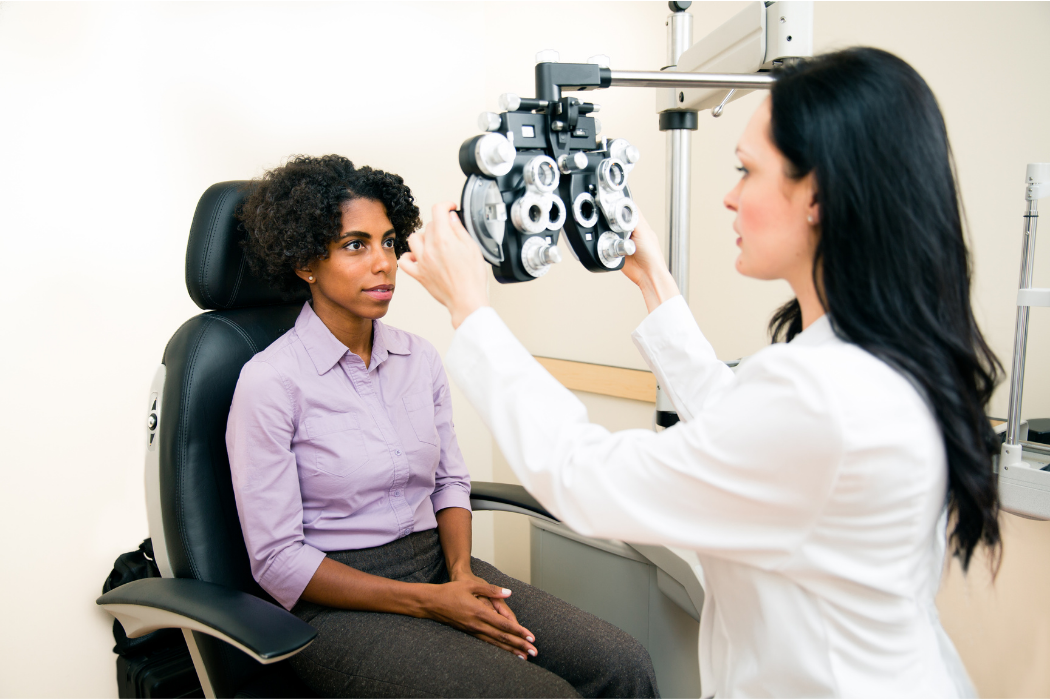
A vision screening or quick prescription check answers a limited question. A comprehensive eye examination can consider visual acuity, focusing ability, eye coordination, peripheral vision, eye pressure, pupil response, and the condition of structures inside the eye.
This wider view matters because some eye diseases can develop before a person notices obvious symptoms. The National Eye Institute explains how dilated eye examinations help detect eye disease before vision loss occurs.
Technology may help collect measurements and images, but useful interpretation depends on context. An eye doctor also needs to understand:
The examination becomes more valuable when these details are considered together. A single measurement may identify an abnormality, while a connected record can reveal whether that finding is new, stable, or part of a developing pattern.
Patients frequently receive care from several professionals. A person with diabetes may work with a primary care physician, endocrinologist, optometrist, pharmacist, and other specialists. When important information remains isolated, patients may have to repeat their history or carry test results between offices themselves.
The federal Office of the National Coordinator for Health Information Technology describes interoperability as an important part of safe, effective, patient-centered care. Proper electronic information exchange can help healthcare professionals and patients access relevant records when making decisions.
For eye care, better continuity may include comparing examination findings over time, documenting medication changes, sharing reports with another provider, or coordinating care before and after surgery.
Patients can support this process by keeping their medication lists current, requesting copies of important reports, and confirming which providers should receive follow-up information. Digital convenience is useful, but the larger goal is maintaining a reliable clinical history.
Artificial intelligence is beginning to influence medical imaging, workflow management, and disease screening. In eye care, algorithms may help analyze retinal photographs, organize large amounts of data, or flag findings that deserve closer attention.
The Food and Drug Administration maintains information about authorized AI-enabled medical devices, reflecting both the growth of the field and the need for regulatory oversight. The National Eye Institute is also researching how AI-assisted retinal imaging may improve the detection of eye and systemic conditions.
These developments are promising, but automated analysis should not be confused with complete care. A system may recognize a pattern without understanding a patient’s symptoms, risk tolerance, medical history, or ability to follow a proposed treatment plan.
Patients evaluating any technology-assisted service can ask:
The most responsible use of AI strengthens human decision-making while maintaining transparency and professional accountability.
Online forms, digital scheduling, electronic reminders, and remote communication can make care easier to navigate. They may reduce missed visits, help patients prepare questions, and allow practices to provide instructions efficiently.
Remote services can also be useful in selected circumstances. However, convenience cannot make every part of eye care virtual. Evaluating eye pressure, peripheral vision, ocular structures, lens fit, or an injury may require equipment and direct examination.
The American Optometric Association’s telemedicine policy emphasizes maintaining the standard of care when eye and vision services are delivered remotely. The appropriate format should depend on the clinical need rather than convenience alone.
A well-designed system uses digital tools to simplify administration while identifying situations that require in-person professional evaluation.
Two people with similar prescriptions may need very different solutions. A software developer using several monitors has different visual demands from a driver, student, mechanic, athlete, or person who frequently works outdoors.
Eyewear decisions can involve:
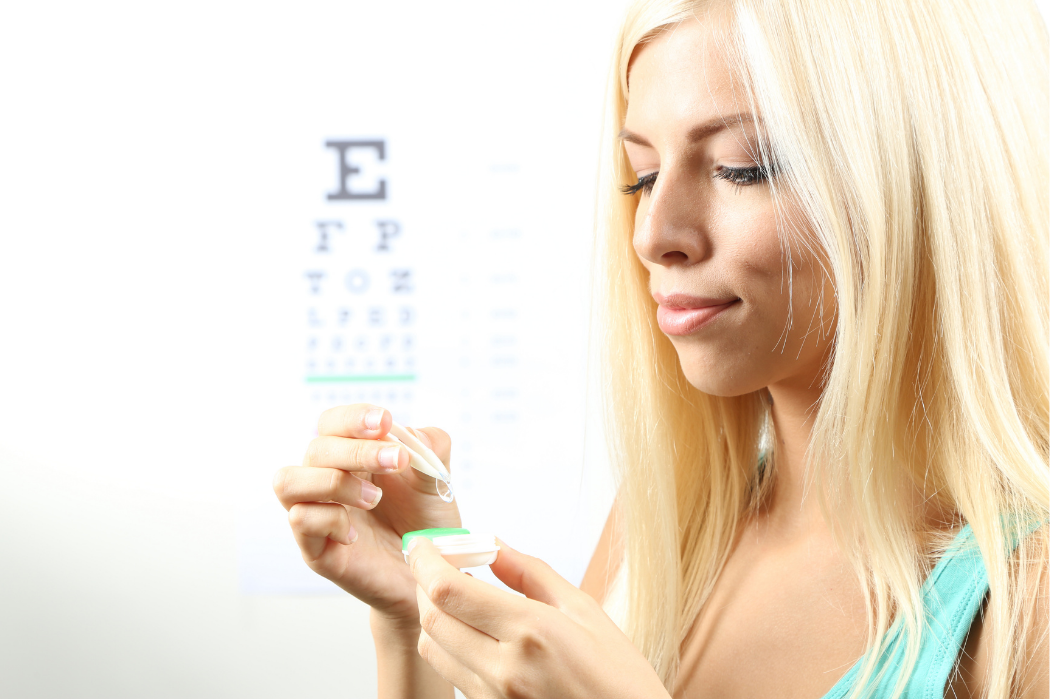
Contact lenses require similar personalization. Lens material, shape, replacement schedule, tear film, corneal measurements, and daily routine can all affect comfort and performance.
The Centers for Disease Control and Prevention recommends specific hygiene practices for contact lens wearers, including washing and drying hands, using recommended solution, avoiding water exposure, and not sleeping in lenses unless directed by an eye care professional.
Innovation in this setting is not simply offering more products. It is creating a better match between the patient, the visual task, the correction method, and the required maintenance.
Healthcare businesses often measure efficiency through appointment capacity, processing time, or administrative cost. Those figures matter, but prevention provides another form of value. Detecting a problem earlier can help reduce disruption to work, education, driving, and independent living.
A preventive model includes more than recommending routine examinations. It involves identifying individual risks, explaining why follow-up matters, and making instructions specific enough to act upon.
For example, someone with diabetes may need coordinated eye-health monitoring. A child struggling with visually demanding schoolwork may require evaluation beyond a basic screening. A contact lens wearer with redness and light sensitivity may need prompt care rather than an automated suggestion to purchase lubricating drops.
Workplace prevention is another important area. The Occupational Safety and Health Administration reports that appropriate eye and face protection can prevent many work-related injuries. An eye doctor can help patients understand the distinction between ordinary prescription glasses and protection designed for particular occupational hazards.
Even an accurate diagnosis or prescription has limited value when the patient does not understand the next step. Education should translate clinical information into practical decisions.
Before leaving an eye-care visit, a patient should ideally understand:
Good education also acknowledges uncertainty. Not every symptom has an immediate explanation, and some findings require monitoring or additional testing. Clear communication helps patients participate in that process without being overwhelmed by raw data.
Located at 6000 Denton Highway, Suite 100 in Watauga, Texas, HD Eyecare provides family vision and therapeutic eye care for patients in Watauga, Fort Worth, and nearby communities.
The practice’s public service information lists comprehensive, pediatric, and diabetic eye examinations. Dr. Hiep Doan and the team also provide contact lens fittings, custom-frame assistance, care for dry eye and allergies, evaluation of common eye diseases, urgent eye care, and co-management for patients whose treatment involves surgery.
This range supports a connected approach in which routine vision correction, medical history, ocular health, and changing lifestyle needs can be considered together. A child’s school demands, an adult’s screen-intensive work, a contact lens wearer’s comfort, and a patient’s diabetes-related risks require different conversations even when they begin with the same request for an eye examination.
Consumers can verify optometry licenses and review regulatory information through the Texas Optometry Board.
Patients do not need to become experts in imaging systems, algorithms, or health-information standards. They can evaluate modern eye care by asking whether each process improves understanding, safety, continuity, or access.
A practical checklist includes:
The future of eye care will involve better imaging, more connected records, and increasingly sophisticated analytical tools. Yet the most important innovation remains a well-designed care relationship. When technology supports careful examination, professional judgment, understandable education, and coordinated follow-up, it becomes more than a new feature. It becomes a practical way to protect sight and improve everyday life.