
Why Local Eye Care Is Essential Community Infrastructure
Why Local Eye Care Is Essential Community Infrastructure An Optometrist does more than correct blurred vision. Local eye care creates a practical system for detecting…

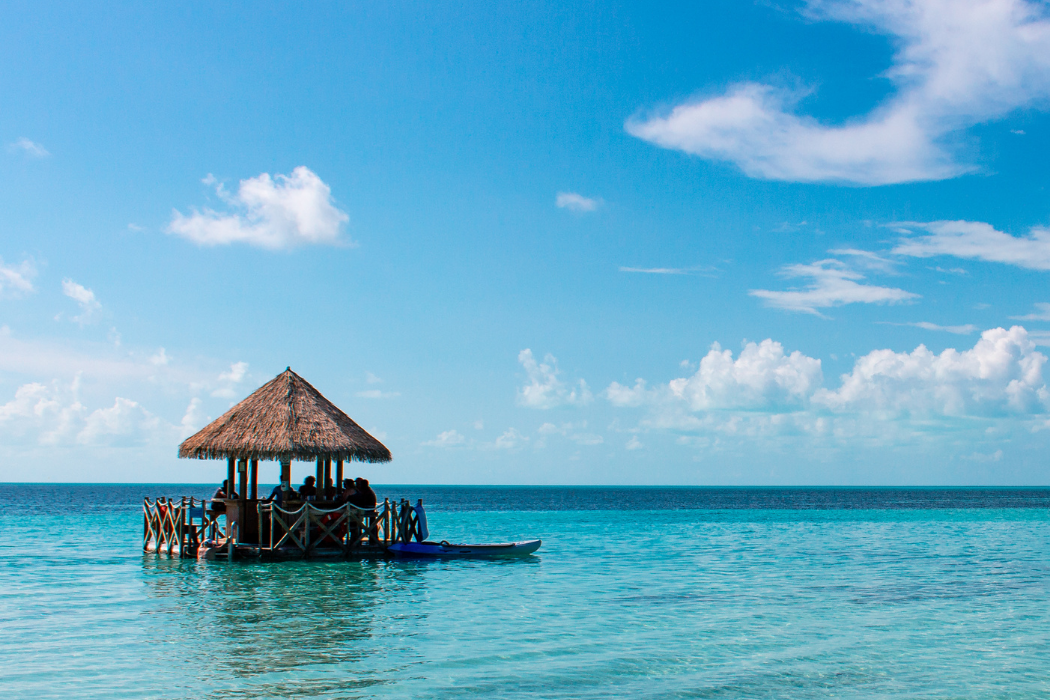
A modern Tour operator creates value not only by taking people somewhere, but also by designing how they interact with the destination and one another.
Traditional sightseeing businesses were largely organized around transportation and information. Customers purchased a seat, followed a fixed route, listened to a guide, and returned to the starting point. Today’s most distinctive tourism concepts are more participatory. Music, group interaction, local scenery, hospitality, and personalization become part of the product.
This shift represents a broader form of business innovation. Instead of competing only through itinerary length or price, experience-led operators compete through atmosphere, convenience, social connection, and memorable moments.
B. Joseph Pine II and James Gilmore described this progression in their influential Harvard Business Review article on the experience economy. Their central idea is that businesses can create additional value by using services as the foundation for engaging, memorable experiences.
In tourism, the difference is easy to recognize. Transportation delivers a passenger from one place to another. A guided service adds knowledge and organization. An experience-led business combines the route, setting, staff, sounds, activities, and guest participation into a cohesive occasion.
This does not mean every moment must be theatrical. The strongest concepts generally have a clear identity supported by practical details. Customers should understand what the experience is, who it is designed for, and how to prepare.
Tourism innovation is often associated with mobile applications, virtual reality, or advanced booking technology. Those tools can be useful, but meaningful innovation can also come from reorganizing familiar resources.
A boat, bartender, sound system, waterfront route, and local knowledge are not individually new. Combining them into a structured social cruise creates a different kind of offering.
The OECD Tourism Trends and Policies report discusses the importance of resilient, sustainable, and digitally capable tourism businesses. For a small operator, this often translates into improvements across the complete customer journey:
These elements form one operating system. A creative concept can still disappoint when guests cannot find the departure point, misunderstand the beverage rules, or arrive without knowing that certain facilities are unavailable.
Complete customization is expensive and operationally difficult. Standardization is efficient, but it can make an experience feel generic. Controlled personalization offers a practical middle ground.
An operator might maintain the same vessel, route, duration, and safety procedures while allowing groups to influence music, celebration style, or social atmosphere. This gives customers a sense of ownership without requiring the company to redesign every departure.
Useful personalization options may include:
The underlying business principle is co-creation. Guests are not passive spectators. Their conversations, music, energy, and reasons for gathering help shape the experience.
Expectation management is sometimes treated as an administrative function, but it directly affects customer satisfaction. A guest who receives accurate information can decide whether an experience suits the group before paying.
Important details include age limits, passenger capacity, tour duration, arrival time, parking, accessibility, restroom availability, beverage policies, cancellation terms, and weather procedures.
The U.S. Small Business Administration’s market-research guidance encourages businesses to examine demand, customer characteristics, market saturation, and competing alternatives. Tour businesses can extend that practice by studying the questions customers ask before arrival.
Repeated questions often reveal where the service design needs improvement. Better confirmation emails, frequently asked questions, maps, packing lists, or reminders can reduce uncertainty without adding significant labor.
An entertaining concept does not replace the responsibilities associated with operating on the water. Good experience design makes essential rules visible and understandable without allowing them to overwhelm the occasion.
The U.S. Coast Guard’s boating-safety resources cover life jackets, navigation, accident prevention, and passenger responsibilities. Operators should translate relevant requirements into practical instructions that guests can follow.
Alcohol service creates another design consideration. The National Institute on Alcohol Abuse and Alcoholism explains how alcohol affects balance, judgment, memory, and coordination. Those effects are particularly relevant on a moving vessel.
Responsible experience design may therefore include:
The objective is not to remove spontaneity. It is to create boundaries within which guests can relax and participate safely.
Accessibility cannot be evaluated solely from photographs. Dock surfaces, gangways, vessel entry, seating, noise, balance demands, and restroom access may all affect whether someone can participate comfortably.
ADA.gov provides guidance for businesses that serve the public, including information about reasonable modifications, effective communication, and accessible service. Specific requirements can depend on the business and facility, but the broader design lesson is universal: customers need enough information to make an informed decision.
Operators should invite guests to discuss mobility or communication needs before booking. When a particular request cannot be accommodated, an accurate explanation is more useful than a vague promise.
Distinctive tours do more than occupy an hour or two. They can connect visitors with restaurants, bars, marinas, transportation providers, accommodations, and other attractions.
According to the Savannah Area Chamber of Commerce’s 2025 visitor-economy summary, the Savannah area welcomed an estimated 12.9 million visitors who generated approximately $4.1 billion in spending. That activity supported businesses across lodging, recreation, food service, retail, and transportation.
Small operators can create useful local connections through referral relationships, coordinated itineraries, post-tour offers, and partnerships with nearby establishments. These arrangements extend visitor activity beyond a single transaction while helping independent businesses share demand.
However, partnerships should improve the customer journey rather than create a confusing collection of promotions. Guests should understand what an offer includes, where it can be used, and whether restrictions apply.
Nature-based tours depend on the long-term health of the places and wildlife that make the experience appealing. Dolphin sightings, coastal birds, and changing waterfront scenery can enhance a Savannah cruise, but wildlife should never be treated as a controllable prop.
NOAA Fisheries recommends observing wild dolphins from at least 50 yards away and warns against feeding, pursuing, swimming with, or harassing them.
An innovative operator can add value through interpretation rather than interference. Crew members can explain what guests are seeing, set realistic expectations, and model responsible behavior. This approach turns an unplanned sighting into meaningful local context without disrupting the animal.
Tipsy Turtle Tiki & Pedal Tours applies several experience-economy principles to its Savannah-area floating tiki-bar concept.
The company’s published boat tour is a 90-minute experience for as many as 20 guests, departing from Bahia Bleu Marina in Thunderbolt. It is presented as an option for celebrations, sunset outings, reunions, corporate functions, and social gatherings.
Guests can connect a personal playlist to the onboard Bluetooth system, which introduces personalization without changing the core tour. A captain captain and bartender provide distinct operating and hospitality roles, while shared and private options accommodate different group preferences.
The company also publishes important limitations. Guests must be at least 21, alcohol must be purchased from the onboard bar, and the vessel does not have a restroom. Passengers may bring snacks and are asked to arrive 15 to 30 minutes before departure.
Its Turtle-Band serves as a boarding pass and, according to the company’s published information, provides discounts at participating downtown Savannah establishments. That feature illustrates how a tour can connect its own experience with the wider local hospitality network.
The principles behind an experience-led tour can apply to food tours, escape rooms, workshops, event venues, recreational rentals, and other local businesses.
Experience-led tourism may feel spontaneous to the guest, but successful concepts are rarely accidental. They combine a recognizable theme with disciplined operations, clear communication, controlled personalization, local partnerships, and responsible boundaries.
The most innovative tour businesses understand that the route is only part of what customers purchase. People also value connection, participation, atmosphere, and a story they can remember after returning home. When those elements are designed around the realities of the destination, tourism becomes both a stronger business model and a more meaningful local experience.