innovative eye care in San Juan Capistrano, CA demonstrates how advanced testing, personalized recommendations, and specialized vision services can create a more complete experience than a basic prescription check.
Healthcare innovation is often associated with artificial intelligence, remote monitoring, and large hospital systems. However, meaningful innovation also occurs inside independent practices that use technology to solve specific patient problems.
Modern optometry is a good example. Eye care has expanded beyond determining whether a patient is nearsighted or farsighted. A comprehensive examination may now combine ocular imaging, eye-health screening, contact lens measurements, binocular vision testing, and lifestyle-based recommendations.
The technology is important, but the real value comes from how the information is interpreted and communicated. An advanced instrument cannot replace clinical judgment. It can, however, give an optometrist better information for evaluating vision, identifying concerns, and developing an individualized care plan.
Eye Care Is Moving Beyond the Standard Vision Test
Many people think an eye exam is mainly about reading progressively smaller letters and answering whether one lens looks clearer than another. Those tests remain valuable, but they represent only part of a complete assessment.
Clear vision does not always mean that the eyes are healthy or working efficiently together. A patient may read the smallest line on a chart while experiencing headaches, double vision, difficulty concentrating, motion sensitivity, or visual fatigue.
A modern examination may evaluate:
- Distance and near visual acuity
- Prescription needs for glasses or contact lenses
- Eye pressure and ocular health
- How the eyes focus and move
- How effectively the two eyes coordinate
- Peripheral vision and depth perception
- The condition of the retina and optic nerve
- Visual demands created by work, school, driving, and screen use
The National Eye Institute explains that dilation helps eye doctors examine internal structures and identify diseases that may not produce early symptoms. The appropriate tests and examination schedule depend on the patient’s age, health, risk factors, and previous findings.
Diagnostic Technology Creates a More Useful Patient Record
Digital imaging and computerized measurements can create objective records that practitioners compare over time. This longitudinal approach is important because a single result only shows what was happening during one appointment.
When images and measurements are stored, an optometrist can examine whether a particular feature remains stable or changes between visits. This can support more informed decisions about monitoring, additional testing, treatment, or referral.
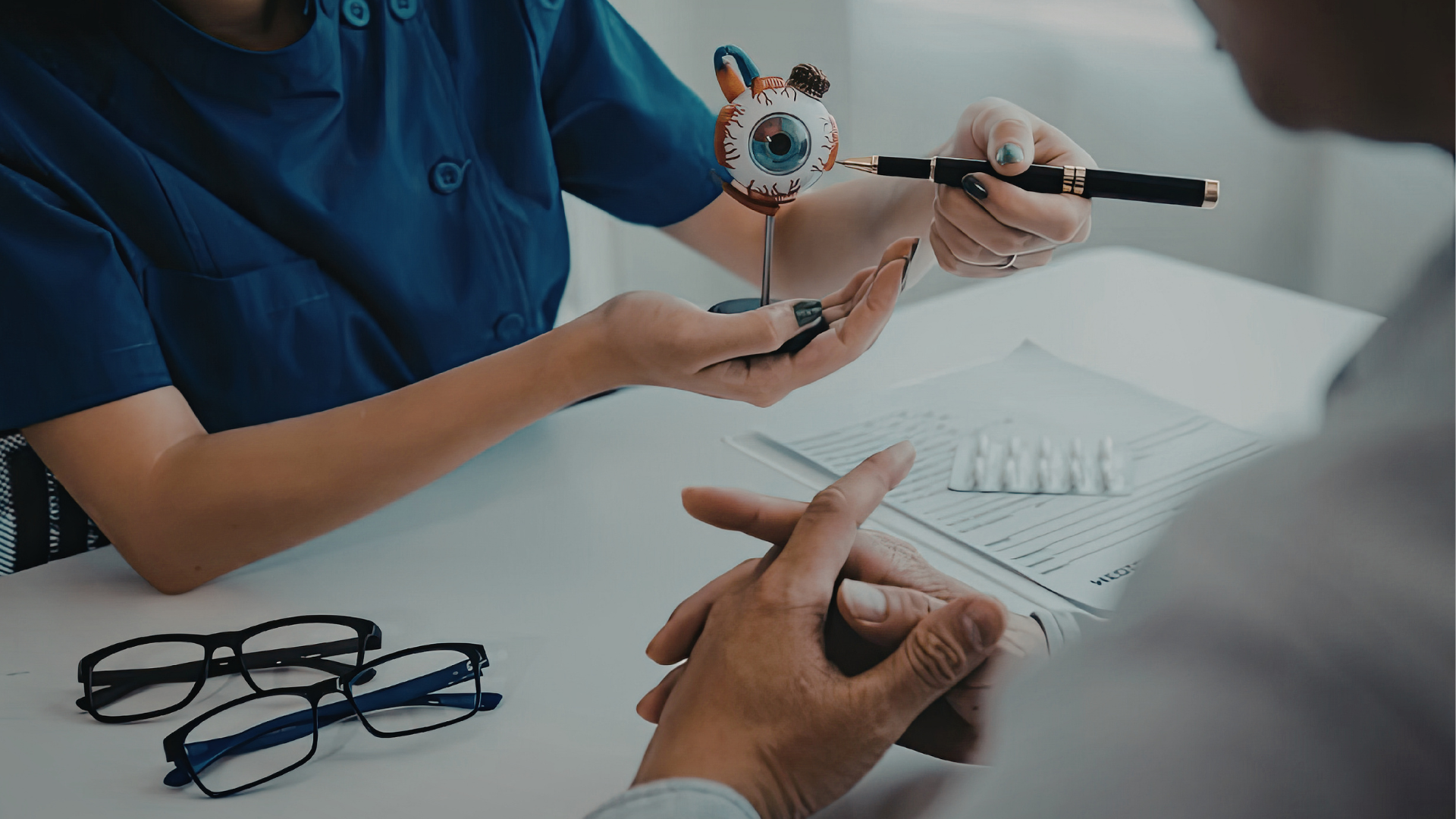
Technology can also improve patient education. Instead of describing an internal eye structure only in technical terms, the doctor may be able to display an image and explain what it shows. Patients are more likely to understand a recommendation when they can see the information being discussed.
This represents an important shift in healthcare delivery. Patients are no longer expected to accept a conclusion without context. They can participate in the conversation and make decisions with a clearer understanding of their vision and eye health.
Twenty-Twenty Vision Does Not Tell the Whole Story
Visual acuity measures how clearly someone can see at a particular distance. It does not fully measure how comfortably the eyes focus, track, or work as a team.
Binocular vision depends on the brain combining information from both eyes into a coordinated image. When that coordination is disrupted, the visual system may need to work harder to maintain comfortable sight.
The American Optometric Association lists headaches, dizziness, double vision, fatigue, and difficulty reading or concentrating among possible symptoms of poor eye coordination. These symptoms can also have numerous nonvisual causes, which is why a professional evaluation and appropriate medical collaboration are important.
A specialized binocular vision assessment may consider eye movement, focusing, posture, balance, depth perception, and the way symptoms occur during daily activities. This is more detailed than assuming every visually related complaint can be solved by changing a standard prescription.
Specialized Evaluations Can Address Overlooked Visual Demands
Binocular vision dysfunction, or BVD, is a broad term used when the eyes have difficulty working together correctly. Symptoms can vary because the visual, neurological, and balance systems interact.
The Cleveland Clinic’s overview of BVD explains that the condition may contribute to eye strain, headaches, problems with depth perception, motion sickness, dizziness, reading difficulty, or discomfort in visually complex environments.
However, symptoms such as migraines, vertigo, anxiety, and neck pain should not automatically be attributed to the eyes. They may require evaluation from primary care physicians, neurologists, vestibular specialists, or other healthcare professionals.
The innovation lies in recognizing that vision may be one part of a more complicated problem. A thorough history and specialized testing can help determine whether eye alignment or coordination deserves further attention.
Prism Lenses Offer a Personalized Optical Approach
When clinically appropriate, an eye doctor may prescribe prism within eyeglass lenses. Prism changes how light enters the eyes, helping the visual system align the images received from each eye.
The amount and direction of prism must be based on individual findings. It is not a generic feature that can be selected from a retail shelf.
The American Optometric Association describes prism lenses as one treatment option for certain eye-alignment conditions. Other situations may be managed with ordinary corrective lenses, vision therapy, surgery, medical treatment, or a combination of approaches.
Specialized prism prescriptions may also require follow-up. The doctor can evaluate how the patient responds during reading, computer work, movement, driving, or other visually demanding activities and determine whether adjustments are necessary.
Work and Screen Use Are Increasing Visual Demands
Modern work requires frequent transitions between phones, laptops, documents, meetings, and distant objects. The eyes must repeatedly focus and coordinate at different distances.
The American Optometric Association’s guidance on accommodative dysfunction notes that focusing problems can be associated with blurred vision, headaches, fatigue, postural adjustments, and difficulty moving efficiently between near and distant tasks.
Basic changes may improve comfort:
- Position screens at a comfortable distance and slightly below eye level.
- Increase text size instead of leaning toward the display.
- Reduce glare from windows and overhead lighting.
- Take short breaks during prolonged near work.
- Remember to blink fully while concentrating.
- Use an accurate, task-appropriate prescription.
Persistent symptoms should not be dismissed as an unavoidable part of using technology. They may indicate dry eye, an outdated prescription, focusing difficulty, poor eye coordination, or another problem requiring evaluation.
Contact Lens Innovation Is Becoming More Personalized
Contact lenses are another area where one-size-fits-all care is disappearing. Modern options include daily disposables, toric lenses for astigmatism, multifocal designs, colored lenses, rigid gas-permeable lenses, and specialty products for more complicated fitting needs.
A contact lens fitting considers prescription power, corneal shape, tear-film quality, eye health, lifestyle, and how the lens behaves on the eye. Trial lenses and follow-up visits allow the practitioner to assess comfort, clarity, movement, and overall performance.
Innovation does not eliminate the need for safe habits. The Centers for Disease Control and Prevention recommends washing and drying hands before handling lenses, using fresh disinfecting solution, replacing storage cases regularly, and keeping contacts away from water.
Convenience should never come at the expense of ocular health. Contact lenses are regulated medical devices and should be fitted and worn according to professional instructions.
Independent Optical Boutiques Are Rethinking Eyewear
Technology influences the examination, but innovation also appears in how patients select eyewear. An independent optical boutique can offer frame lines outside the most common mass-market collections and provide more individualized styling.
Choosing glasses involves more than matching a color to an outfit. Frame dimensions influence how the lenses sit in front of the eyes, while bridge design, temple length, weight, and material affect comfort.
Lens recommendations may also depend on occupation and lifestyle. A person who works across several screens may have different needs from someone who drives extensively, spends hours outdoors, performs detailed close work, or frequently moves between indoor and outdoor environments.
The most useful recommendation connects the prescription with the patient’s actual routine rather than automatically selecting the same lens package for everyone.
Innovation Requires Human Oversight
Artificial intelligence and automated medical devices will continue to influence eye care. The FDA maintains a list of authorized AI-enabled medical devices to provide transparency regarding products that have completed applicable regulatory review.
These systems may help analyze images, identify patterns, or improve workflow. Their results still need to be considered within the device’s intended use and the patient’s broader clinical situation.
The most advanced practice is not necessarily the one with the largest number of machines. It is the one that uses appropriate technology responsibly, explains its purpose, protects patient information, and connects the findings to meaningful care.
A Specialized Eye Care Model in San Juan Capistrano
What a Spectacle Optometry serves patients of all ages from its San Juan Capistrano office. The practice provides comprehensive eye examinations, pediatric and adult care, contact lens fittings, medical eye care, urgent eye evaluations, eye-disease management, laser-surgery co-management, dry eye care, eyewear, and specialized NeuroVisual examinations for binocular vision dysfunction.
Dr. Michelle Ahumada has completed specialized training through the NeuroVisual Medicine Institute and evaluates patients experiencing concerns that may involve subtle eye misalignment. The practice may use customized prism prescriptions when supported by examination findings.
Its optical boutique also carries independent frame lines and provides personalized eyewear assistance, connecting clinical vision requirements with comfort and individual style.
The Future of Eye Care Is More Individualized
The next stage of healthcare innovation will not be defined by technology alone. It will be defined by how effectively professionals use technology to understand individual patients.
In optometry, that means looking beyond visual acuity, collecting detailed information, considering binocular function, monitoring eye health over time, and asking how vision affects daily life.
Machines can produce measurements, but people provide context. When advanced testing is combined with careful listening, clinical expertise, and understandable education, eye care becomes more precise without becoming less personal.