Med Spa in Savannah, GA: The Value of a Personal Plan
Choosing a med spa in Savannah, GA involves more than comparing treatment menus; it means evaluating how a practice turns your goals into an appropriate,…


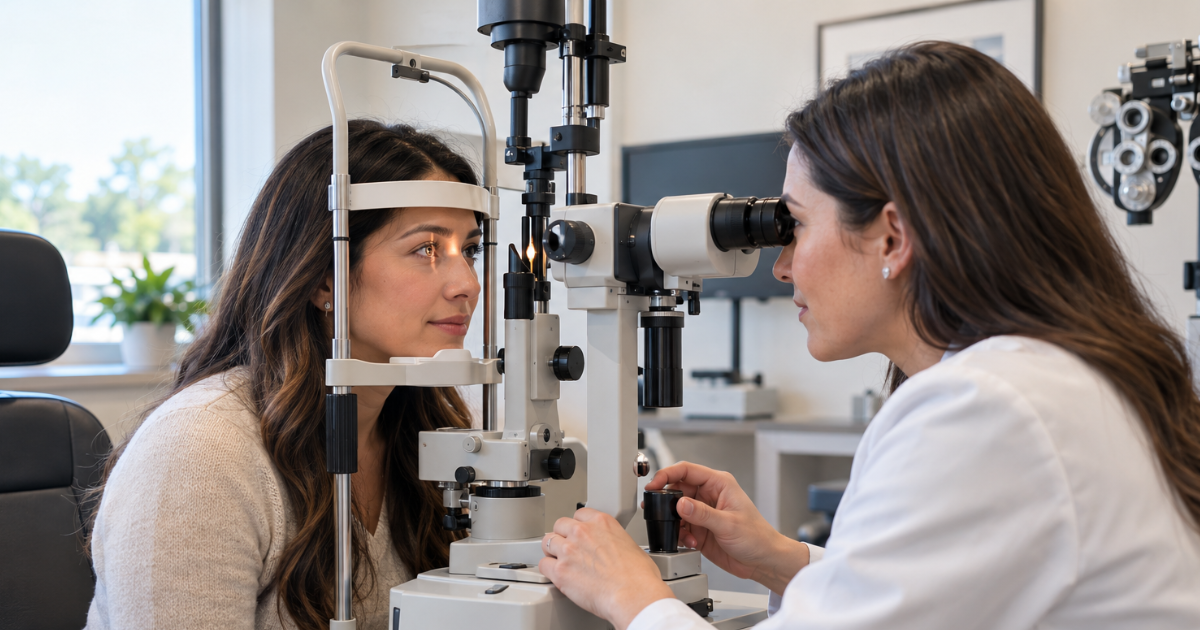
For modern patients, comprehensive eye exams provide far more information than whether the smallest line on a vision chart appears clear.
An effective examination considers visual performance, eye health, daily habits, medical history, and changes that may not yet be obvious. This broader approach reflects an important development in health care: moving from quick, symptom-driven visits toward preventive, personalized decision-making.
Clear eyesight is certainly part of the process, but it is not the complete picture. A person can read an eye chart successfully while still having an emerging eye condition, an outdated prescription, peripheral vision changes, or symptoms connected to prolonged screen use. A thorough exam helps bring these separate concerns into one informed conversation.
Many people schedule an eye exam only after experiencing blurry vision. That is understandable, but visual clarity is just one measure of how the eyes are functioning.
Refractive errors occur when the shape of the eye prevents light from focusing properly on the retina. According to the National Eye Institute, common refractive errors include nearsightedness, farsightedness, astigmatism, and presbyopia. These conditions can often be corrected with glasses or contact lenses.
Eye disease presents a different challenge. Some conditions can develop gradually without causing noticeable symptoms in their early stages. A person may believe that nothing has changed because central vision still seems clear. That is one reason professional evaluation remains valuable even when there is no immediate concern about eyesight.
A comprehensive examination may assess several areas, depending on the patient’s age, health history, symptoms, and risk factors:
Not every patient needs precisely the same testing. The value lies in selecting and interpreting tests according to the individual rather than treating the exam as a standard transaction.
Dilating drops temporarily widen the pupils, allowing an eye doctor to examine structures inside the eye more thoroughly. The National Eye Institute’s guide to dilated exams explains that dilation can help doctors look for conditions before they cause vision loss or recognizable warning signs.
Following dilation, patients may notice light sensitivity or blurred near vision for several hours. Bringing sunglasses is helpful, and some people may prefer to arrange transportation depending on how their vision responds. Patients should ask their doctor whether dilation is planned and how to prepare.
Digital retinal images and other technologies can provide useful documentation, but no single instrument tells the entire story. Technology produces measurements and images; professional interpretation connects those findings with symptoms, medical history, and previous results.
A prescription check answers an immediate question: “Can I see more clearly?” A comprehensive evaluation asks a larger one: “Is there evidence that my vision or eye health is changing?”
Glaucoma can damage the optic nerve, often without noticeable early symptoms. The National Eye Institute’s glaucoma resource notes that diagnosis involves a dilated eye examination and visual field testing. Risk can be influenced by age, family history, and other factors, so exam timing should be personalized.
Diabetes can affect the small blood vessels in the retina, sometimes before a person notices a visual change. The Centers for Disease Control and Prevention explains that regular eye exams help identify diabetes-related eye problems early, when appropriate treatment and systemic disease management may help protect vision.
This connection illustrates why an eye health history should include more than previous prescriptions. Diabetes, high blood pressure, medications, smoking history, pregnancy, family history, and other health factors may influence what the doctor evaluates and how often follow-up is recommended.
Modern health care increasingly relies on patterns rather than isolated measurements. In eye care, a result becomes more meaningful when it can be compared with earlier findings. Changes in prescription, pressure, visual fields, retinal appearance, or symptoms may reveal a trend that a single visit cannot show.
This makes continuity valuable. Maintaining an accurate record gives the doctor a baseline and helps distinguish a stable characteristic from a developing concern. Patients can support this process by sharing information clearly rather than assuming that a symptom is too minor to mention.
The American Optometric Association’s adult eye examination guidance emphasizes that examination frequency should account for individual risk. Age is relevant, but it is not the only consideration. Existing eye conditions, systemic health, family history, visual demands, and previous findings can all affect the recommended schedule.
Hours spent working on computers, reading on phones, or switching between screens can contribute to tired eyes, fluctuating focus, headaches, or dryness. These symptoms do not automatically indicate eye disease, but they deserve a careful discussion.
Screen habits are only one piece of the assessment. Room lighting, viewing distance, blinking frequency, workstation position, uncorrected vision, dry eye, sleep, and task duration may all influence comfort.
The American Academy of Ophthalmology explains that blue light from digital devices has not been shown to cause eye disease. This is a useful distinction because it helps patients focus on evidence-based strategies rather than assuming that every screen-related symptom requires a special lens.
Practical habits may include:
The best examinations are collaborative. A doctor can gather measurements, but the patient supplies essential context about how vision functions in everyday life.
Before the visit, consider preparing the following:
Patients should also distinguish routine examination needs from urgent symptoms. Sudden vision loss, new flashes or numerous floaters, significant eye pain, trauma, or abrupt visual distortion should not be saved for a future routine visit. Prompt guidance from an eye care professional is appropriate.
Diagnostic technology can make an examination more detailed, but time and communication determine whether the information becomes useful. Patients benefit when they can explain their concerns, understand what was tested, and leave with a clear plan.
At Theia Vision Care in Hartland, Wisconsin, comprehensive eye examinations include up to 60 minutes reserved for one-on-one care with the doctor. The practice describes an exam process that may include visual acuity testing, visual field testing, dilation, and time for patient questions. It also uses a direct-care model designed around personalized attention and transparent payment options.
This approach reflects a broader form of health care innovation. Innovation does not always mean adding another device or automated process. Sometimes it means redesigning the visit so that technology, professional judgment, and patient education work together more effectively.
There is no universal schedule for every adult. Exam frequency depends on age, symptoms, medical conditions, family history, contact lens use, and previous findings. An eye doctor can recommend an appropriate interval after evaluating those factors.
An online test may estimate limited aspects of visual acuity or prescription, but it cannot provide a complete evaluation of internal and external eye health. It should not be treated as a replacement for an in-person clinical examination.
No. Stable central vision does not rule out every eye condition. Preventive examinations are valuable partly because some problems may progress without an obvious prescription change.
Patients should know whether their prescription changed, whether the doctor observed any health concerns, what follow-up is needed, and which symptoms should prompt earlier care. They should also feel comfortable asking for clarification in plain language.
The most useful eye examination is not simply a sequence of tests. It is a structured process for converting measurements, images, health history, and patient experience into informed decisions.
When patients understand why each part of the evaluation matters, preventive care becomes easier to value. The result may be an updated prescription, reassurance that findings are stable, a plan for managing discomfort, or early attention to a condition that has not yet disrupted daily vision.
In that sense, the modern comprehensive exam represents both clinical care and practical innovation. It replaces a narrow focus on reading letters with a fuller view of how the eyes function, how they may be changing, and what can be done to support healthy vision over time.