Med Spa in Savannah, GA: The Value of a Personal Plan
Choosing a med spa in Savannah, GA involves more than comparing treatment menus; it means evaluating how a practice turns your goals into an appropriate,…

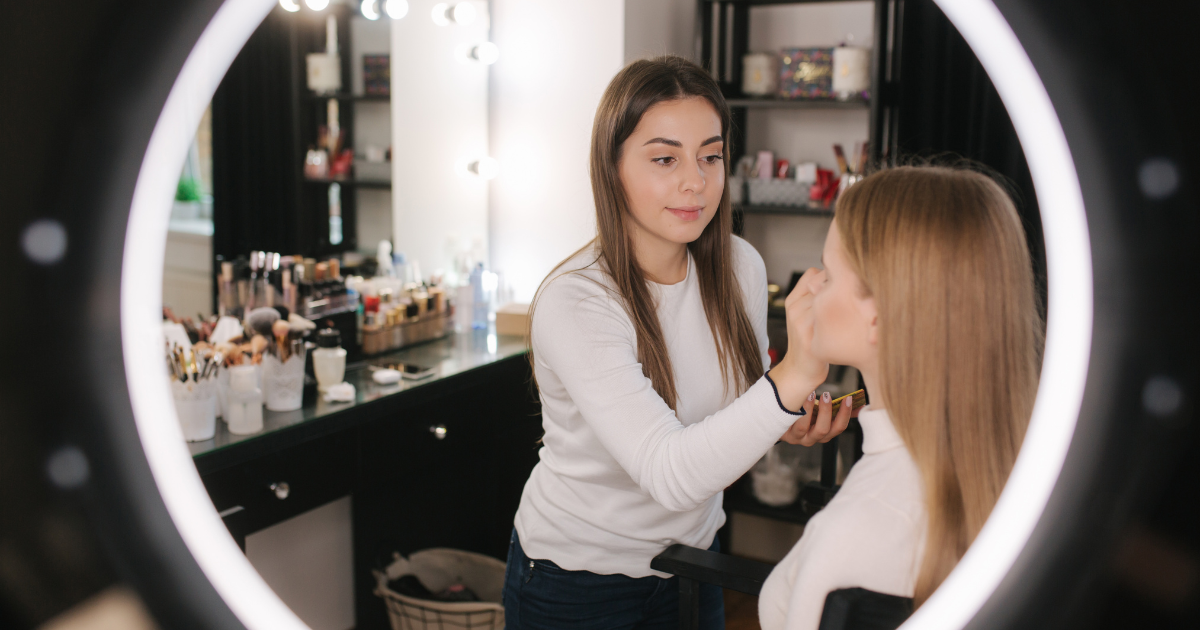
Skincare and makeup services in Bel Air, MD increasingly reflect a broader shift in the beauty industry: clients now expect treatments designed around their individual skin, comfort, and goals rather than a standardized routine.
This shift is changing how spas approach everything from consultations and product selection to advanced facial technology. Instead of treating every guest the same way, modern skin specialists consider factors such as oil production, sensitivity, hydration, lifestyle, and visible concerns before recommending a service.
Personalization is more than a beauty trend. It represents a service model built around informed decision-making, better communication, and realistic expectations.
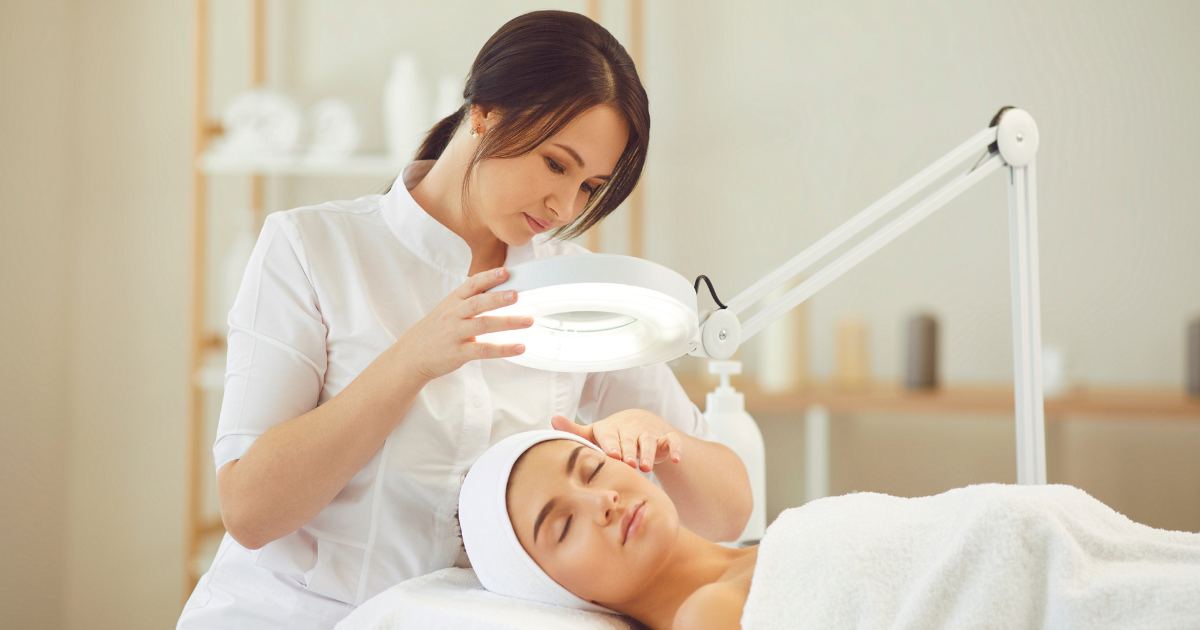
A professional facial should begin with a conversation. Even when two clients appear to have similar skin, they may have completely different sensitivities, routines, environmental exposures, or treatment goals.
During a consultation, a skin specialist may ask about:
This information helps the provider determine whether the client would benefit most from hydration, gentle exfoliation, purification, nourishment, or another targeted approach. It also allows the specialist to adjust the intensity of the treatment when the skin appears reactive or compromised.
The American Academy of Dermatology explains that understanding whether skin is oily, dry, sensitive, normal, or a combination can help guide appropriate care. Professional assessment adds another layer by examining how the skin looks and feels at the time of the appointment.
Personalization does not end once a facial has been selected. Many treatments can be adjusted through the products, techniques, masks, exfoliation methods, or optional enhancements used during the appointment.
Skin that feels tight, rough, or uncomfortable may benefit from a gentler approach focused on replenishing moisture. Aggressive exfoliation is not automatically the answer. The skin barrier plays an important role in limiting water loss and protecting the body from environmental irritants, as described in this overview from the National Library of Medicine.
A hydration-focused treatment may therefore prioritize mild cleansing, nourishing products, a moisturizing mask, and techniques that support comfort without overwhelming the skin.
Clients with excess oil or clogged pores may need a different treatment plan. A professional can select appropriate exfoliation and extraction methods while avoiding the harsh scrubbing that sometimes causes additional irritation.
It is also important to distinguish between occasional congestion and persistent acne. Salon and spa treatments can support a skincare routine, but they do not replace medical evaluation. The American Academy of Dermatology’s acne-care guidance recommends gentle cleansing and warns against habits such as scrubbing or repeatedly changing products.
Redness or sensitivity requires thoughtful product selection and clear communication. Terms printed on cosmetic labels do not always have standardized meanings. For example, the U.S. Food and Drug Administration notes that there is no federal standard governing the term “hypoallergenic” for cosmetics.
That makes the consultation especially valuable. Clients should share known allergies, previous reactions, and ingredients they avoid so the provider can make better-informed choices.
Beauty innovation is most useful when technology supports a clear client need. Modern facial menus may include equipment-assisted cleansing and extraction, light-based treatments, dermaplaning, specialty masks, or carefully selected exfoliation methods.
These options should not be treated as automatic upgrades. A device or add-on is valuable only when it is appropriate for the client’s skin and desired outcome. A knowledgeable provider can explain what the treatment does, what sensations to expect, and whether temporary redness or other aftercare considerations are possible.
This consultative model is visible at Jordan Thomas Salon and Spa, where skincare appointments are customized according to individual concerns. Its service menu includes signature and express facials, age-correction treatments, dermaplaning, Hydrafacial options, light therapy, targeted add-ons, and professional makeup application.
The variety matters because clients do not all want the same experience. One person may want a relaxing facial centered on hydration, while another may be preparing for an event and looking for smoother-looking skin before makeup application.
Professional skincare and makeup are often discussed as separate services, but they can complement one another. Makeup generally applies more evenly when the skin is comfortably hydrated and free from flaky surface buildup. However, timing and treatment intensity matter.
Trying a strong exfoliating treatment immediately before an important event may not be the best choice, particularly for someone with reactive skin. A more practical strategy is to schedule an initial skincare consultation well before the event and allow the provider to recommend an appropriate timeline.
Clients preparing for a wedding, prom, portrait session, or formal celebration can benefit from discussing several details in advance:
Eye-area products require particular care because contamination or improper application can create avoidable problems. The FDA provides practical eye cosmetic safety guidance, including recommendations about clean hands, product sharing, and applying cosmetics in a safe environment.
No single appointment can compensate for an inconsistent or overly aggressive home routine. Professional services tend to work best as part of a broader plan that includes gentle cleansing, appropriate moisturizing, sun protection, and responsible product use.
Daily sun protection is one of the most practical steps for maintaining the skin’s appearance and health. The American Academy of Dermatology recommends a broad-spectrum, water-resistant sunscreen with an SPF of 30 or higher and provides additional advice on selecting sunscreen.
Adding several new products at once makes it difficult to identify the cause of irritation. Introducing one change at a time provides a clearer picture of how the skin responds. The American Academy of Dermatology also recommends testing skincare products before incorporating them fully into a routine.
Cosmetics do not remain in ideal condition forever. Exposure to air, moisture, fingers, and applicators can affect a product over time. The FDA’s discussion of cosmetic shelf life explains why storage conditions and consumer handling influence product longevity.
A strong professional relationship depends on transparency. Before selecting a treatment, clients should feel comfortable asking:
Clear answers help clients choose services based on their actual needs rather than selecting whatever treatment sounds most intensive.
The beauty industry continues to adopt new products, devices, and treatment methods, but meaningful innovation is not simply about adding more technology. It is about using professional knowledge and client feedback to create a more relevant experience.
A customized approach recognizes that skin can change with the season, stress, travel, age, environment, and daily habits. The treatment that worked several months ago may need to be adjusted during the next visit.
For clients, this means the most valuable appointment is not necessarily the longest or most elaborate option. It is the one selected through careful consultation, performed with suitable techniques, and supported by practical aftercare. That combination turns a facial or makeup service into a thoughtful part of an ongoing beauty and wellness routine.