Med Spa in Savannah, GA: The Value of a Personal Plan
Choosing a med spa in Savannah, GA involves more than comparing treatment menus; it means evaluating how a practice turns your goals into an appropriate,…

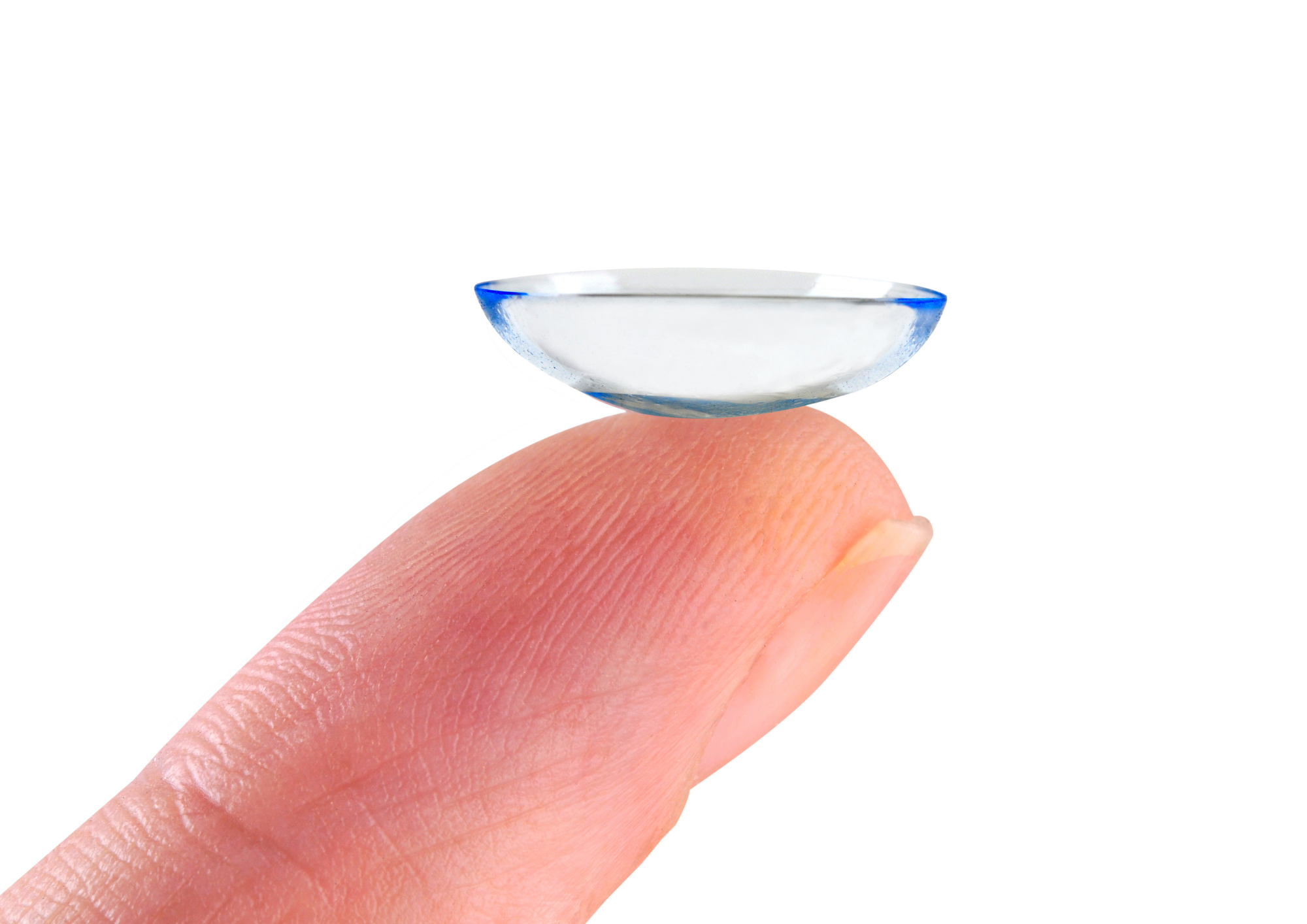
Contact lens eye exams are evolving from a simple prescription check into an ongoing process that connects lens design, eye health, wearer habits, and real-world performance.
This shift reflects a broader form of healthcare innovation. A successful contact lens experience rarely comes from selecting a product once and assuming it will remain ideal indefinitely. It comes from gathering useful information, testing a solution, reviewing the results, and making informed refinements.
That approach matters because contact lenses are medical devices worn directly on the eye. The U.S. Food and Drug Administration notes that lenses require a valid prescription and can be used to correct nearsightedness, farsightedness, astigmatism, and presbyopia. Choosing them involves more than matching a single number from an eyeglass prescription.
Contact lens performance depends on the interaction among several variables: the lens material and design, the shape and condition of the eye, the tear film, the wearing schedule, the work environment, and the wearer’s care habits.
A lens may provide sharp vision during an in-office check yet become uncomfortable after hours of computer use. Another may feel comfortable but rotate enough to make vision fluctuate, particularly when correcting astigmatism. A reusable lens might fit well clinically but be a poor practical choice for someone who struggles to maintain a consistent cleaning routine.
For this reason, the best question is not simply, “Which lens has the right power?” It is, “Which lens works safely and reliably within this person’s daily life?”
The National Eye Institute’s contact lens guidance explains that lenses come in different materials, designs, and replacement schedules. Those choices create useful flexibility, but they also make professional evaluation important.
An effective exam brings together objective clinical findings and subjective experience. Neither category is sufficient on its own.
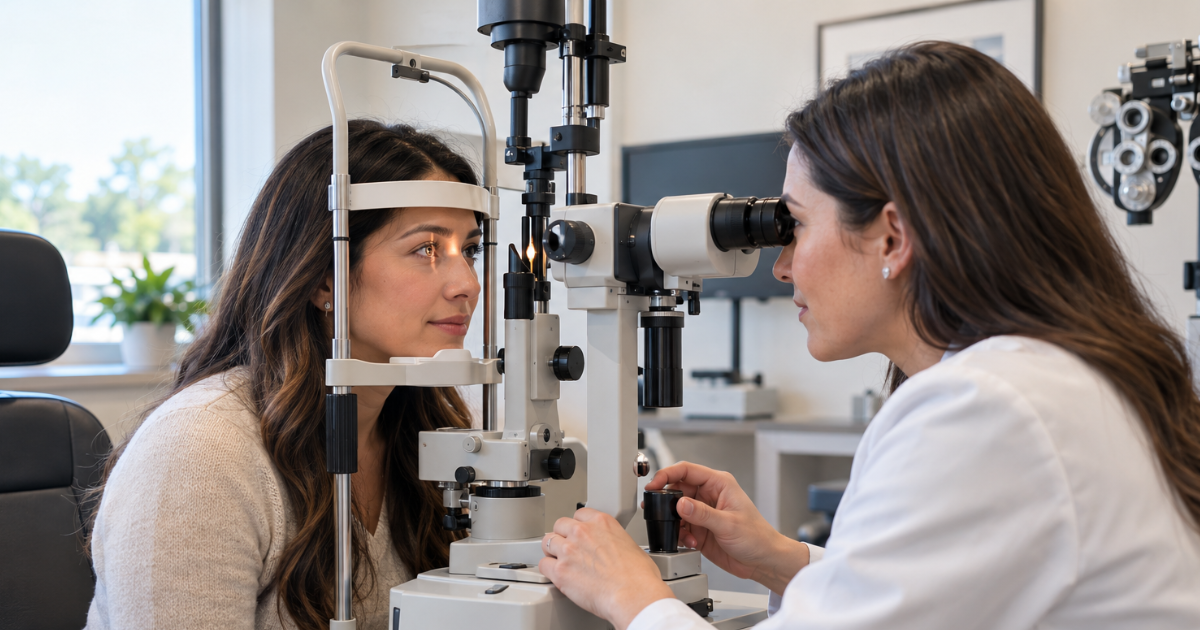
The eye care professional evaluates the front surface of the eye, including the cornea, eyelids, and surrounding tissues. Existing irritation, inflammation, allergy symptoms, or dryness may affect whether a particular lens is appropriate.
The tear film is especially important because it helps keep the eye’s surface smooth and protected. The National Eye Institute explains how tears work, including the roles of their oily, watery, and mucus layers. When that system is disrupted, comfortable lens wear may become more difficult.
Reading an eye chart provides valuable information, but daily visual demands can be more complicated. A wearer might need clear distance vision for driving, stable intermediate vision for multiple monitors, and functional near vision for reading labels or using a phone.
Presbyopia adds another layer to the decision. Multifocal contacts and monovision strategies can both be useful, but they involve different visual tradeoffs. A trial period helps determine which approach feels most natural outside the exam room.
A contact lens must sit appropriately on the eye while allowing suitable movement with blinking. Practitioners evaluate its position, coverage, movement, and stability. When appropriate, measurements such as corneal curvature help guide the initial lens selection.
A contact lens prescription may specify details beyond corrective power. According to the FDA’s prescription guidance, it can include the manufacturer or material, base curve, and diameter where applicable. This is one reason an eyeglass prescription cannot simply be converted into a contact lens order without a fitting process.
Good service design uses feedback rather than expecting the first option to be perfect. Contact lens care follows a similar model:
This feedback loop is particularly helpful for people with astigmatism, presbyopia, dry-eye symptoms, or a history of unsuccessful contact lens wear. It also gives new wearers time to develop confident insertion, removal, and care habits.
Mogadore Eye Care describes its contact lens approach as considering eye shape, ocular health, vision needs, and lifestyle, including options for people with astigmatism or presbyopia. That personalized model recognizes that a clinically suitable lens also needs to function in the wearer’s routine.
Daily disposable and reusable lenses solve different practical problems. Daily disposables eliminate the need to clean and store a lens after removal. This can suit occasional wearers, travelers, younger users, and people who value a simple routine.
Reusable lenses may be appropriate for people who are comfortable following a consistent cleaning and replacement system. Their success, however, depends on using fresh solution, caring for the case, and replacing lenses on schedule.
The right choice should account for:
No replacement schedule removes the need for clean hands and appropriate wear. Convenience should support safe behavior, not create a false sense that maintenance rules no longer matter.
Even a well-fitted lens can cause problems when it is exposed to unsafe handling. The Centers for Disease Control and Prevention recommends washing and thoroughly drying hands before touching lenses, avoiding sleep in lenses unless specifically directed, using fresh disinfecting solution, and keeping backup glasses available.
Water exposure deserves particular attention. Tap water, pools, lakes, hot tubs, and showers can expose lenses to microorganisms. The CDC’s water and contact lens guidance advises removing lenses before swimming or showering and never using water to rinse or store them.
Reusable-lens wearers should also avoid “topping off” old solution. Cases should be rubbed and rinsed with fresh solution, allowed to air-dry, and replaced regularly. These small actions are not peripheral chores. They are part of the system that allows the prescribed lens to function safely.
Contact lens comfort can change with season, screen use, illness, medications, hormonal shifts, and environmental conditions. Mild end-of-day awareness is different from persistent burning, pain, or sudden visual change, so symptoms should be described precisely.
Dryness also deserves evaluation rather than repeated guesswork with over-the-counter products. The National Eye Institute’s overview of dry eye notes that symptoms can occur when the eyes do not produce enough tears or when the tears do not work properly. Contact lens wear can be one risk factor, but it is not the only possible cause.
During a follow-up, useful observations include:
This information can help distinguish a lens-design issue from dryness, deposits, an unsuitable schedule, or another ocular-surface concern.
Some symptoms should not be treated as a normal adjustment period. Remove the lenses and contact an eye care professional promptly if there is significant pain, unusual redness, light sensitivity, discharge, excessive tearing, or a sudden change in vision.
The CDC’s information on contact lens-related eye infections identifies these as possible warning signs of microbial keratitis and other complications. Continuing to wear a lens can delay evaluation and potentially worsen irritation.
Do not put the lens back in simply because the eye feels somewhat better after a short break. Professional guidance is especially important when symptoms are sudden, severe, or limited to one eye.
A little preparation can make the fitting process more efficient and informative:
Young or first-time wearers should also expect instruction on insertion, removal, cleaning, and replacement. Readiness is not determined by age alone. The ability and motivation to handle lenses hygienically are essential parts of the decision.
Contact lens innovation is often discussed in terms of new materials and increasingly specialized designs. Those advances matter, but the process surrounding the lens is equally important. Care improves when clinical measurements, real-world feedback, health monitoring, and wearer education operate together.
A contact lens prescription should therefore be viewed as the outcome of a completed evaluation, not merely a product code. When the process accounts for both the eye and the person using the lens, it is more likely to deliver the combination that matters most: clear vision, practical comfort, and responsible long-term wear.