Med Spa in Savannah, GA: The Value of a Personal Plan
Choosing a med spa in Savannah, GA involves more than comparing treatment menus; it means evaluating how a practice turns your goals into an appropriate,…

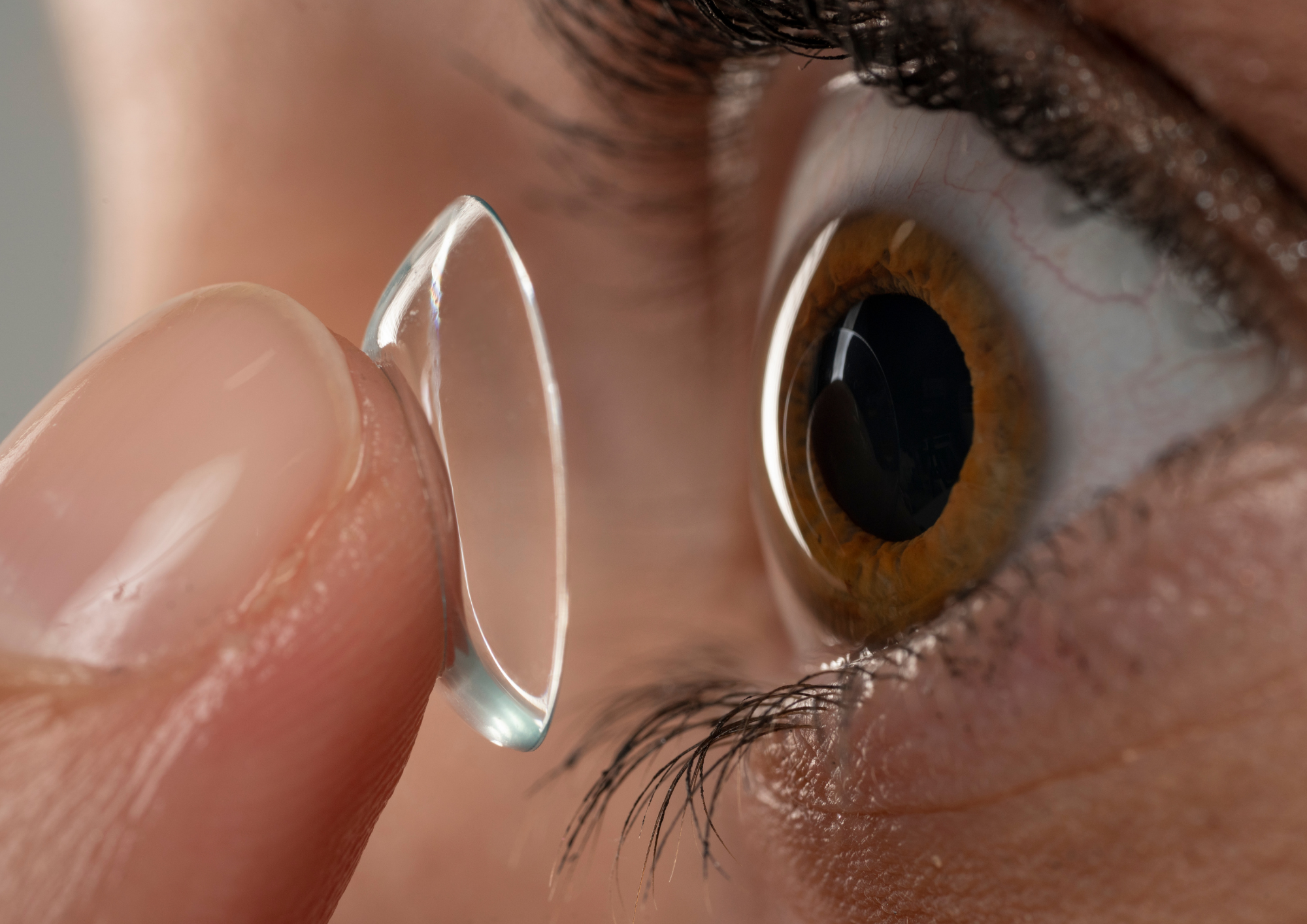
Contact lens fittings turn a general vision prescription into a wearable medical-device plan based on the eye’s shape, tear film, visual demands, and response to a specific lens.
This distinction is increasingly important as contact-lens technology becomes more specialized. Today’s options extend well beyond a single soft lens for nearsightedness. Designs may address astigmatism, age-related near-vision changes, irregular corneas, dryness concerns, or a combination of visual needs.
More choice can improve the likelihood of a successful fit, but it also makes professional evaluation more important. Two lenses with the same stated power may differ in material, diameter, curvature, oxygen transmission, replacement schedule, and optical design. The right lens is therefore selected through measurement, observation, patient feedback, and follow-up rather than prescription power alone.
Contact lenses sit directly on the tear film over the cornea. They can provide clear vision and practical freedom, but their location also means that fit, hygiene, and wearing habits affect ocular health.
The U.S. Food and Drug Administration classifies contact lenses as medical devices that require a valid prescription. This includes lenses used only to change eye color or appearance.
A contact-lens prescription is different from an eyeglass prescription because it identifies more than corrective power. According to the FDA’s explanation of contact-lens prescription requirements, it may include the lens manufacturer or material, base curve, diameter, and other information needed to dispense the prescribed product accurately.
That product-specific information is one reason an eyeglass prescription cannot simply be converted into an online lens order.
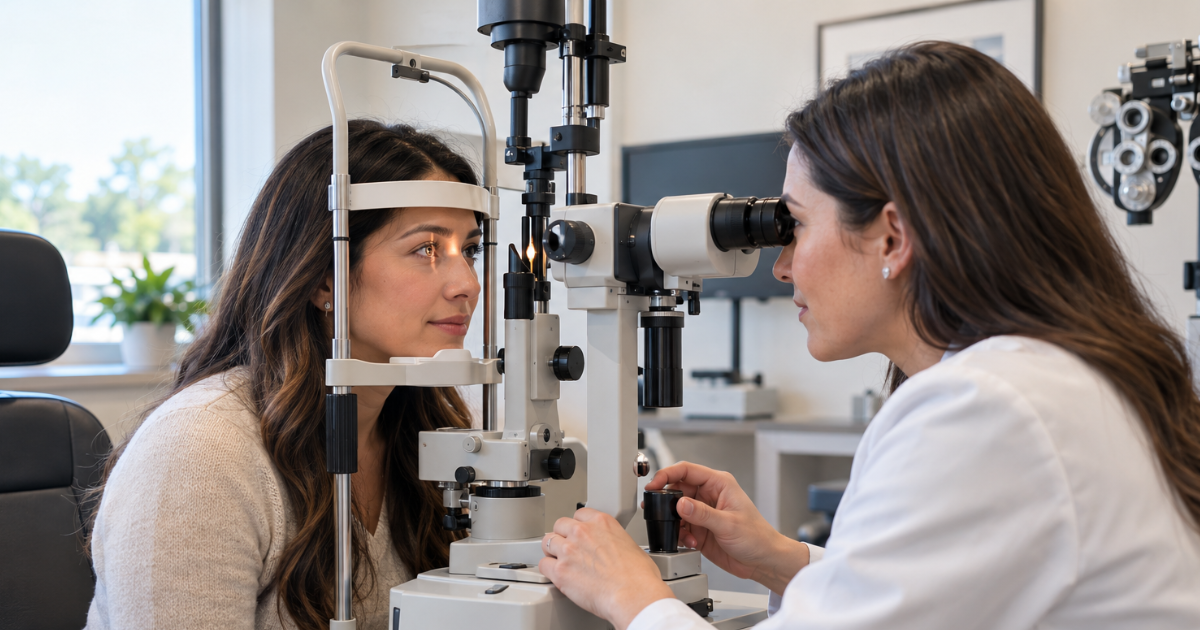
A responsible fitting starts with a comprehensive eye examination. The doctor needs to determine whether the eyes are healthy enough for lens wear and whether an existing condition could affect comfort or safety.
The evaluation may identify concerns such as:
A patient may see clearly through a trial lens while still showing a fit or ocular-surface response that makes the lens unsuitable. Visual clarity is therefore only one part of the decision.
Modern fitting combines objective measurements with real-world feedback. The exact process depends on the lens type and the patient’s needs.
Keratometry measures the curvature of the central cornea. Corneal topography can create a more detailed map of its shape. These measurements help the doctor understand how a lens may position and move on the eye.
A lens that is too tight may move inadequately, while a lens that is too loose may shift excessively or provide unstable vision. The relationship is more complex than simply matching one curvature number, because lens diameter, material, edge design, and overall geometry also influence fit.
Pupil and visible iris size may be considered when selecting certain soft, multifocal, cosmetic, or specialty lens designs. These measurements can affect centration, optical performance, and coverage.
Every blink spreads tears across the cornea and the front surface of the lens. The National Eye Institute explains that the tear film helps keep the eye smooth, supports clear focusing, and provides protection from irritants and infection.
If the tear film evaporates too quickly or does not adequately wet the lens, vision may fluctuate and comfort may decline during the day. Evaluating the ocular surface can help the doctor decide whether to address dryness first, change lens material, adjust wearing time, or consider another modality.
A technically acceptable lens can still fail if it does not fit the wearer’s routine. Modern contact-lens care increasingly treats lifestyle information as part of the fitting data.
Useful questions include:
Someone who wants lenses only for exercise may need a different strategy from a person who expects comfortable vision throughout a long workday. Daily disposable lenses may simplify care for occasional wear, while another replacement schedule may suit a consistent wearer who can follow the required cleaning process.
Earlier generations of contact lenses offered fewer options for people with astigmatism or age-related near-vision changes. Current designs allow many of these patients to be considered for contact-lens wear.
Toric lenses contain different corrective powers in specific orientations. They must remain sufficiently stable on the eye for vision to stay clear. The doctor evaluates both the correction and the way the lens rotates during blinking and eye movement.
Presbyopia makes near focusing more difficult with age. Multifocal contact lenses use multiple optical zones to support vision at different distances. Monovision, in which the eyes are assigned different visual roles, may be another option for selected patients.
Neither approach is ideal for everyone. The fitting process helps determine how a person’s visual system adapts and whether the balance between distance and near vision is acceptable for daily tasks.
The National Eye Institute’s contact-lens guidance notes that lenses are available in different materials, wearing schedules, and designs. The best option depends on the wearer’s eyes and vision needs rather than age or prescription category alone.
A trial lens allows the doctor to observe how a specific design behaves on the eye. After the lens settles, the evaluation may include:
The first trial may not be the final prescription. Small adjustments in power, curve, diameter, material, or design can make a meaningful difference.
At Maison Optique in Lafayette, the published fitting process includes a comprehensive examination, consultation, corneal and pupil or iris measurements, tear-film evaluation, trial lenses, care instruction, and follow-up. That sequence reflects an iterative model in which the prescription is finalized after fit and comfort have been assessed.
Follow-up is particularly valuable because some problems appear only after several hours or days of real use. The wearer may notice end-of-day dryness, fluctuating vision, lens rotation, handling difficulties, or discomfort that was not evident during the initial office evaluation.
Advanced materials and lens designs cannot compensate for unsafe handling. The Centers for Disease Control and Prevention recommends washing and thoroughly drying hands before touching lenses, following the prescribed replacement schedule, and removing lenses before showering or swimming.
For reusable lenses, safe care includes:
Water exposure deserves special attention. Tap water, pools, hot tubs, lakes, and oceans can contain microorganisms that do not belong between a contact lens and the cornea. The CDC’s guidance on keeping water away from contact lenses advises removing lenses before swimming or showering.
New wearers may need time to become comfortable with inserting and removing lenses. Persistent pain, marked redness, light sensitivity, discharge, or sudden blurry vision is different from normal handling frustration.
The CDC identifies these symptoms as possible signs of contact-lens-related keratitis or infection and advises removing the lenses and contacting an eye doctor promptly. Continuing to wear a painful lens can delay appropriate care.
The FDA’s everyday contact-lens safety guidance also recommends regular eye examinations, timely lens replacement, and backup glasses for situations in which lenses need to be removed.
Providing complete information can make the fitting more efficient. Bring:
If current lenses become uncomfortable late in the day, avoid describing them only as “bad.” Explain when the discomfort begins, whether vision also changes, and whether removing or rewetting the lenses helps. These details can guide the next trial more effectively.
The most innovative aspect of modern contact-lens care is not any single lens material. It is the ability to combine measurements, expanded design options, patient priorities, trial evaluation, and follow-up into a more individualized process.
A successful lens must satisfy several requirements at once. It should provide useful vision, sit appropriately on the eye, remain comfortable for the intended wearing period, and support ocular health when used as directed.
That is why the best contact-lens experience rarely begins with asking which brand is most popular. It begins by understanding the eyes, the visual tasks, and the person who will wear the lenses every day.