Med Spa in Savannah, GA: The Value of a Personal Plan
Choosing a med spa in Savannah, GA involves more than comparing treatment menus; it means evaluating how a practice turns your goals into an appropriate,…

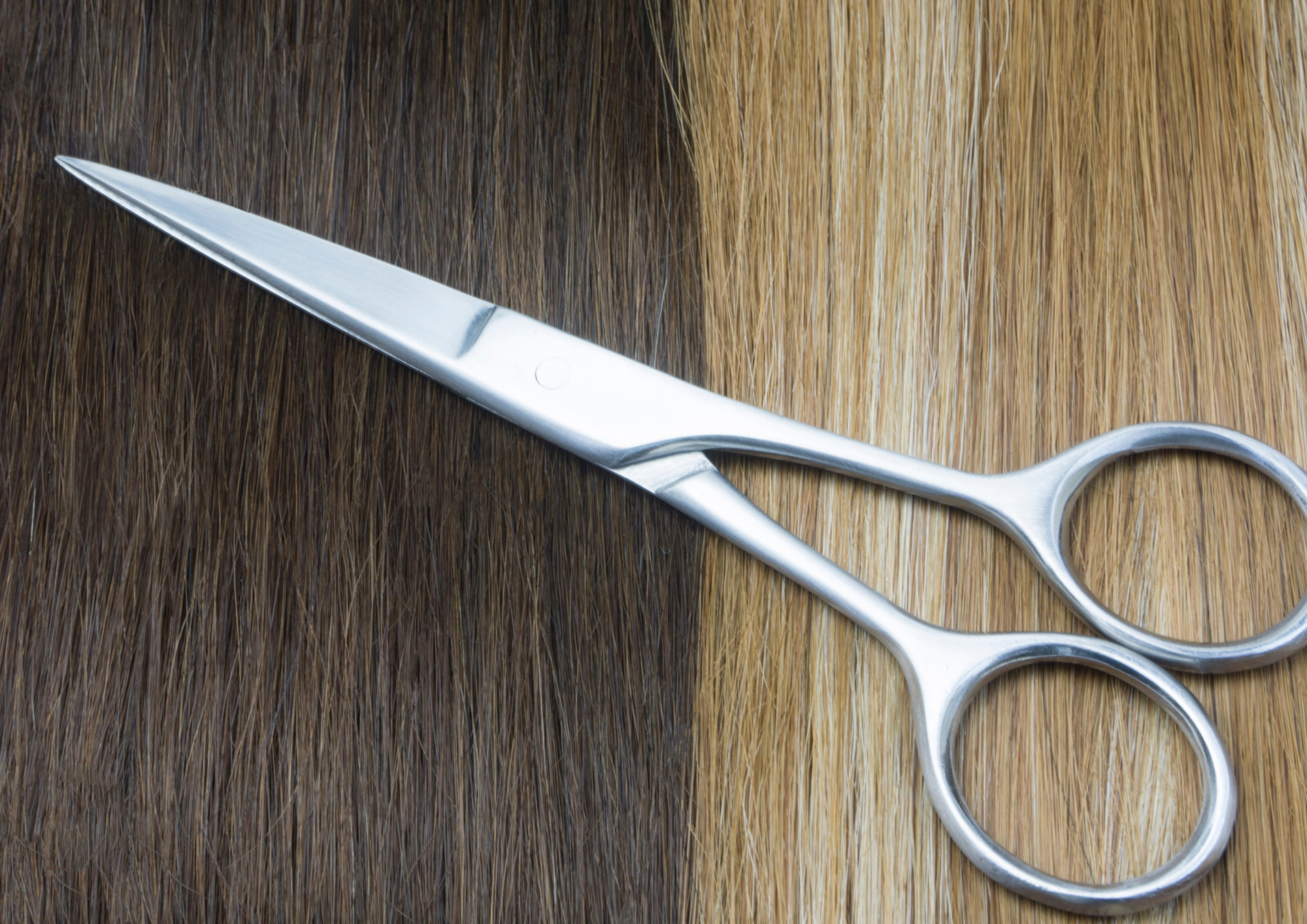
Custom hair extensions work best when they are treated as a complete service system rather than a one-time addition of length or volume. The natural hair must be assessed, the attachment method selected carefully, the color and texture matched, and the maintenance routine planned before installation begins.
This systems-based approach reflects a broader change within the beauty industry. Instead of using one technique for every client, experienced extension professionals increasingly adapt placement, weight, density, and upkeep to the individual. The visible transformation matters, but so do comfort, discretion, manageability, and the condition of the natural hair.
Two people requesting the same finished length may need entirely different extension plans. One may have dense, coarse hair capable of concealing multiple rows, while another may have fine hair that requires lighter, more discreet attachments.
A useful consultation evaluates:
The goal is not to install the maximum possible amount of hair. It is to add enough to produce the desired effect without asking the natural hair to support unnecessary weight.
Modern extension menus can include tape-ins, keratin tips, hand-tied rows, flexible wefts, volume wefts, and other specialized systems. Each method distributes weight and attaches to the natural hair differently.
Tape-ins use thin sections of extension hair attached with adhesive tabs. Their relatively flat profile can make them useful for adding length or fullness while maintaining a smooth silhouette. Placement must allow the tapes to remain covered during normal movement and styling.
Keratin-tip, or K-tip, extensions are applied in smaller individual sections. The separate attachment points can allow controlled movement and detailed placement, but the method requires careful section sizing and installation.
Weft systems attach wider sections of extension hair across planned rows. They can create substantial fullness with fewer attachment areas than individual-strand methods. A stylist must decide how many rows the natural hair can comfortably support and where those rows can be concealed.
Flex wefts are designed to lie close to the scalp, while volume wefts combine additional hair for greater density. Neither option is automatically superior. The better choice depends on the client’s natural hair, desired result, and maintenance preferences.
An extension attachment creates a load on the natural strands supporting it. If a section is too small, excessively tight, or placed where the hair is fragile, that load may contribute to breakage or unnecessary tension.
The American Academy of Dermatology’s extension-care guidance advises having extensions installed professionally and speaking up if the style causes pain or a headache. Discomfort should not be dismissed as an unavoidable adjustment period.
Repeated pulling can contribute to traction alopecia, a form of hair loss associated with prolonged tension on follicles. The AAD’s information on traction-related hair loss identifies warning signs such as broken hairs around the forehead, a receding hairline, scalp pain, stinging, or areas where the hair is being pulled.
Clients should contact their stylist if attachments feel painfully tight, begin pulling unevenly, or cause persistent irritation. Sudden or unexplained hair loss should be evaluated by a healthcare professional, since hair shedding can have many causes unrelated to extensions. The Cleveland Clinic’s hair-loss overview explains that medical conditions, hormonal changes, stress, genetics, and other factors may all contribute.
Good color matching involves depth, tone, and variation. Natural hair is rarely a single flat shade from roots to ends. It may contain highlights, lowlights, faded areas, and tonal changes caused by previous color or sun exposure.
An extension plan may therefore combine more than one shade to reproduce natural dimension. The stylist must also consider how the extension color will appear when the hair is straight, curled, gathered into a ponytail, or viewed under different lighting.
Texture is equally important. Adding very straight extension hair to a naturally wavy base may create an obvious separation unless the client is prepared to style both consistently. A closer texture match generally supports easier blending and a more realistic result.
Installation creates the new length or density, but cutting creates the final shape. Extensions that remain blunt or disconnected from the natural hair may appear heavy, uneven, or visibly separate.
After installation, a stylist may refine the perimeter, introduce face-framing pieces, or adjust layers to distribute movement. The extent of cutting should reflect both the desired style and the amount of natural hair available for blending.
This is one reason extension planning should consider the final haircut from the beginning. Attachment placement, row position, hair quantity, and cutting strategy operate as parts of one design rather than separate services.
Natural hair continues to grow after extensions are installed. As the attachment points move farther from the scalp, they may become harder to conceal and more likely to twist, tangle, or place uneven stress on the supporting hair.
A maintenance visit allows the stylist to:
The correct interval varies according to the method and the rate of natural hair growth. Delaying maintenance well beyond the recommended schedule can make the extensions more difficult to manage and may increase tangling near the attachments.
Extension hair does not receive natural oils from the scalp in the same way growing hair does. At the same time, applying heavy conditioners or oils directly to certain attachment points may cause slippage. Product placement therefore matters.
A review of hair cosmetics and fiber care describes how friction, heat, grooming, chemical processing, and environmental exposure contribute to gradual weathering of the hair shaft. Extensions experience many of these same stresses, even though they are no longer growing.
A practical care routine usually includes:
The American Academy of Dermatology also recommends gentle detangling and limiting excessive heat for healthier-looking hair. These principles become especially important when caring for both natural hair and added extension fibers.
Maintenance does not stop when the day ends. A study discussing nocturnal traction and hairstyle maintenance suggests that tension created during sleep may be a relevant factor in traction-related hair loss.
Extensions should not be pulled into a painfully tight style before bed. Going to sleep with wet hair can also encourage matting, particularly around rows or individual bonds. A stylist can recommend an overnight routine based on the installed method, hair texture, and typical sleeping habits.
Extension work requires method-specific education. The stylist must know how to size sections, manage tension, position attachments, perform maintenance, and remove the hair without avoidable pulling or cutting.
Professional standards also include cleaning and disinfecting reusable tools and maintaining an orderly service area. The Ohio Cosmetology and Barber Board’s infection-control standards outline sanitation responsibilities for licensed beauty facilities.
Before choosing a provider, clients can ask:
W Salon, Spa and Wine Bar offers hand-tied, tape-in, K-tip, volume-weft, and flex-weft extension options. Its published process begins with a consultation to assess the condition of the natural hair, discuss desired volume or length, and select an appropriate approach.
The salon states that it uses human hair and may combine multiple extension colors to create a dimensional match. Its process also includes advance preparation, installation, blending, styling, home-care guidance, and ongoing refits based on natural hair growth. Maintenance is generally discussed within a six-to-ten-week timeframe, depending on the individual.
A successful installation should look convincing on the first day, but its real quality becomes clearer over time. The extensions should remain manageable, attachments should stay discreet, and the maintenance plan should fit the client’s routine and resources.
Customization makes that possible by treating density, weight, color, placement, lifestyle, and home care as connected decisions. When those decisions are made carefully, extensions become more than added hair. They become a coordinated design built to function with the person wearing it.