Med Spa in Savannah, GA: The Value of a Personal Plan
Choosing a med spa in Savannah, GA involves more than comparing treatment menus; it means evaluating how a practice turns your goals into an appropriate,…

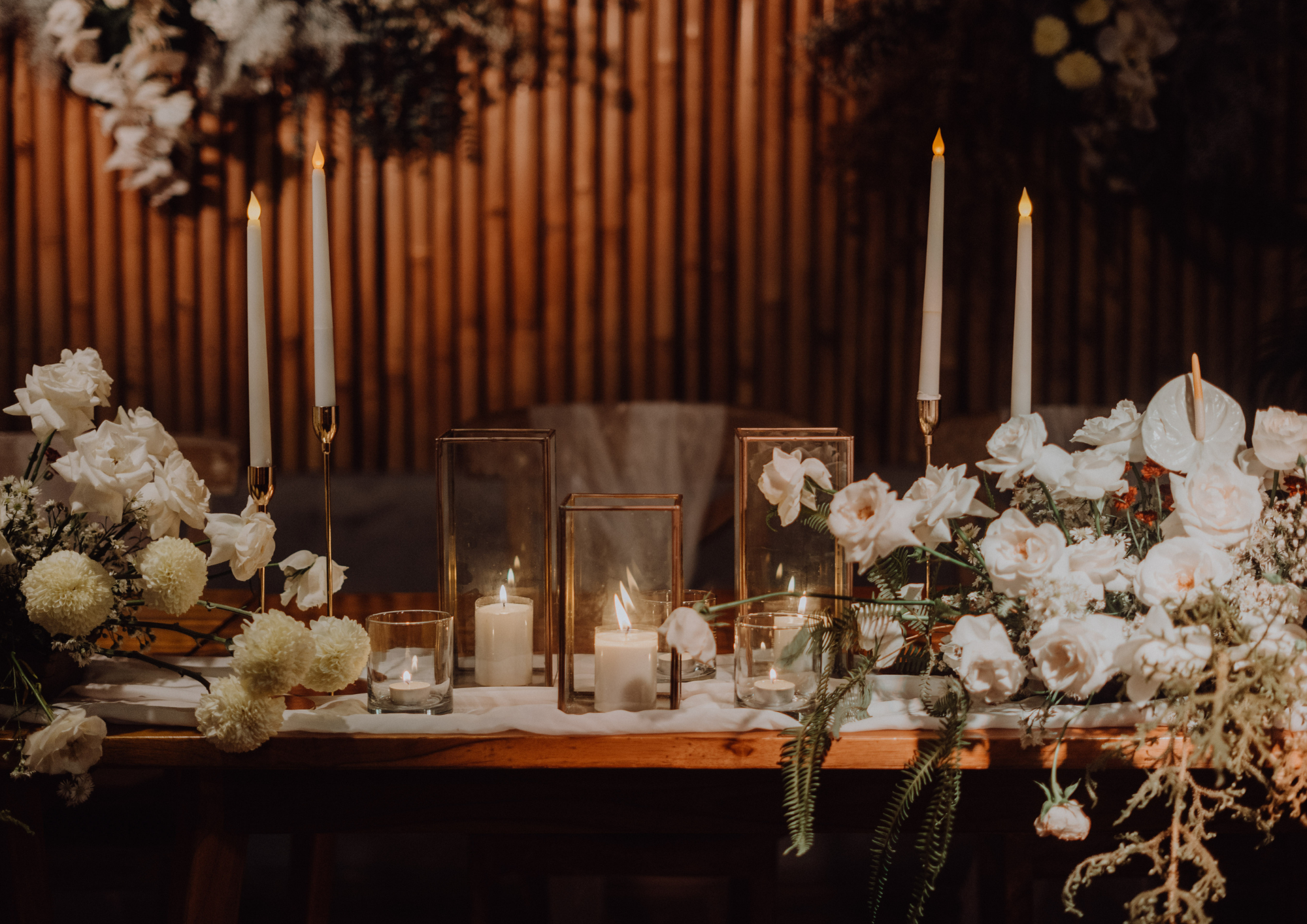
Wedding catering succeeds when food, service, timing, and atmosphere work together as one carefully coordinated guest experience.
The menu naturally receives much of the attention during planning. Couples imagine signature dishes, seasonal ingredients, memorable desserts, and flavors that represent their story. Yet the success of the meal depends on far more than individual recipes.
A caterer must translate a creative vision into an operational plan that works within the venue, timeline, guest count, and available infrastructure. The team must prepare food safely, serve hundreds of plates consistently, communicate dietary information, clear tables efficiently, and adapt when the celebration does not follow the schedule exactly.
Viewed this way, catering is not merely food delivery. It is a form of experience design that can shape the pace and personality of the entire reception.
Plated dinners, buffets, family-style meals, stations, and cocktail receptions each create a different social rhythm. The best choice depends on how the couple wants guests to move, interact, and spend their time.
A plated meal creates a structured, formal experience. Guests remain seated while courses are served, making it easier to coordinate speeches and other scheduled moments. This format requires accurate guest counts, seating information, meal selections, and careful coordination between the culinary and service teams.
A buffet offers variety and allows guests to choose their portions. It can support a relaxed atmosphere, but line length and table-release strategy matter. A poorly positioned buffet may interrupt conversation or leave some tables waiting much longer than others.
Stations encourage movement and conversation. They can feature different cuisines, regional dishes, or chef-finished items. The layout must provide enough space for guests to circulate without creating congestion near bars, entrances, or the dance floor.
Passed hors d’oeuvres and small plates can make the evening feel energetic and social. However, portion planning becomes especially important. Guests should receive enough substantial food, particularly when the reception takes place during a traditional mealtime.
None of these formats is automatically superior. The right option is the one that supports the venue, guest list, schedule, and intended atmosphere.
A menu should not be finalized without understanding how the venue operates. Some locations have commercial kitchens, while others offer only a preparation area. Historic buildings, gardens, museums, and waterfront spaces may have rules concerning open flames, electrical use, loading access, waste removal, rentals, or service hours.
The official Visit Savannah wedding venue guide illustrates the variety of settings available in the city, including public squares, museums, farms, gardens, and riverfront locations. Each setting creates a distinct atmosphere, but it also presents different logistical requirements.
Before choosing a menu, couples and caterers should clarify:
A beautiful dish that works in a restaurant kitchen may not perform equally well after transportation or extended outdoor service. Experienced menu design considers how food will taste, look, and hold under real event conditions.
A memorable wedding menu does not need to include every possible option. It needs a clear point of view and enough flexibility to welcome the people attending.
Couples can begin by identifying a few priorities. These may include regional ingredients, family traditions, a favorite cuisine, plant-forward selections, or a specific level of formality. The caterer can then build balance through texture, flavor, seasonality, and presentation.
A practical menu usually considers:
Local flavor can make a destination wedding feel connected to its surroundings. In Savannah, that might mean drawing inspiration from coastal ingredients or Southern culinary traditions without turning the menu into a collection of clichés. Thoughtful interpretation is usually more memorable than simply adding a regional label to every dish.
Dietary preference and medically necessary food avoidance are not the same. A guest who prefers a vegetarian meal has different needs from someone with a severe peanut, shellfish, dairy, or sesame allergy.
The U.S. Food and Drug Administration identifies nine major food allergens: milk, eggs, fish, crustacean shellfish, tree nuts, peanuts, wheat, soybeans, and sesame. Other ingredients may also cause reactions, so couples should gather specific information rather than rely on broad labels.
Clear communication should continue from the guest response through preparation and service. The National Restaurant Association notes that allergen communication can break down between front-of-house and kitchen teams. Couples should ask how the caterer records restrictions, prevents cross-contact, identifies modified meals, and ensures that the correct plate reaches the correct guest.
Useful questions include:
No caterer should promise an allergen-free result unless its procedures and facility genuinely support that claim. Honest limits are safer than vague reassurance.
Guests usually notice beautiful presentation and attentive service. They may not see the temperature controls, sanitation procedures, transportation systems, or timing calculations behind the meal. Those invisible systems are still essential.
The U.S. Department of Agriculture’s wedding food safety guidance emphasizes maintaining safe temperatures and limiting the time perishable food remains unrefrigerated. This becomes particularly important for outdoor receptions, warm-weather events, and long cocktail hours.
The FDA Food Code provides a scientific and regulatory framework for safe food handling in retail and food-service operations. Couples do not need to become food safety experts, but they should work with professionals who understand time and temperature control, hand hygiene, cross-contamination prevention, and safe transportation.
Service timing also protects quality. Hot food should arrive hot, chilled dishes should remain properly cooled, and delicate items should not spend unnecessary time waiting for guests to be seated.
Weddings can generate substantial material and food waste. Sustainable catering is most effective when it is treated as an operational system rather than a decorative theme.
The U.S. Environmental Protection Agency places preventing wasted food above disposal in its recommended management hierarchy. For weddings, prevention begins with realistic attendance estimates, appropriate portions, a carefully designed menu, and a clear plan for surplus food.
Couples can discuss measures such as:
Not every venue can support every sustainability measure. Compostable serviceware offers limited benefit if local waste systems cannot process it. Good planning focuses on actions that can be completed successfully within the venue and municipality.
Wedding planning becomes easier when major food and service decisions are made in a logical order.
A tasting should be treated as a working session rather than a simple meal. Couples can use it to understand how dishes will be presented at scale, which elements can be customized, and whether the menu feels cohesive from the first bite through dessert.
Food quality matters, but hospitality determines how smoothly guests experience it. Servers guide people through the meal, answer questions, refresh tables, notice emerging problems, and help maintain the reception’s pace.
An effective catering team coordinates with the planner, venue manager, rental company, entertainment provider, photographer, and other vendors. If portraits take longer than expected or a speech begins early, the catering lead may need to adjust service without drawing attention to the change.
This adaptability is one reason full-service catering involves more than calculating a price per plate. Staffing, setup, breakdown, rentals, transportation, cake service, bar coordination, and timeline management may all affect the final proposal.
Specific questions make proposals easier to compare. Two caterers may offer similar menus while providing very different levels of staffing, equipment, coordination, and service.
In Savannah, Thrive Catering develops custom wedding menus inspired by local cuisine, fresh ingredients, and contemporary presentation. The company offers full-service catering for groups ranging from approximately 75 to more than 1,000 guests, along with in-house wedding cakes. It also describes itself as a Green Certified caterer with an emphasis on environmentally responsible practices.
The broader lesson is that a successful wedding meal is not built from recipes alone. It emerges from the alignment of culinary creativity, venue logistics, guest care, safety, sustainability, and professional service.
When those elements are planned together, food becomes more than another item on the wedding checklist. It helps establish the pace of the evening, communicates something meaningful about the couple, and gives guests an experience they can remember long after the final course has been served.