Diabetic foot care in Statesboro, GA increasingly emphasizes prevention, structured monitoring, and early professional evaluation before a small problem becomes a serious complication.
Some of the most effective innovations in health care are not dramatic procedures. They are systems that help patients and clinicians recognize risk earlier. For people living with diabetes, this can mean combining daily foot checks with scheduled examinations, appropriate footwear, circulation and sensation testing, and prompt attention to new wounds or skin changes.
This preventive model changes foot care from a reaction to pain into an ongoing process. That distinction matters because diabetes can reduce sensation, affect circulation, and interfere with healing. A person may not feel an injury clearly enough to recognize its seriousness without looking for it.
Diabetes Can Change the Body’s Warning System
Pain normally alerts us that something needs attention. A blister, sharp object, or poorly fitting shoe usually becomes uncomfortable before it causes extensive damage. Diabetes-related nerve damage can weaken that warning system.
The Centers for Disease Control and Prevention explains that nerve damage may cause numbness, tingling, burning, or pain, but some people have no obvious symptoms. Reduced sensation can make it harder to notice heat, cold, pressure, or injury.
Circulation is another important factor. Reduced blood flow can make it more difficult for a sore or infection to heal. When loss of sensation and poor circulation occur together, a minor problem may progress without causing the level of discomfort someone would normally expect.
This is why waiting for significant pain is not a dependable monitoring strategy. Visual inspection and professional assessment provide information that symptoms alone may miss.
The Daily Foot Check Is a Powerful Monitoring Tool
Daily inspection is simple, but it represents an important change in how risk is managed. Instead of depending on memory or discomfort, the patient creates a repeatable observation routine.
The National Institute of Diabetes and Digestive and Kidney Diseases recommends checking the feet every day, including the areas between the toes. People who have difficulty seeing the bottoms of their feet can use a mirror or ask someone they trust for help.
A daily check may include looking for:
- Cuts, scratches, or punctures
- Blisters or fluid-filled areas
- Redness, swelling, or unusual warmth
- Cracked or excessively dry skin
- Changes in color
- Corns, calluses, or areas of repeated pressure
- Drainage, odor, or a wound that is not improving
- Ingrown, thickened, or discolored toenails
Tracking changes can be useful. A dated photograph may help show whether redness, swelling, or a wound is improving, but images should not replace an examination. Contact a health care professional promptly when a concerning change appears.
Professional Exams Add Information You Cannot See
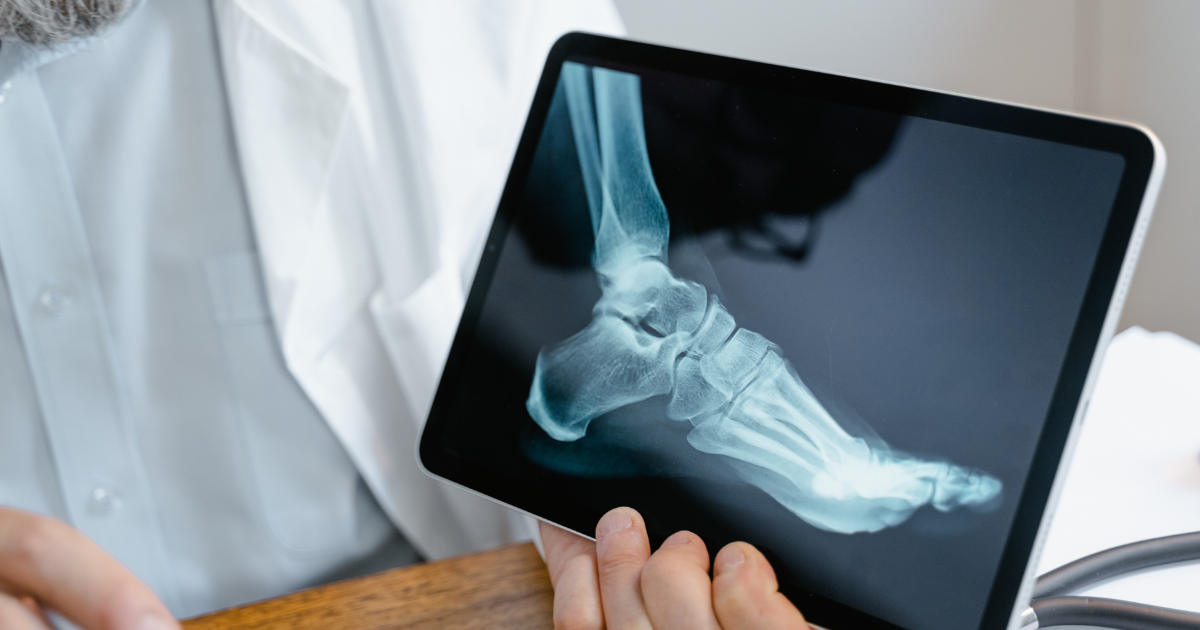
A person can inspect the skin at home, but a comprehensive foot examination evaluates more than appearance. A podiatrist may assess sensation, circulation, nail and skin condition, foot shape, pressure points, footwear, and previous medical history.
Sensation testing can help identify whether protective feeling has been reduced. Circulation assessment may include checking pulses and examining changes in skin temperature or color. Depending on the patient’s condition, additional vascular evaluation may be appropriate.
Current American Diabetes Association guidance on neuropathy and foot care emphasizes screening, risk assessment, and preventive care. The appropriate examination schedule depends on individual risk rather than a single timetable for everyone.
Many people with diabetes may be advised to receive a comprehensive foot examination at least annually. Patients with loss of sensation, circulation problems, deformity, a previous ulcer, or other elevated risks may need more frequent monitoring. The treating clinician should determine that schedule.
Risk-Based Care Makes Monitoring More Efficient
Modern preventive care is becoming more personalized. Not every patient has the same likelihood of developing a wound, and not every foot problem requires the same response.
Risk assessment may consider:
- Loss of protective sensation
- Reduced circulation
- Previous foot ulcer or amputation
- Foot deformity
- Callus formation and pressure concentration
- Skin and nail conditions
- Vision, mobility, and the ability to perform self-care
- Footwear and daily activity
The International Working Group on the Diabetic Foot prevention guideline uses risk classification to inform screening and preventive management. This approach allows clinical resources to be directed according to the patient’s actual needs.
Risk classification should be completed by a qualified professional. Online questionnaires and self-assessment tools cannot measure circulation or protective sensation with the same reliability as a clinical examination.
Footwear Is Part of the Prevention System
Shoes influence how pressure is distributed across the feet. A seam, tight toe box, worn interior, or small object inside a shoe can create repeated friction. If sensation is reduced, the wearer may not recognize the problem quickly.
The CDC advises people with diabetes to check inside their shoes before putting them on and to wear properly fitting footwear. New shoes should be introduced gradually so the feet can be checked for areas of rubbing or redness.
Some patients may benefit from specialized shoes, inserts, or custom orthotics. These options are not interchangeable and should be selected based on an examination, foot structure, pressure concerns, and medical need.
The Centers for Medicare & Medicaid Services outlines documentation and eligibility requirements that may apply to therapeutic footwear for certain Medicare patients with diabetes. Coverage varies, so patients should confirm current requirements with their clinician, supplier, and insurance plan.
Temperature Changes Can Provide an Early Signal
An area that becomes noticeably warmer than the surrounding foot may indicate inflammation or developing tissue stress. The NIDDK notes that, for some higher-risk patients, a clinician may recommend monitoring skin temperature in different areas of the feet.
This illustrates an important direction in preventive medicine: identifying measurable changes before visible breakdown occurs. However, temperature monitoring is not appropriate as a universal self-diagnosis tool. Devices, measurement routines, and response thresholds should be discussed with the treating professional.
New warmth, redness, or swelling—especially in a foot with reduced sensation—should be evaluated promptly. These changes may have multiple causes and require professional interpretation.
Small Wounds Should Not Be Managed Casually
Home first aid may seem sufficient for a small blister or cut, but diabetes can change the risk associated with that injury. Patients should not wait for a wound to become painful before seeking advice.
The American Podiatric Medical Association advises people with diabetes to contact a podiatrist or another member of their care team when a foot or ankle injury occurs. The organization emphasizes that wounds and even calluses may progress quickly in higher-risk patients.
Contact a medical professional promptly for concerns such as:
- A cut, blister, or sore that is not beginning to heal
- Increasing redness, warmth, swelling, or drainage
- Darkened or black tissue
- An infected corn or ingrown toenail
- A sudden change in foot shape
- New loss of feeling, burning, or tingling
- Fever or other signs of illness accompanying a foot wound
Severe infection, rapidly spreading redness, black tissue, or systemic symptoms may require urgent medical attention. When in doubt, contact the treating clinician or appropriate emergency service.
Avoid Do-It-Yourself Treatment of Corns and Calluses
Corns and calluses form in response to pressure or friction. For a person with diabetes, the tissue beneath a callus may sometimes be vulnerable even when the surface appears manageable.
NIDDK advises against cutting corns or calluses or using over-the-counter medicated removal products without professional guidance. These methods can injure the skin and create an entry point for infection.
Toenail care may also need adjustment. People who cannot clearly see, reach, or feel their feet—and those with thick, curved, or problematic nails—should ask a podiatrist whether professional trimming is appropriate.
Foot care does not need to be aggressive to be effective. Gentle cleaning, careful drying, appropriate moisturizing, protective footwear, and professional management of risky areas form a safer foundation.
Care Coordination Strengthens Prevention
Diabetic foot health is connected to the management of diabetes, circulation, mobility, vision, smoking, nutrition, and other medical conditions. A podiatrist may therefore work as part of a broader care team that includes primary care clinicians, diabetes specialists, vascular professionals, wound-care providers, and other specialists.
MedlinePlus maintains a collection of reviewed resources about diabetic foot complications and prevention. These materials reinforce the role of ongoing diabetes management, foot protection, and timely medical attention.
Patients can support coordination by keeping an updated medication list, recording previous wounds or surgeries, bringing commonly worn shoes to appointments, and sharing recommendations from other members of the health care team.
Prevention Works Best as a Repeatable System
Affinity Foot & Ankle Specialists provides diabetic foot care in Statesboro under board-certified podiatrist Dr. Kristian Jeffress. The practice’s approach includes examinations for skin changes, calluses, cracks, circulation concerns, and loss of sensation, along with education about cleaning, moisturizing, nail care, footwear, and injury prevention.
The clinic also offers wound care, vascular studies, custom orthotics when clinically appropriate, and other podiatric services based on individual evaluation.
The most important innovation in diabetic foot care may be the shift from occasional reaction to continuous prevention. Daily observation, risk-based examination schedules, pressure-conscious footwear, professional testing, and early wound evaluation create multiple opportunities to identify trouble sooner.
No single step eliminates every risk. Together, however, these practices form a smarter system—one designed to notice small signs while there is still time to respond.