Eye Emergencies Are a Triage Problem: How to Respond Without Losing Time
Emergency eye care services are most effective when patients recognize warning signs quickly, take the correct immediate action, and reach the appropriate level of care without unnecessary delay.
Eye emergencies are difficult because symptoms do not always reveal how serious the underlying problem is. A red eye may reflect mild irritation, an infection, inflammation, or a corneal injury. A few familiar floaters may be harmless, while a sudden burst of new floaters with flashes can signal a retinal tear or detachment.
The safest response system has three stages: identify the signal, avoid actions that could worsen the injury, and obtain professional guidance promptly. This is triage, not self-diagnosis.
Start With the Highest-Risk Signals
Certain symptoms should move directly to the top of the priority list. They include sudden vision loss, a new dark curtain in the visual field, an embedded object, chemical exposure, severe pain, or an eye injury accompanied by bleeding or visible tissue damage.
Seek immediate medical help for:
- Sudden partial or complete loss of vision
- A dark shadow or curtain moving across the visual field
- A rapid increase in floaters or flashes of light
- A chemical splash involving the eye
- Glass, metal, or another object embedded in the eye
- Severe eye pain with nausea, headache, redness, or blurred vision
- Vision changes following a blow to the head or eye
- Unequal pupils, confusion, weakness, facial drooping, or speech difficulty
- Rapidly worsening pain, redness, or light sensitivity in a contact lens wearer
When an eye problem is accompanied by possible stroke symptoms, call 911. The American Stroke Association identifies sudden trouble seeing in one or both eyes as a possible stroke warning sign, especially when it occurs with facial weakness, arm weakness, speech difficulty, dizziness, or severe headache.
Sudden Floaters and Flashes Need Prompt Evaluation
Floaters often look like dots, cobwebs, threads, or small shadows that move with the eyes. Many people have stable floaters that have been present for years. The concern is a sudden change.
A rapid increase in floaters, repeated flashes of light, or a shadow entering the visual field may indicate a retinal tear or detachment. The retina is the light-sensitive tissue lining the back of the eye. If it separates from its normal position, vision can be permanently affected.
The National Eye Institute classifies retinal detachment as a medical emergency and advises people with these symptoms to go to an eye doctor or emergency room immediately.
Risk can be higher after an eye injury, cataract surgery, a previous retinal detachment, or in people with severe nearsightedness. However, the absence of a known risk factor does not make sudden symptoms safe to ignore.
Chemical Exposure Requires Action Before Explanation
With many eye concerns, the first step is to call a professional. A chemical splash is different because rinsing should begin immediately. Do not wait to identify every ingredient, search for a remedy, or arrange transportation before flushing the eye.
What to do
- Begin rinsing the affected eye immediately with plenty of room-temperature water.
- Hold the eyelids open and allow the water to flow gently across the eye.
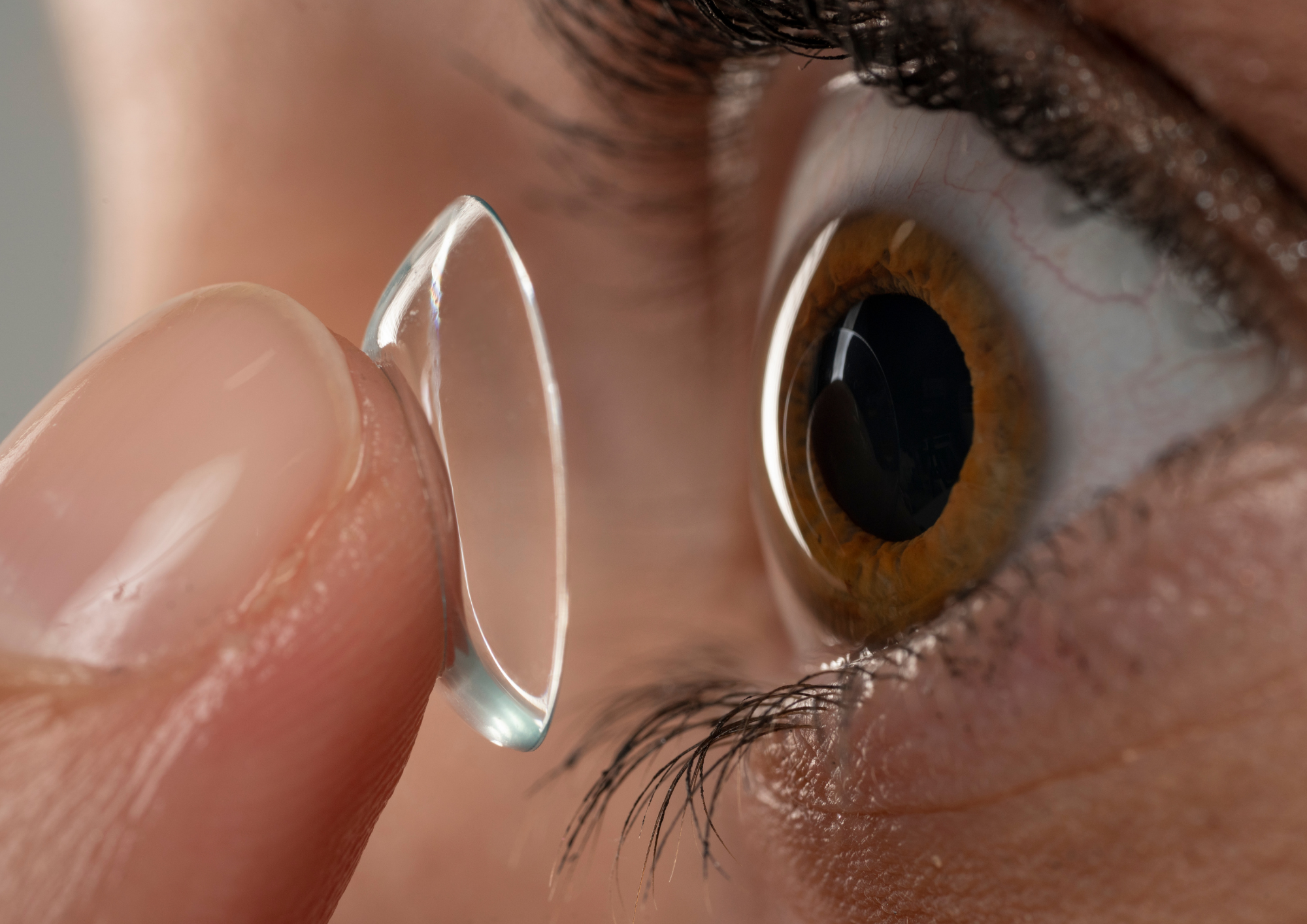
- Remove contact lenses if they do not wash out during irrigation and can be removed easily.
- Continue rinsing for at least 15 to 20 minutes.
- Contact Poison Control at 1-800-222-1222 and seek urgent medical guidance.
- Bring the product container or a photograph of its label when safe to do so.
The National Capital Poison Center stresses that irrigation should begin immediately and continue for at least 15 to 20 minutes. Severe pain, persistent redness, swelling, tearing, or visual problems require urgent ophthalmic evaluation after rinsing.
Do not attempt to neutralize one chemical with another. Do not place household solutions, oils, or unprescribed drops in the eye. Water or sterile saline is the appropriate initial flushing fluid.
Foreign Objects Require Different Responses
A loose eyelash or small piece of dust is not managed the same way as a metal fragment produced by grinding or an object that has penetrated the eye.
Loose surface debris
Blinking and natural tearing may clear minor debris. Gentle rinsing with clean water can also help. Do not rub, since rubbing may drag the particle across the cornea and cause an abrasion.
If the foreign-body sensation remains after rinsing, or if there is pain, light sensitivity, redness, or blurred vision, professional evaluation is appropriate. The object may be trapped under the eyelid or embedded in the corneal surface.
Embedded or high-speed objects
Do not attempt to pull out an object that is stuck in the eye. Do not press on the eye or place a tight bandage over it. A rigid shield, such as a clean paper cup placed loosely over the area, may help prevent accidental pressure while emergency care is obtained.
The National Library of Medicine’s eye emergency guidance recommends leaving embedded objects in place and obtaining immediate medical help. Injuries involving metal, glass, power tools, hammering, or grinding deserve particular caution because small fragments can travel at high speed.
A Painful Red Eye Is Not Always Conjunctivitis
Conjunctivitis is commonly called pink eye, but redness alone is not enough to identify it. Allergies, dry eye, corneal abrasion, infection, inflammation inside the eye, and acute glaucoma can also cause redness.
Details that affect urgency include:
- Whether pain is mild or severe
- Whether vision has changed
- Whether light causes significant discomfort
- Whether discharge is watery, thick, or absent
- Whether one eye or both eyes are affected
- Whether contact lenses are worn
- Whether there was recent injury or chemical exposure
- Whether symptoms are worsening rapidly
Using leftover antibiotic or steroid drops can obscure the clinical picture and may be harmful in certain conditions. Eye drops should be used only as directed for the current problem.
Contact Lens Wear Changes the Risk Calculation
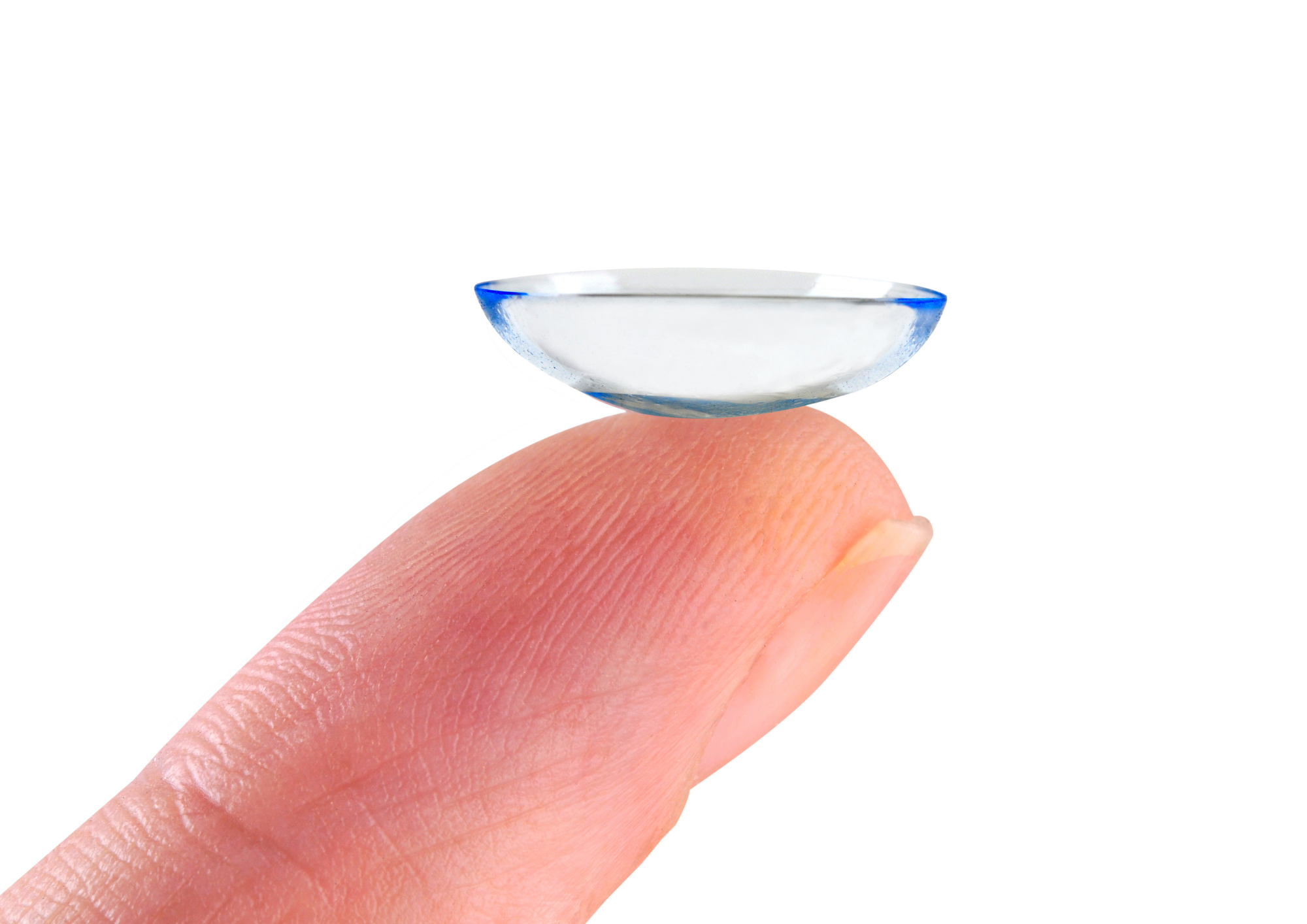
A painful or unusually red eye in a contact lens wearer deserves prompt attention. Contact lenses can be associated with microbial keratitis, an infection of the cornea that may progress quickly.
The Centers for Disease Control and Prevention lists worsening pain, light sensitivity, sudden blur, unusual tearing, and discharge among the warning signs of microbial keratitis. The agency advises removing contact lenses and contacting an eye doctor immediately when these symptoms occur.
The U.S. Food and Drug Administration similarly warns that contact lens infections and corneal ulcers can become serious quickly. Remove the lenses and do not put them back in unless an eye care professional says it is safe.
Do not discard the lenses, case, or solution immediately if an infection is suspected. Store them securely and ask the clinician whether they should be brought for evaluation. They may provide information about the source of the problem.
Eye Trauma Can Be Serious Without Looking Dramatic
A black eye or swollen lid may appear to be a surface injury, yet blunt force can also damage structures inside the eye. Balls, elbows, airbags, tools, falls, and projectiles can cause bleeding, retinal damage, fractures, or pressure-related injury.
After blunt trauma, a cool compress may be placed gently around the area, but pressure should not be applied to the eyeball. Seek urgent evaluation if there is decreased vision, double vision, severe pain, blood visible inside the eye, an irregular pupil, nausea, or difficulty moving the eye.
The National Eye Institute’s first-aid guidance also advises against removing penetrating objects and recommends prompt medical care after significant eye impact.
Choosing Between an Eye Doctor and the Emergency Room
The right destination depends on the symptoms, time of day, cause of injury, and availability of appropriately equipped care.
Call an optometrist promptly when:
- There is sudden redness, pain, discharge, or light sensitivity
- A contact lens wearer develops possible infection symptoms
- New floaters or flashes appear
- A surface foreign body may be present
- Vision changes without other neurological symptoms
- An existing eye condition suddenly worsens
Go directly to an emergency department or call 911 when:
- Stroke symptoms accompany a vision change
- An object has penetrated the eye
- There is severe trauma, uncontrollable bleeding, or visible tissue damage
- Vision loss is sudden and profound
- The person is confused, unconscious, or medically unstable
- Immediate eye care is unavailable for a time-sensitive emergency
Calling an eye care practice can help determine whether the condition can be assessed there or requires direct referral. Do not drive yourself if vision has changed suddenly or if dilation, severe pain, or neurological symptoms may make driving unsafe.
Information Improves Emergency Decisions
When contacting a practice, provide concise, specific information:
- What happened and when it occurred
- Which eye is affected
- Whether vision changed suddenly or gradually
- Whether there is pain, redness, discharge, or light sensitivity
- Whether contact lenses are being worn
- The name of any chemical or product involved
- Whether there was grinding, drilling, hammering, or high-speed impact
- Relevant eye surgery, medical conditions, and medications
This information helps the care team assign urgency, prepare appropriate equipment, and determine whether another facility is the safer destination.
Local Eye Care Can Strengthen the Emergency Network
Nova Optique & Eyecare lists sudden vision changes, eye pain or infection, chemical exposure, foreign objects, and the sudden onset of floaters or flashes among the reasons to call promptly. Its published emergency scope also includes evaluation of concerns such as corneal ulcers, conjunctivitis, and possible retinal detachment.
An optometrist may diagnose and manage the problem directly, remove certain surface foreign bodies, prescribe treatment when appropriate, or coordinate referral for surgery or hospital-based care. The value lies not only in treatment, but also in routing the patient efficiently through the eye care system.
A Fast, Correct Response Is the Real Innovation
Emergency care does not improve simply because more technology is available. It improves when symptoms are recognized early, communication is clear, first aid is appropriate, and patients reach the right professional without delay.
For eye emergencies, the operating rule is simple: sudden vision changes, severe pain, significant trauma, chemical exposure, and rapidly worsening symptoms should never be treated as routine. Protect the eye, avoid unproven remedies, and obtain qualified guidance as quickly as possible.