Nail services in Kennett Square, PA are becoming more personalized as salons replace the one-size-fits-all appointment with flexible experiences designed around different schedules, preferences, and self-care goals.
The basic purpose of a manicure or pedicure has not changed: care for the nails and surrounding skin while creating a clean, polished appearance. What has changed is how the service is delivered. Today’s clients may want efficient maintenance, a longer spa ritual, extended-wear polish, targeted hand care, or an experience that fits into a broader wellness routine.
This shift is an example of service innovation rather than novelty for its own sake. Salons are creating clearer choices, introducing thoughtful upgrades, and improving the overall customer journey. The result is a nail appointment that can be adapted to the individual instead of forcing every guest into the same format.
Choice Is Becoming Part of the Service
Modern nail menus increasingly recognize that clients arrive with different priorities. Someone preparing for a business trip may need a streamlined manicure, while another guest may want to slow down with massage, exfoliation, and a hot towel treatment.
Offering both express and spa-level services gives clients control over time and experience. This menu structure also sets clearer expectations. An express appointment concentrates on essential grooming and polish, while a spa appointment can include more extensive cuticle care, massage, and sensory elements.
Salon Secrets Spa reflects this approach through a menu that separates express manicures and pedicures from more complete spa options. Its nail services also include Shellac manicures, polish changes, French polish, nail repair, and optional hand treatments.
The innovation is not simply having more items on a menu. It is organizing those choices so clients can select the level of care that suits the occasion.
Express Services Meet the Need for Convenience
Convenience has become an important part of the beauty industry. Online scheduling, virtual consultations, and focused services help clients fit personal care into increasingly busy calendars.
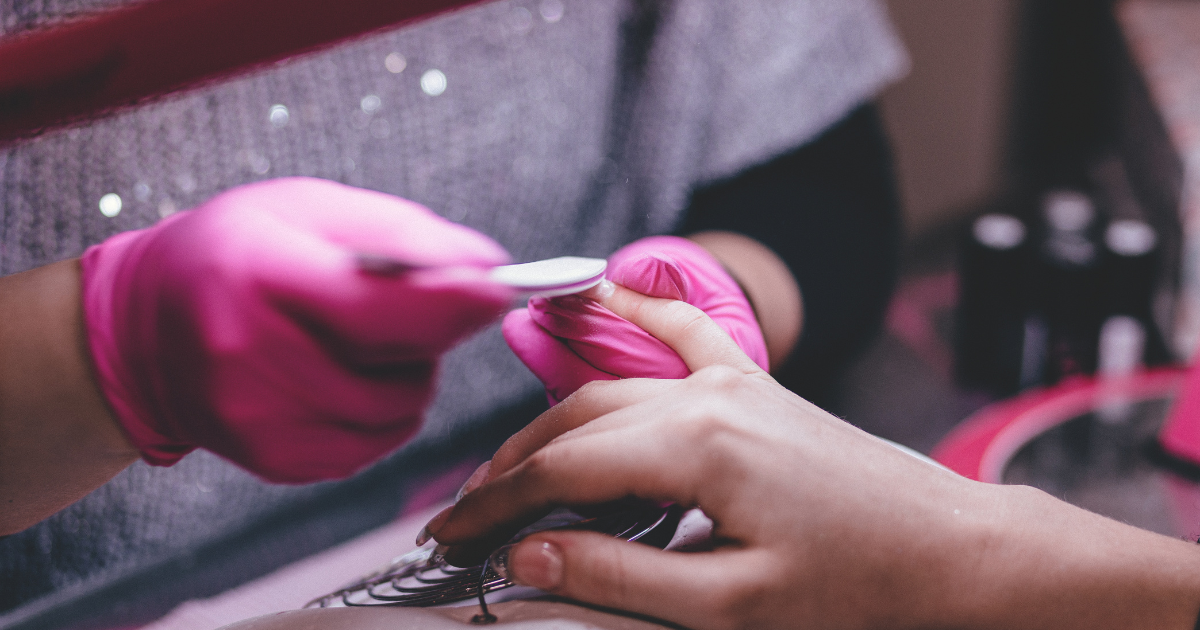
An express manicure generally prioritizes the essentials, such as nail shaping, cuticle cleanup, and polish. An express pedicure can provide similar maintenance for the feet while adding basic heel care and exfoliation. These options work well for clients who want a refreshed appearance but do not need an extended spa experience.
Focused appointments can be particularly useful before:
- A professional meeting or presentation
- A weekend trip or vacation
- A wedding or special event
- A seasonal polish change
- A regular maintenance appointment
Efficiency should not mean that the service feels rushed. The strongest express experiences use a well-defined process, appropriate appointment length, and clear communication about what is included.
Spa Manicures Turn Maintenance Into an Experience
At the other end of the menu, spa manicures and pedicures give guests more time to relax. These appointments may incorporate exfoliation, massage, heated towels, aromatic products, or masks in addition to traditional nail grooming.
This reflects a broader business trend: consumers often evaluate a service by the full experience surrounding the result. The atmosphere, pace, product selection, and interaction with the provider can be as memorable as the final polish color.
Salon Secrets Spa offers several spa manicure and pedicure variations, including classic, Lavender Stress Fix, Rosemary Mint, and men’s options. The menu also includes an anti-aging manicure designed to address the appearance of the hands through exfoliating and moisturizing products.
These variations allow the basic manicure or pedicure to serve different preferences without changing its core purpose. A guest may choose an energizing aroma, a calming experience, or a treatment focused on the appearance and feel of dry hands.
Customization Creates a More Relevant Appointment
Add-on services are another form of personalization. Instead of requiring every client to book the most extensive appointment, a salon can offer targeted enhancements that complement the selected manicure or pedicure.
Hand masks, hydrating treatments, plant-based peels, polish upgrades, and nail repairs can address a specific concern while keeping the rest of the appointment familiar. This modular approach benefits clients because they pay attention to the features that matter to them rather than receiving extras they may not want.
Useful questions to ask before selecting an enhancement include:
- Is the goal hydration, exfoliation, relaxation, or longer-lasting color?
- Is the natural nail currently thin, peeling, or sensitive?
- Will the polish need to last through travel or a special event?
- Does the client prefer a natural finish or a highly polished look?
- Are there allergies or sensitivities the technician should know about?
Clear answers help the nail professional recommend appropriate options without overwhelming the client.
Extended-Wear Polish Has Changed Maintenance Planning
Traditional polish remains useful because it offers variety and relatively simple removal. Extended-wear systems such as Shellac appeal to clients who want a finish designed to remain glossy and resist ordinary chipping for longer than conventional polish.
The choice should be based on lifestyle and maintenance preferences. Someone who changes color frequently may favor traditional polish, while a client preparing for a long trip may value an extended-wear option.
Removal is part of that decision. Picking, peeling, or aggressively scraping product from the nail can damage the surface. Clients should follow the recommended removal process and tell the technician about previous sensitivity or nail damage.
The American Academy of Dermatology advises keeping nails clean and dry, protecting them during prolonged water exposure, and avoiding the removal of cuticles. It also recommends seeking medical attention when nails become painful, swollen, or noticeably changed.
Nail Care Is More Than Selecting a Color
Color often receives the most attention, but preparation is central to a professional-looking manicure or pedicure. Shaping creates a balanced outline, careful cuticle care produces a cleaner finish, and gentle buffing can smooth minor surface irregularities.
A good nail appointment should also respect the natural nail and surrounding skin. Cuticles help protect the area where new nail growth begins, so they should not be treated as unnecessary tissue to remove aggressively.
Clients can support their results between visits by following several simple habits:
- Moisturize hands and cuticles regularly.
- Wear gloves when cleaning or washing dishes.
- Avoid using fingernails to open containers or scrape surfaces.
- File snags promptly instead of pulling them.
- Wear shoes that do not place repeated pressure on the toenails.
- Schedule professional removal for products that require soaking.
These practices may not feel innovative, but they improve the value of professional services by helping the results remain presentable between appointments.
Safety and Cleanliness Support Customer Confidence
Innovation in personal-care businesses must include safe operating practices. Product handling, ventilation, workstation cleanliness, and proper disinfection all contribute to a professional nail environment.
The U.S. Environmental Protection Agency provides guidance for nail salons covering ventilation, chemical handling, protective equipment, product information, and more efficient workplace practices. These considerations help protect both service providers and guests.
Clients also have a role in communicating relevant health information. Open cuts, suspected infections, painful swelling, or unusual nail discoloration should not be hidden beneath polish. A nail technician can provide cosmetic care, but persistent or concerning symptoms belong with a qualified healthcare professional.
A Planet-Conscious Approach Adds Business Value
Environmental awareness is influencing purchasing decisions across the beauty industry. Clients increasingly pay attention to the products a salon uses, how waste is managed, and whether the business makes thoughtful operational choices.
Salon Secrets Spa identifies itself as a full-service Aveda concept salon and describes its nail environment as planet-friendly. This positioning connects the nail experience with the salon’s broader identity rather than treating it as an isolated department.
For a beauty business, consistency matters. When product selection, service language, atmosphere, and customer care reflect the same values, the brand becomes easier to understand. Guests know what kind of experience to expect, regardless of whether they book a manicure, hair appointment, facial, or massage.
Integrated Beauty Services Simplify Event Preparation
A full-service salon and spa can also simplify planning for weddings, celebrations, vacations, and other important occasions. Hair, skincare, makeup, waxing, massage, and nail appointments can be coordinated within one business instead of managed across several providers.
This integrated model creates practical advantages. Appointment timing can be planned more carefully, beauty professionals can understand the overall goal, and clients spend less time searching for separate businesses.
For event nails, clients should schedule with enough time to discuss shape, color, finish, and durability. Bringing inspiration photos can help, but the final choice should also account for nail length, natural condition, clothing colors, and the activities planned around the event.
The Future of Nail Care Is Flexible
The most meaningful changes in nail care are not limited to new colors or decorative techniques. They involve creating a better service model—one that offers clear choices, respects the client’s time, supports healthy nail-care habits, and turns routine maintenance into an experience worth repeating.
Express appointments, spa rituals, extended-wear finishes, targeted enhancements, and coordinated salon services each answer a different need. Their value comes from giving clients the ability to build an appointment around real-life priorities.
For salons, this flexible approach strengthens the customer relationship. For clients, it makes nail care easier to understand and more personally relevant. That combination of thoughtful service design and individualized attention is what continues to move the modern nail salon experience forward.