Beyond 20/20: Eye Doctor in San Juan Capistrano, CA
An eye doctor in San Juan Capistrano, CA can evaluate more than the smallest letters a patient can read by examining eye health, focusing, coordination,…

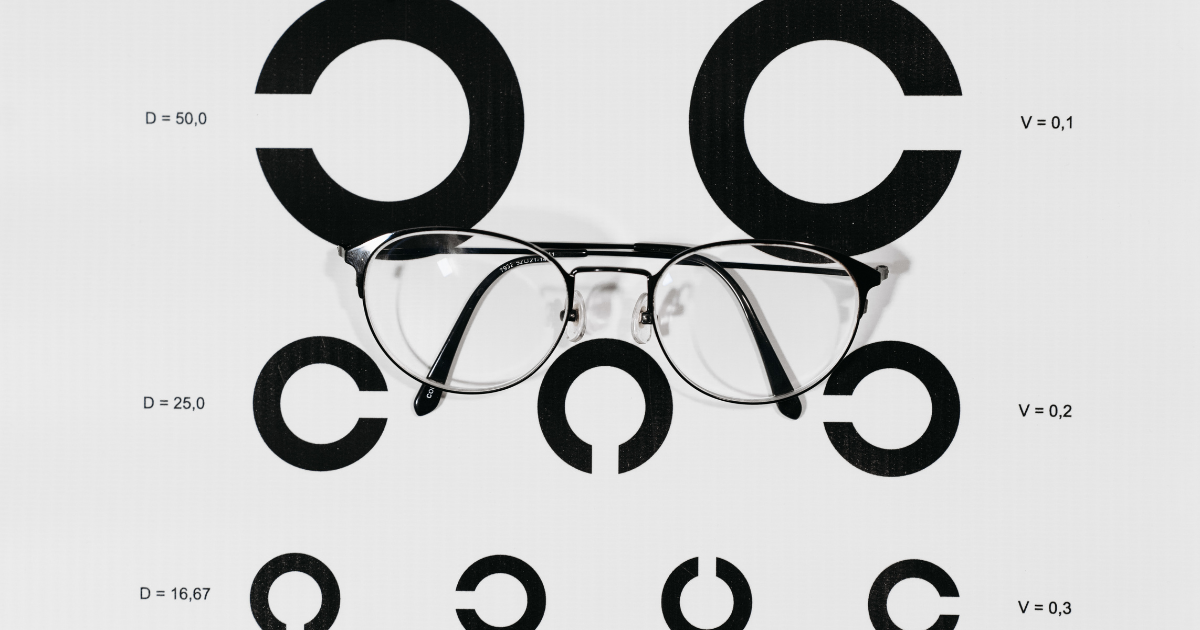
An eyeglass exam in Los Angeles, CA provides the measurements and professional guidance needed to turn changing vision into a practical prescription for work, reading, driving, and everyday life.
Modern eyeglasses are highly personalized tools. Although two people may experience similar blurry vision, they may require completely different prescriptions, lens designs, and frame adjustments. The clearest result comes from examining how each person sees, how the eyes work together, and how vision is used throughout the day.
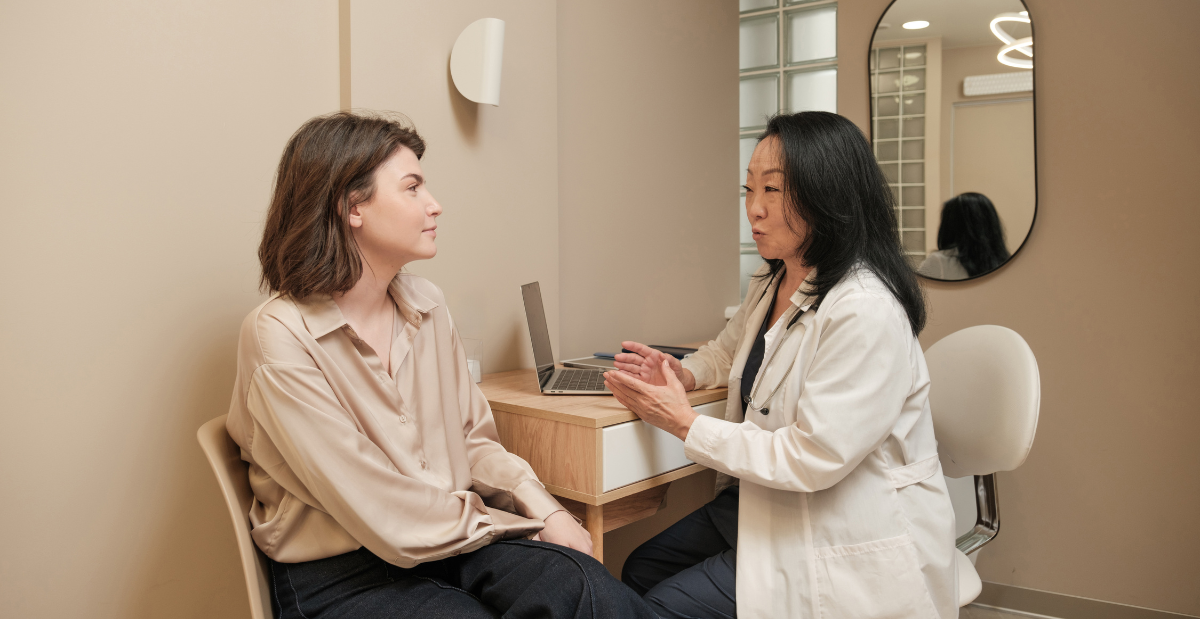
Technology has made this process faster and more precise, but instruments are only part of the experience. A useful examination still depends on communication between the patient and optometrist. Measurements identify possible corrections, while conversation helps determine which solution will be comfortable and practical outside the exam room.
Blurred vision frequently results from a refractive error. This occurs when the shape of the eye prevents light from focusing properly on the retina. The National Eye Institute identifies four common refractive errors: nearsightedness, farsightedness, astigmatism, and presbyopia.
Each condition affects vision differently. Nearsightedness usually makes distant objects appear blurry, while farsightedness can make close work difficult. Astigmatism may distort vision at multiple distances, and presbyopia gradually reduces the ability to focus up close as people age.
A prescription must account for these differences rather than simply making everything stronger. Too much or too little correction can create discomfort, and a prescription that works well at one distance may not address another person’s daily needs. Accurate measurements give the optometrist a reliable foundation for recommending appropriate lenses.
An eyeglass exam typically begins with a discussion of the patient’s vision, current glasses, health history, and symptoms. This conversation provides context for the measurements that follow. Someone who drives extensively at night may have different concerns from a person who spends most of the day viewing a computer at arm’s length.
The optometrist may then evaluate visual acuity, focusing ability, eye coordination, and refractive error. The familiar process of comparing lens choices helps refine the prescription. Patients may be asked whether one option appears clearer, sharper, or more comfortable than another.
Depending on the purpose and scope of the appointment, testing may include:
The American Academy of Ophthalmology provides an overview of the tests that may be included in an eye examination. The exact process can vary according to the patient’s age, symptoms, medical history, and the optometrist’s findings.
Digital instruments can help optometrists gather and compare vision measurements efficiently. For example, a digital phoropter can move between lens combinations without requiring the examiner to change every lens manually. This makes it easier to compare a patient’s current prescription with a possible update.
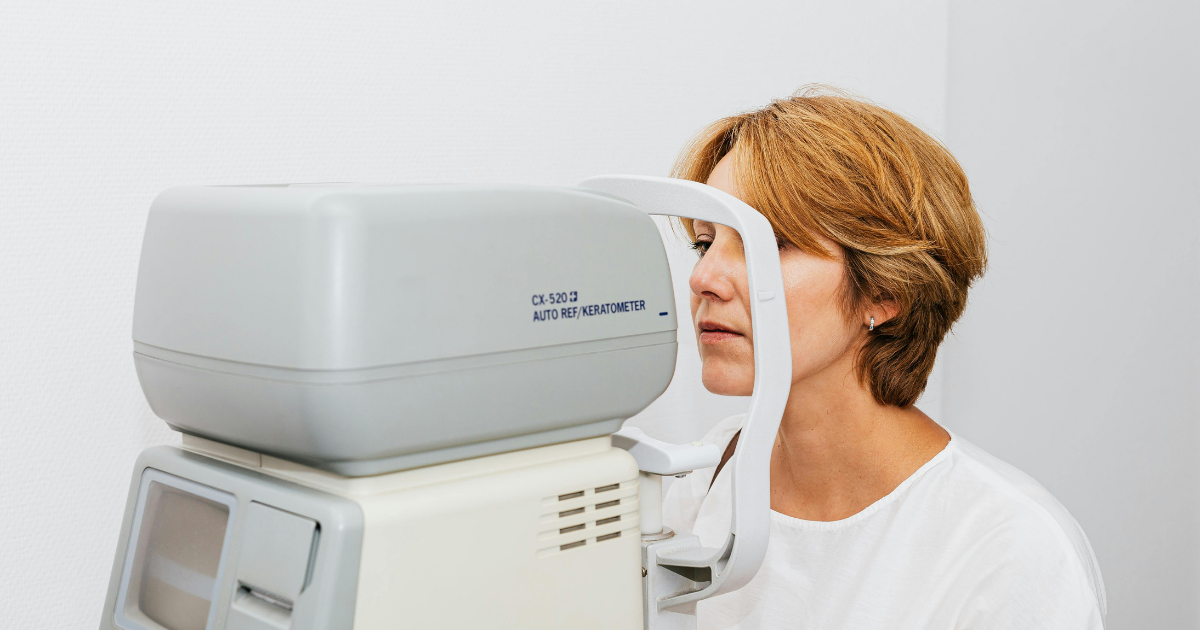
Automated equipment may also provide objective measurements before the subjective portion of the exam. These readings serve as a starting point, but they do not replace the patient’s responses. The final prescription requires interpretation because comfort and clarity cannot be determined by a machine alone.
Vision measurements must be considered alongside real-life visual demands. A small prescription change may be helpful for one patient but unnecessary for another. The optometrist evaluates whether the measured difference is meaningful and how it could affect daily activities.
This professional interpretation is especially valuable for patients with astigmatism, significant differences between the eyes, progressive lenses, or difficulty moving between viewing distances. The most advanced equipment is useful when it supports thoughtful clinical decisions rather than being treated as an answer by itself.
Vision often changes slowly. People may compensate by squinting, moving closer to objects, increasing screen magnification, or avoiding activities that have become uncomfortable. Because these adjustments happen gradually, it is possible to overlook the need for an updated examination.
Common reasons to schedule an eyeglass exam include:
The Centers for Disease Control and Prevention emphasizes that eye examinations are valuable at every stage of life. They can identify a need for vision correction and may also help detect eye conditions before noticeable symptoms appear.
Not every symptom is caused by an outdated prescription. Sudden vision loss, flashes of light, new floaters, eye pain, double vision, or substantial redness should receive prompt professional attention rather than waiting for a routine eyewear appointment.
Modern work has expanded the number of distances people must see clearly. During a normal day, someone may move between a smartphone, laptop, desktop monitor, television, printed documents, and road signs. A prescription designed only around the examination chart may not address every visual demand equally.
Patients should tell their optometrist how many hours they spend using screens, the distance to their primary monitor, and when discomfort begins. These details can help determine whether standard glasses, reading glasses, progressive lenses, or computer-specific eyewear may be appropriate.
Prescription lenses are only one part of managing screen-related discomfort. Lighting, glare, posture, font size, viewing distance, and work habits can also affect how the eyes feel. The Occupational Safety and Health Administration offers workstation guidance addressing monitor placement, lighting, and other environmental factors.
An eyeglass exam focuses on measuring vision and determining an appropriate prescription. A comprehensive eye-health examination can include additional testing to evaluate the structures and function of the eyes. Patients should ask what their appointment includes so they understand whether it is prescription-focused, comprehensive, or combined with dilation.
Dilation widens the pupils and allows the optometrist to examine more of the inside of the eye. According to the National Eye Institute’s dilated eye exam guide, this examination can help detect conditions such as diabetic retinopathy, glaucoma, cataracts, and age-related macular degeneration.
How often dilation or other health testing is needed depends on factors such as age, medical history, family history, symptoms, and risk of eye disease. The appropriate schedule should be discussed with an eye-care professional.
Good preparation can help the optometrist understand the patient’s concerns and make useful prescription comparisons. Instead of relying on memory, patients can bring the glasses they currently use and a short list of situations in which vision feels unclear or uncomfortable.
Helpful items and information include:
Specific descriptions are more useful than simply saying that vision seems blurry. Patients can explain whether the problem occurs while driving, reading fine print, using a computer, recognizing faces, or moving between distances. This information helps connect clinical measurements with everyday performance.
An accurate prescription is essential, but it is not the only factor that determines how glasses perform. Frame fit, lens material, optical measurements, and fabrication quality all influence the finished result.
Frames should remain stable and position the lenses correctly in front of the eyes. Precise fitting is particularly important for progressive lenses, strong prescriptions, and specialized lens designs. If a frame continually slides or sits unevenly, the wearer may not look through the intended areas of the lenses.
Lens recommendations should also reflect how the glasses will be used. Someone who needs durable everyday eyewear may have different priorities from a patient seeking lightweight lenses, computer glasses, prescription sunglasses, or multifocal correction.
Eye Geeks Doctors of Optometry combines digital prescription testing with personalized eyewear guidance at its Downtown Los Angeles practice. Its eyeglass-exam service uses an advanced digital phoropter to compare existing and potential prescriptions, while traditional trial frames can provide an additional real-world comparison. The practice also has an on-site optical lab and indicates that same-day glasses may be available for common prescriptions.
After completing an eye examination, patients should receive a copy of their eyeglass prescription. The Federal Trade Commission’s Eyeglass Rule requires optometrists and ophthalmologists to provide this prescription without charging an additional fee for the copy.
Keeping previous prescriptions can also make it easier to track changes over time. Patients should still confirm that a prescription is current before ordering replacement eyewear.
The value of a modern eyeglass exam comes from connecting accurate measurements with the realities of daily life. Digital technology can make comparisons more efficient, but personalized questions and professional interpretation determine how those measurements become useful eyewear.
Patients can improve the process by describing their visual environment, bringing current glasses, and asking what testing is included. When the prescription, lens design, frame fit, and intended use are considered together, eyeglasses become more than a correction for an eye chart. They become a carefully planned tool for comfortable vision throughout the day.