Beyond 20/20: Eye Doctor in San Juan Capistrano, CA
An eye doctor in San Juan Capistrano, CA can evaluate more than the smallest letters a patient can read by examining eye health, focusing, coordination,…

An eye doctor in San Juan Capistrano, CA can evaluate more than the smallest letters a patient can read by examining eye health, focusing, coordination, visual comfort, and everyday demands.
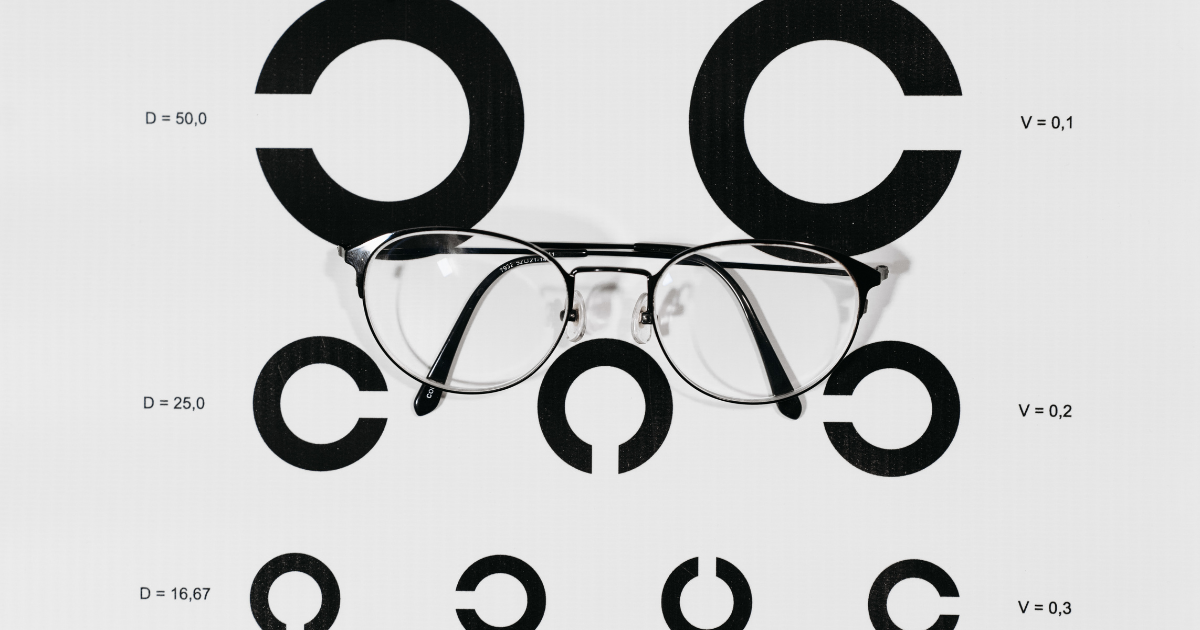
For generations, the eye chart has represented the entire optometry experience in the public imagination. It remains a useful tool, but modern eye care extends far beyond identifying whether distant letters appear clear.
A person can achieve 20/20 visual acuity and still experience headaches, tired eyes, difficulty focusing, double vision, dry-eye symptoms, or discomfort during close work. This has encouraged optometry practices to combine traditional examination methods with digital diagnostics, detailed symptom histories, and more personalized recommendations.
Visual acuity describes how clearly a person can see details at a standardized distance. It does not represent every part of visual function or confirm that the eyes are healthy.
A comprehensive examination may evaluate:
The specific tests depend on the patient’s age, symptoms, medical history, family history, and previous findings. Modern equipment can gather detailed measurements, but the optometrist must interpret those results as part of a larger clinical picture.
Refraction determines the lens powers that can improve clarity. It addresses refractive errors, which occur when the shape of the eye prevents light from focusing properly on the retina.
The National Eye Institute identifies nearsightedness, farsightedness, astigmatism, and presbyopia as the most common types. Eyeglasses or contact lenses can redirect light so that it focuses more accurately.
Producing the final prescription requires more than accepting an automated measurement. The optometrist considers the patient’s responses, current correction, visual habits, and ability to adapt to a change.
A software developer using several monitors may have different needs from a delivery driver, musician, student, or person who spends most of the day reading. The same prescription can also be translated into different lens designs depending on working distance and lifestyle.
Each eye captures its own view of the world. The brain must combine those views into a useful visual experience, while the eyes continuously adjust their position and focus.
When eye coordination or focusing is inefficient, a person may experience symptoms during reading, computer work, driving, or other visually demanding activities. Possible symptoms include headaches, tired eyes, intermittent blur, double vision, losing place while reading, or difficulty sustaining close work.
Convergence insufficiency is one example of a binocular vision problem. The National Eye Institute explains that it affects the ability of the eyes to work together when viewing nearby objects. A person can have clear visual acuity and still experience convergence difficulty.
These symptoms can also have causes unrelated to vision. A detailed history and appropriate examination are important because an online checklist cannot establish a diagnosis.
When symptoms suggest a possible eye-coordination problem, an optometrist may evaluate alignment, eye movement, focusing, posture, balance, or other relevant factors. The exact testing depends on the practice and the patient’s presentation.
Objective measurements can help document small alignment differences, but numbers do not automatically explain every headache, episode of dizziness, or reading complaint. Findings must be interpreted carefully, and patients may need referral to another health-care professional when symptoms fall outside the scope of optometry.
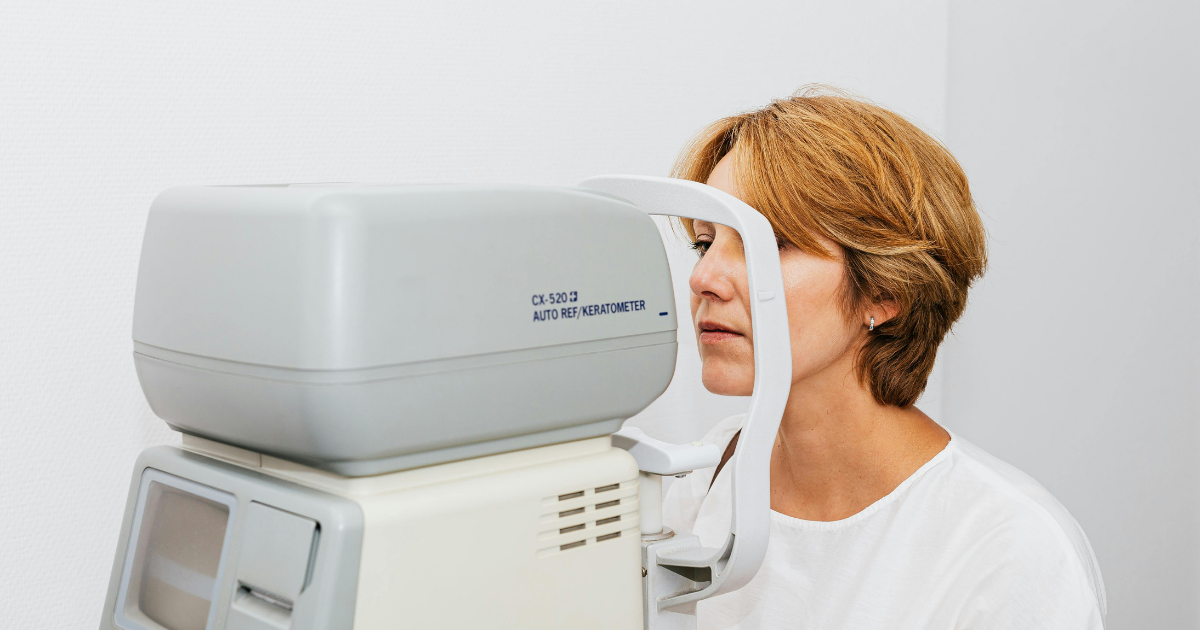
Modern instruments can capture information that is difficult to communicate through words alone. Digital retinal images, corneal measurements, visual-field results, and tear-film assessments can help the doctor document current findings and compare them during future visits.
This does not mean every patient needs every available scan. Testing should be selected because it answers a relevant clinical question, not simply because the instrument is new.
The greatest advantage of digital documentation is continuity. When a doctor can compare images and measurements over time, it may become easier to identify meaningful change rather than relying only on memory or a single examination.
Dilating drops temporarily enlarge the pupils, providing a broader view of internal structures such as the retina and optic nerve. Dilation can help identify signs of diseases that may not affect vision during their early stages.
The National Eye Institute’s dilated eye exam guide explains that dilation may assist with detecting glaucoma, diabetic retinopathy, cataracts, and age-related macular degeneration.
Dilation is not required at every appointment. The decision should reflect factors such as age, symptoms, medical conditions, family history, and previous findings. Patients can ask whether dilation is expected because the drops may temporarily cause light sensitivity and blurred near vision.
The eyes contain blood vessels and neural tissue that can reflect changes associated with systemic health. An optometrist may observe findings that warrant communication with a primary-care physician or another specialist.
The Centers for Disease Control and Prevention notes that comprehensive eye examinations may reveal signs associated with conditions such as diabetes and high blood pressure.
An eye examination does not replace a physical examination, laboratory testing, or care from the appropriate medical provider. Its value lies in adding another source of information and creating an opportunity for coordinated follow-up.
Patients should provide an accurate list of medications, medical conditions, surgeries, and significant family history. This information can influence both the interpretation of findings and the recommended examination schedule.
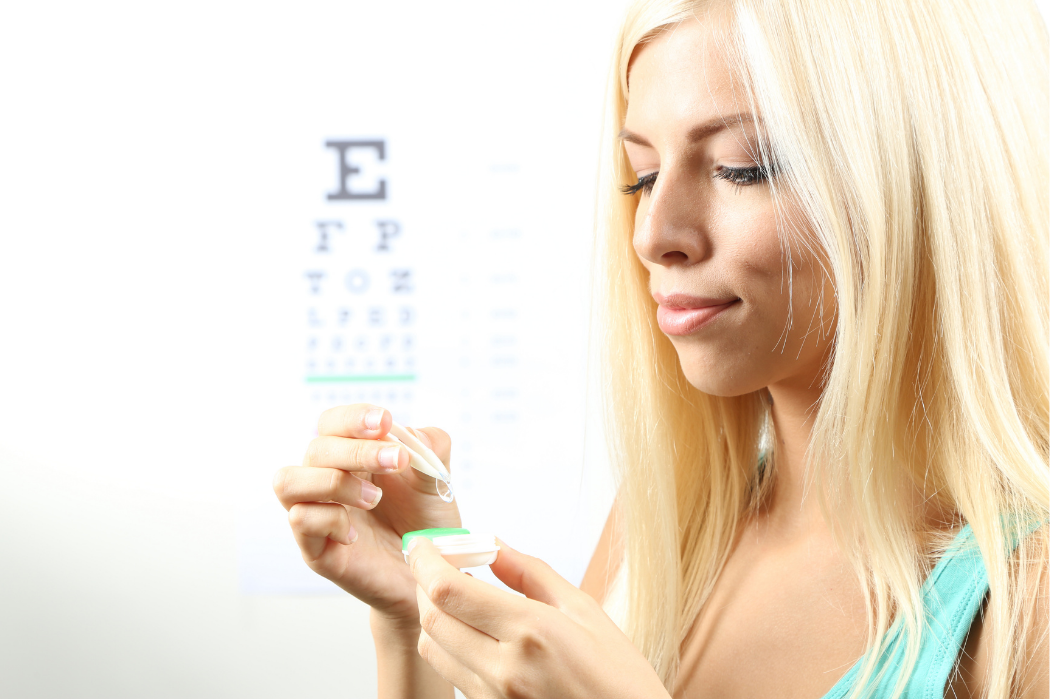
Contact lenses are not simply miniature eyeglasses. Because they rest directly on the ocular surface, their material, diameter, curvature, movement, replacement schedule, and wearing time must be considered.
A contact lens evaluation may assess:
The U.S. Food and Drug Administration advises contact lens wearers to follow professional cleaning and replacement instructions, wash their hands before handling lenses, and remove the lenses if redness, pain, itching, or a vision change occurs.
Contact lens technology continues to expand, but appropriate fitting and follow-up remain essential. A lens that initially feels comfortable may not perform the same way after a full workday.
An accurate prescription is only the first step toward successful glasses. Frame fit, lens design, optical measurements, material, and fabrication quality all affect the finished result.
Modern optical care increasingly considers both performance and personal style. A frame should suit the wearer’s face and preferences while remaining stable enough to keep the lenses correctly positioned.
This is especially important for progressive lenses, strong prescriptions, and customized designs. If a frame constantly slides or sits unevenly, the wearer may not look through the intended areas of the lenses.
Digital records can make prescriptions easier to retrieve, but patients should still retain their own copies. The Federal Trade Commission’s Eyeglass Rule requires prescribers to provide a copy of an eyeglass prescription after the examination without charging an extra fee for that copy.
Keeping previous prescriptions can also help patients understand how their correction has changed over time. They should still confirm that a prescription is current before ordering new eyewear.
The most advanced examination loses value when patients leave without understanding the findings. Clear explanations allow people to participate in decisions about glasses, contacts, follow-up testing, and treatment.
A useful conversation should answer:
Education also helps set realistic expectations. No single lens, treatment, or device is appropriate for every person. Explaining both benefits and limitations builds more trust than presenting technology as a universal solution.
What a Spectacle Optometry provides personalized optical and medical eye care for patients of different ages in San Juan Capistrano. Its services include annual eye exams, pediatric care, contact lens evaluations, diabetic eye exams, dry-eye care, myopia management, urgent eye care, LASIK co-management, and assessment of binocular vision concerns.
The practice also offers NeuroVisual examinations for patients whose symptoms may involve small eye-alignment differences. Its optical boutique provides custom-fit glasses and frame styling based on the patient’s prescription, fit requirements, and preferences.
The office is located at 27221 Ortega Highway, Unit F, in San Juan Capistrano.
Modern optometry can measure more aspects of vision and eye health than a standard eye chart can show. Digital imaging, specialized functional testing, detailed refraction, and advanced lens designs provide more information and more options.
Yet the central role of the optometrist remains unchanged. Technology must be interpreted in the context of the patient’s symptoms, medical history, daily activities, and clinical findings.
The future of eye care is not a machine replacing a conversation. It is better information supporting a more informed conversation—one that looks beyond 20/20 vision and considers how the eyes function in the real world.