Beyond 20/20: Eye Doctor in San Juan Capistrano, CA
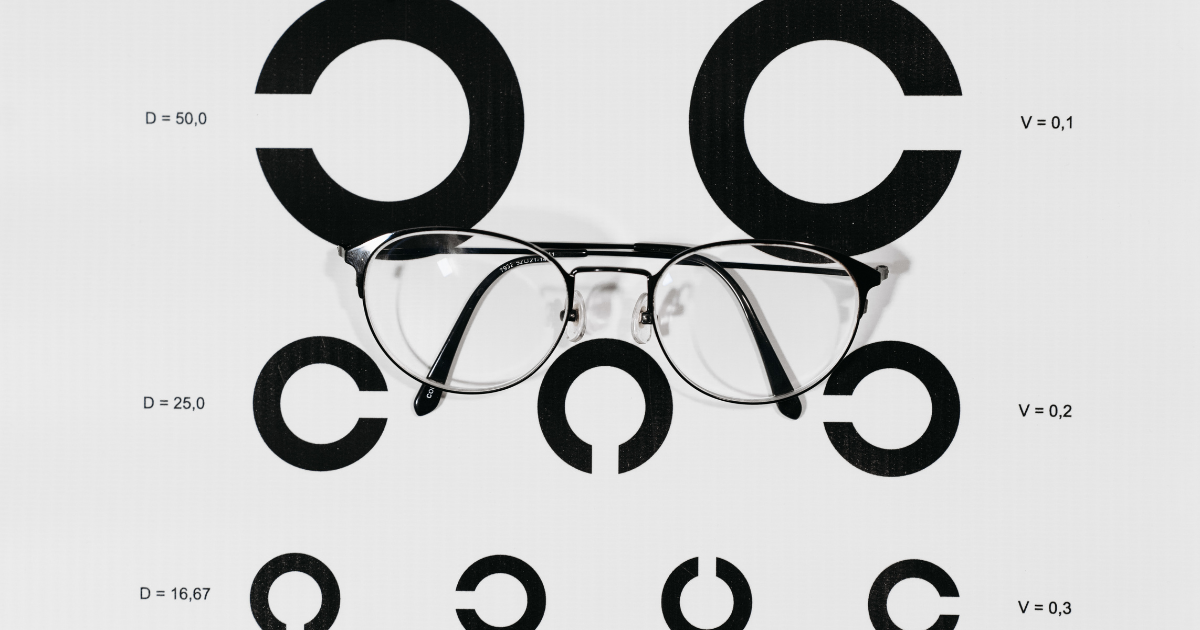
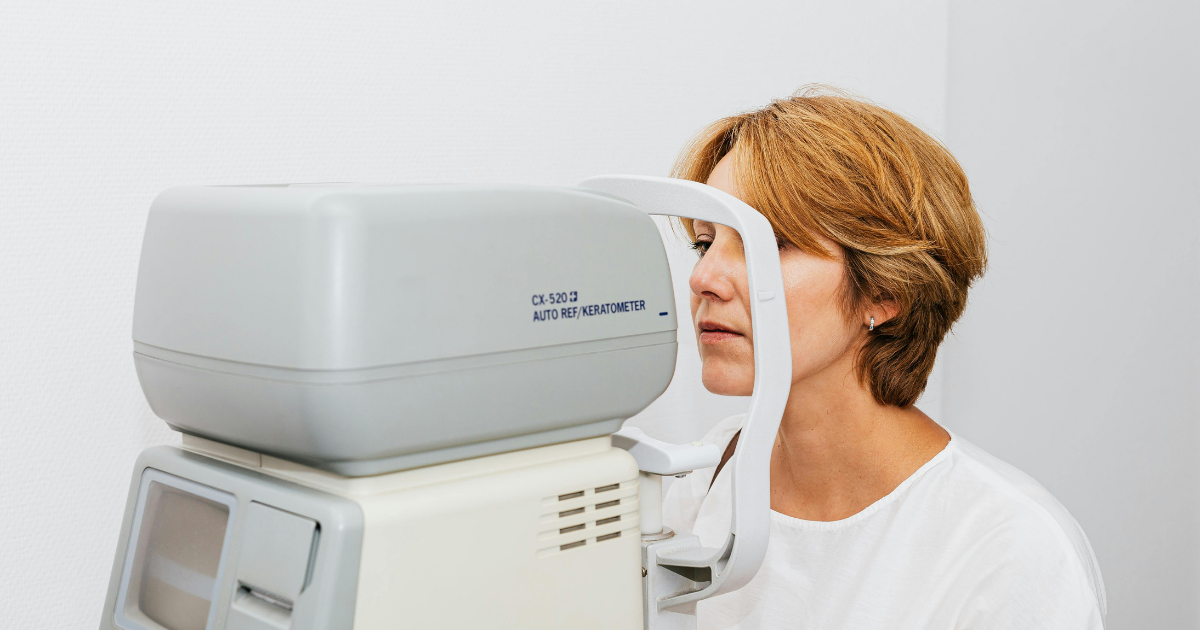
An eye doctor in San Juan Capistrano, CA can evaluate more than the smallest letters a patient can read by examining eye health, focusing, coordination,…

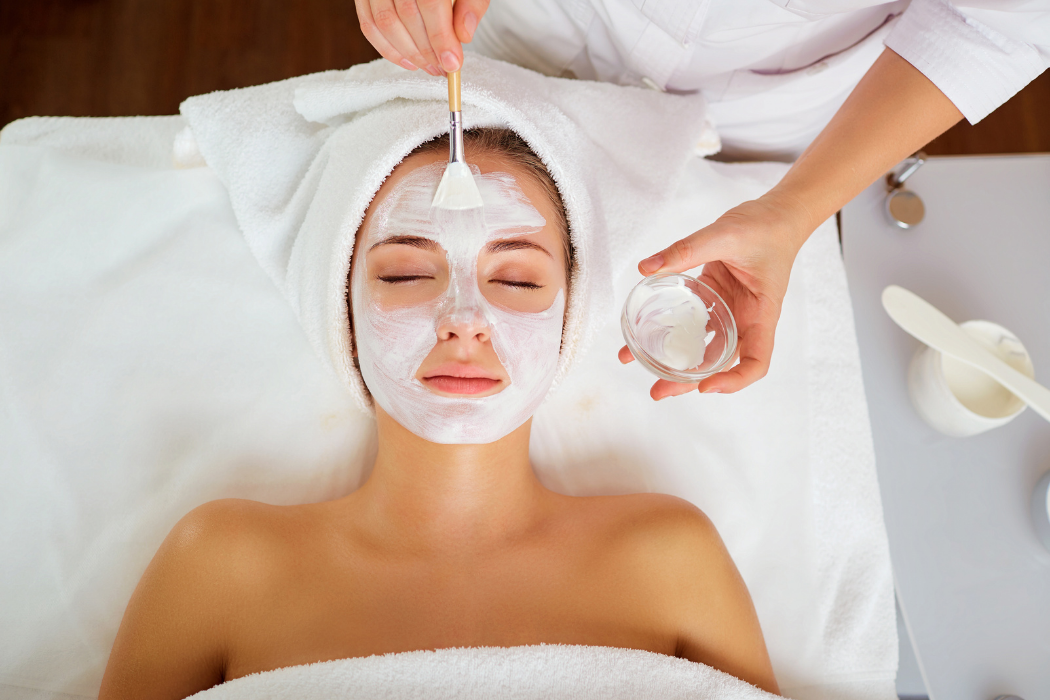
A Hair salon offers a useful model for understanding business innovation because its success depends on combining technical expertise, personal trust, and carefully designed operations.
Innovation in a personal service business rarely means replacing people with machines. Customers still want a professional who listens, exercises judgment, and adapts the service to their needs. Technology becomes valuable when it reduces confusion, supports employees, and makes the experience more consistent.
Salons, spas, wellness studios, and similar businesses can therefore innovate by improving the connections between discovery, consultation, service delivery, aftercare, and the next visit. The goal is not simply to complete more transactions. It is to make each interaction more useful for both the customer and the business.
A large service menu demonstrates capability, but it can also make the first decision more difficult. New customers may not understand the difference between partial highlights and balayage, a gloss and permanent color, or various extension methods.
The challenge is not a lack of options. It is a lack of context. The U.S. Small Business Administration recommends direct research methods such as surveys and interviews to understand what customers need and how they experience a business.
A service company can use this principle to organize its menu around customer goals. Instead of expecting visitors to interpret technical terminology, it can help them begin with questions such as:
Clear pathways help customers arrive better prepared while leaving the final recommendation to a trained professional.
Personal services depend partly on compatibility. Two qualified professionals may have different specialties, communication styles, schedules, or approaches to consultation. A customer who feels understood is more likely to explain concerns honestly and follow maintenance guidance.
A digital questionnaire can narrow the choices by asking about goals, preferred atmosphere, service interests, and communication preferences. It should not claim to predict perfect compatibility. Its purpose is to make discovery easier and direct the customer toward a reasonable starting point.
The same principle applies to artificial intelligence and automated recommendation tools. The SBA’s guidance on AI for small businesses advises testing whether a tool adds genuine value and having a person review AI-generated work.
For a salon, automation may help organize inquiries, identify common questions, or suggest an appropriate service category. It should not independently assess hair condition, promise a specific result, or replace an in-person consultation when technical judgment is necessary.
Standardization and personalization are often treated as opposites. In a well-run service business, they support each other.
The final haircut, color plan, extension placement, or skin care service may be customized. However, the underlying process can still include consistent checkpoints:
This structure reduces avoidable misunderstandings without turning the interaction into a script. Professionals can spend less time reconstructing basic information and more time applying their expertise.
Online booking and intake tools can reduce telephone traffic and allow customers to act outside business hours. Yet a digital system is only convenient when people can understand and use it.
Service names should be written clearly, preparation instructions should be easy to locate, and forms should explain why information is requested. Customers also need a human contact option when they are unsure which service to select.
Accessibility is part of this design work. The U.S. Department of Justice provides guidance on web accessibility for businesses open to the public. Readable contrast, descriptive headings, keyboard-friendly forms, alternative text, and clear error messages can make digital services usable by more people.
Businesses should also protect the information collected through booking systems, loyalty programs, consultation forms, and marketing platforms. The National Institute of Standards and Technology offers cybersecurity resources specifically for small businesses. Practical safeguards include unique accounts, multifactor authentication, updated software, controlled employee access, and reliable backups.
New services and products can expand a salon’s capabilities, but every addition creates operational questions. Employees need to understand ingredients, application instructions, storage requirements, ventilation, sanitation, and what to do when a reaction or spill occurs.
The Occupational Safety and Health Administration provides specific guidance for protecting salon workers when products may contain or release formaldehyde. Its information addresses labels, safety data sheets, training, protective equipment, ventilation, and exposure controls.
Hair color services also require responsible product use and communication. The U.S. Food and Drug Administration’s hair dye safety information discusses following label directions, patch testing instructions, and reporting adverse reactions.
A business should evaluate innovation with more than a revenue question. Before adding a service, leadership should ask:
A disciplined launch protects customers, employees, and the reputation of the business.
Personal service companies cannot scale quality through software alone. Their capacity depends on the knowledge, judgment, and confidence of the people performing the work.
The U.S. Bureau of Labor Statistics describes the education, licensing, and work responsibilities associated with cosmetology careers. Formal credentials establish a foundation, but learning continues as techniques, products, client expectations, and safety practices change.
Useful development systems may include observation, supervised practice, model work, technical classes, consultation coaching, service reviews, and clearly defined advancement criteria. Senior team members can explain not only how they perform a technique but also how they decide whether it is appropriate.
This approach helps a business develop talent internally and reduces dependence on a small number of experienced employees. Customers benefit because standards are shared across the team even when individual style and creativity remain visible.
Customer feedback should influence more than marketing. Recurring questions may reveal an unclear service description. Repeated scheduling problems may show that the allotted service time is unrealistic. Praise for a particular consultation practice may identify a behavior worth teaching throughout the company.
Reviews must be collected and presented honestly. The Federal Trade Commission’s consumer review and testimonial guidance explains rules concerning fake reviews, purchased sentiment, and misleading testimonial practices.
A useful monthly review process can examine:
This information helps management distinguish isolated comments from patterns that deserve an operational response.
Located at 1397 Kass Circle in Spring Hill, Florida, Nikkole Michaels Salon & Spa demonstrates several elements of a connected personal service model.
Its published offerings include haircuts, styling, highlights, balayage, color, keratin treatments, and hair extensions. The broader salon and spa menu includes facials, nail services, waxing, brow and lash services, permanent makeup, microblading, and makeup application.
The business also provides an online matchmaking survey intended to connect guests with a beauty professional based on their goals, style, and preferences. This is a practical example of digital technology supporting the first stage of a personal relationship rather than attempting to replace it.
A broad menu can be convenient for customers, but it also makes internal coordination important. Accurate scheduling, specialty-based matching, consistent consultations, clear service records, and staff development help multiple offerings function as one experience.
Florida consumers who want to research professional credentials can use the state’s official Department of Business and Professional Regulation license-verification service.
The strongest innovations in personal service businesses are often quiet. They appear as a better match, a clearer explanation, a safer process, a more confident employee, or a customer who knows exactly what to do next. Technology can support each improvement, but thoughtful human judgment is what turns it into lasting value.