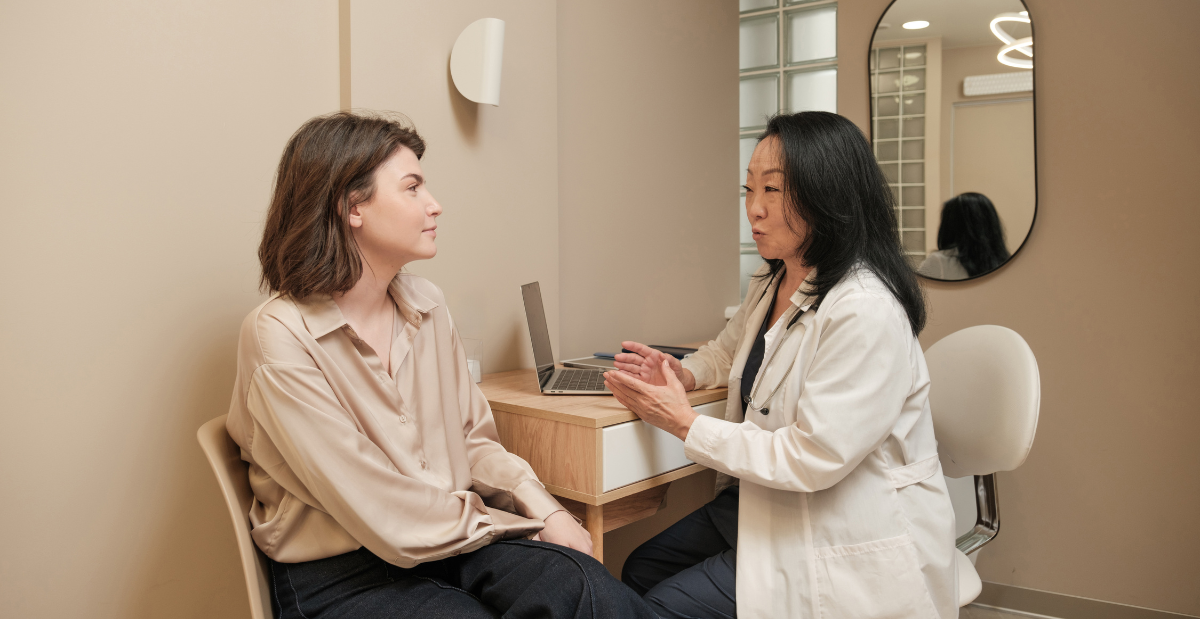
Beyond 20/20: Eye Doctor in San Juan Capistrano, CA
An eye doctor in San Juan Capistrano, CA can evaluate more than the smallest letters a patient can read by examining eye health, focusing, coordination,…


An Optometrist can now draw on detailed imaging, digital records, specialized testing, and evolving clinical research to make eye care more personalized than a simple vision screening.
Innovation in healthcare is often presented as a parade of new machines. The more meaningful change, however, is not the equipment itself. It is the ability to combine better information with professional judgment, helping patients understand their risks and make timely decisions.
This shift is especially important in eye care. Clear vision does not always mean healthy eyes, and two people with similar prescriptions may require very different monitoring. Age, family history, medication use, chronic disease, childhood development, contact lens wear, and previous findings can all affect the care plan.
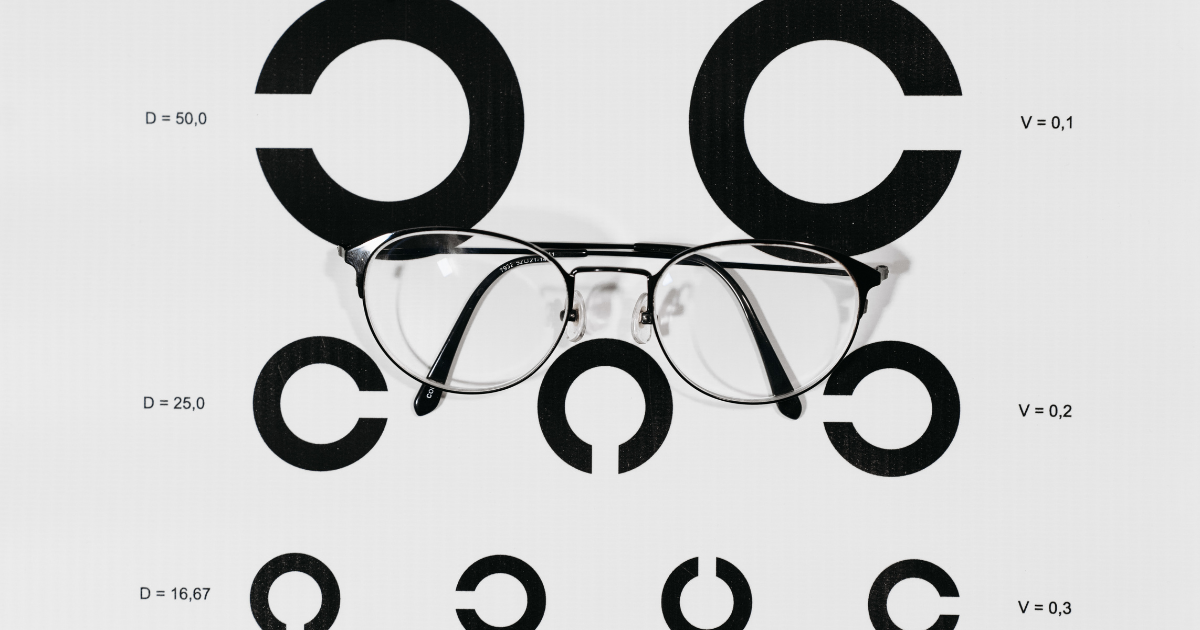
A traditional vision test asks how clearly someone can read letters at a distance. That remains useful, but it addresses only one part of the visual system.
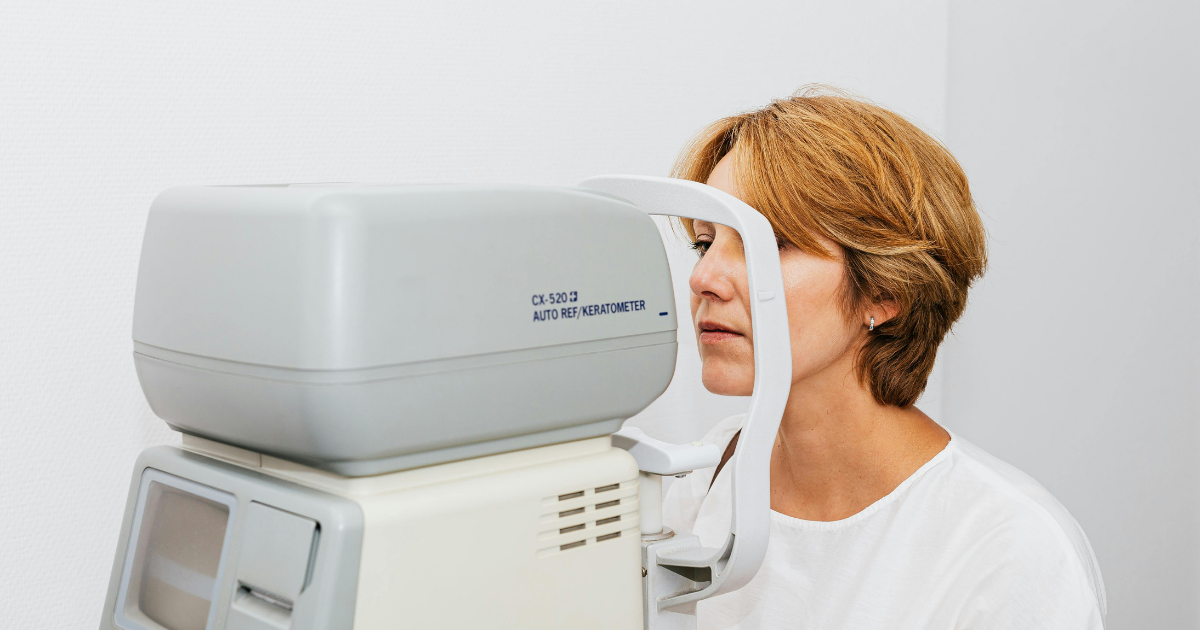
A comprehensive examination may also evaluate eye coordination, focusing ability, peripheral vision, eye pressure, the front surface of the eye, and internal structures. Depending on the patient’s needs, the doctor may recommend dilation or additional diagnostic testing.
The National Eye Institute’s guide to dilated eye exams explains that many eye diseases can develop without early warning signs. Dilation allows the clinician to examine areas behind the pupil that cannot be evaluated through a basic prescription check alone.
The practical innovation is a broader definition of value. An examination is no longer useful only when it produces new glasses. It can also establish a baseline, reveal a developing concern, or confirm that an existing condition remains stable.
Generic recommendations are easy to communicate, but they do not account for individual risk. A healthy young adult with no symptoms may not need the same testing schedule as someone with diabetes, a strong family history of glaucoma, or a rapidly changing prescription.
A more personalized approach considers:
This is why an appropriate examination interval should come from the clinician who knows the patient’s history. A calendar reminder can prompt care, but it cannot calculate risk on its own.
Modern diagnostic imaging can document structures that are difficult to describe through written notes alone. When clinically appropriate, images may help a doctor compare the retina, optic nerve, or other tissues over time.
Optical coherence tomography, commonly called OCT, is one example. It uses light to create detailed cross-sectional images of ocular tissue. The National Eye Institute describes OCT as a technology that has transformed eye care and continues to support new clinical and research applications.
The greatest value often comes from comparison. A single image shows how tissue appears today. A series of consistently captured images may help reveal whether a feature is stable or changing.
More testing is not automatically better, however. Each test should answer a clinical question. Patients can ask why imaging is being recommended, what the doctor is evaluating, and how the result could affect the care plan.
Artificial intelligence is beginning to assist with medical-image analysis, workflow management, and the recognition of patterns in large datasets. These systems may eventually help clinicians identify subtle findings or prioritize cases requiring closer attention.
That potential should be considered alongside appropriate caution. An algorithm may be affected by the data used to develop it, the quality of an image, the patient population, and the conditions under which it is deployed.
The FDA maintains information about authorized AI-enabled medical devices to improve transparency for healthcare professionals, patients, and technology developers. Authorization does not mean that every AI tool is suitable for every purpose or that human interpretation becomes unnecessary.
Responsible innovation keeps the doctor accountable for the final decision. Technology can organize information and highlight patterns, but it does not understand a patient’s complete experience unless that context is deliberately incorporated.
Screen-heavy work has created an unusual situation. People may spend more hours looking at nearby digital content than at almost anything else, yet device use is often discussed only in terms of screen time.
Visual comfort also depends on working distance, glare, lighting, font size, posture, blink rate, prescription accuracy, and the ability of the eyes to focus and coordinate. The American Optometric Association’s overview of digital eye strain describes problems associated with prolonged use of computers, phones, tablets, and other screens.
Before an examination, patients can record when symptoms begin and what makes them better or worse. Useful details include:
This information is more actionable than simply reporting that screens feel tiring. It helps the doctor distinguish among possible contributors and recommend appropriate changes.
Nearsightedness is not merely a question of replacing glasses whenever the prescription increases. When myopia begins in childhood, monitoring its progression can become part of a longer-term eye health strategy.
The National Eye Institute notes that children who spend more time outdoors are less likely to develop nearsightedness, although researchers are still studying the reasons. High myopia is also associated with greater risk of certain eye conditions later in life.
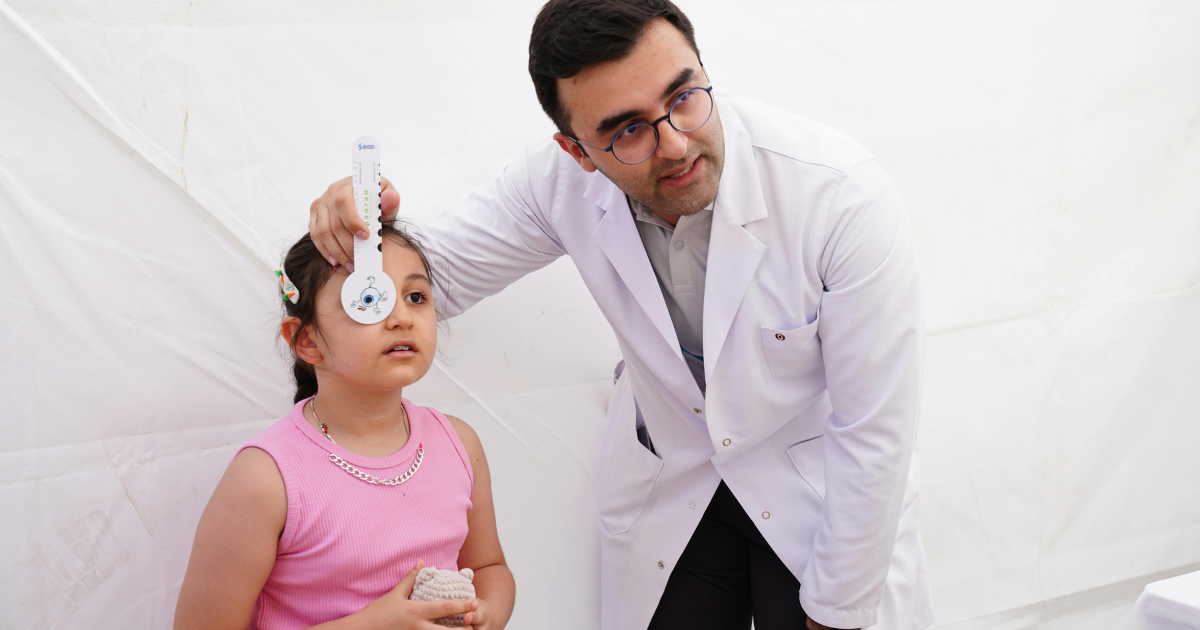
Parents should mention squinting, difficulty seeing classroom materials, holding objects unusually close, frequent headaches, or a sudden decline in school performance. Children do not always recognize that their vision differs from everyone else’s.
Innovation in pediatric care therefore includes better observation and communication, not only specialized lenses or treatment options. A plan works best when families understand its purpose, follow-up schedule, and realistic goals.
Eye care does not operate separately from general health. Diabetes, for example, can affect blood vessels in the retina before a person notices a change in sight.
The American Diabetes Association’s eye health guidance explains that comprehensive dilated examinations can look for diabetes-related complications that may initially have no symptoms.
Patients should provide an accurate medication list and share relevant diagnoses. When necessary, eye care professionals may coordinate with primary care physicians, endocrinologists, surgeons, or other providers.
Digital records can make this coordination more efficient, but a shared system is not a substitute for a clear conversation. Patients should know which findings require monitoring, which provider is responsible for follow-up, and when the next evaluation should occur.
Online forms, digital reminders, and electronic scheduling can reduce administrative friction. They become less helpful when urgent symptoms are treated like ordinary booking requests.
The Centers for Disease Control and Prevention explains why eye exams matter, including their role in detecting eye disorders and signs associated with other health concerns.
Sudden vision loss, severe eye pain, an eye injury, new double vision, or a rapid increase in flashes and floaters may require prompt professional attention. A dark curtain or shadow crossing the visual field should not wait for a routine visit.
When symptoms are sudden or severe, calling the practice and describing them clearly is often more appropriate than selecting the next available time through an automated calendar.
Luminary Eye Care serves patients in Marietta and East Cobb with comprehensive examinations, pediatric care, contact lens fittings, urgent evaluations, and care for concerns such as dry eye disease and glaucoma.
This range reflects an important development in community eye care. Patients can seek preventive services, vision correction, and evaluation of medical concerns within a setting that considers their history and daily needs.
The most useful visit is a two-way exchange. The practice supplies clinical knowledge and diagnostic resources, while the patient contributes symptoms, goals, medical information, and observations from everyday life.
The future of eye care is not defined by how many devices appear in an examination room. It is defined by whether technology helps clinicians detect meaningful changes, communicate risk, coordinate treatment, and guide patients toward appropriate action.
Detailed imaging, intelligent software, and streamlined systems can all contribute. Their value ultimately depends on sound clinical judgment and an informed patient who understands what happens next.
That combination transforms innovation from a collection of impressive tools into something practical: clearer decisions, earlier attention to potential problems, and eye care designed around the person rather than the process.